THE ADVENTURE COLLECTIVE® · Independent discovery and booking for outdoor travel

Taste Kanazawa’s seafood at Omicho Market, learn hand-pressed sushi from a master, wander Kenrokuen’s sculpted ponds and visit a samurai residence — all in a single, well-paced day. Read on for what to expect, local history, and practical tips to plan your visit.
Taste Kanazawa’s seafood at Omicho Market, learn hand-pressed sushi from a master, wander Kenrokuen’s sculpted ponds and visit a samurai residence — all in a single, well-paced day. Read on for what to expect, local history, and practical tips to plan your visit.
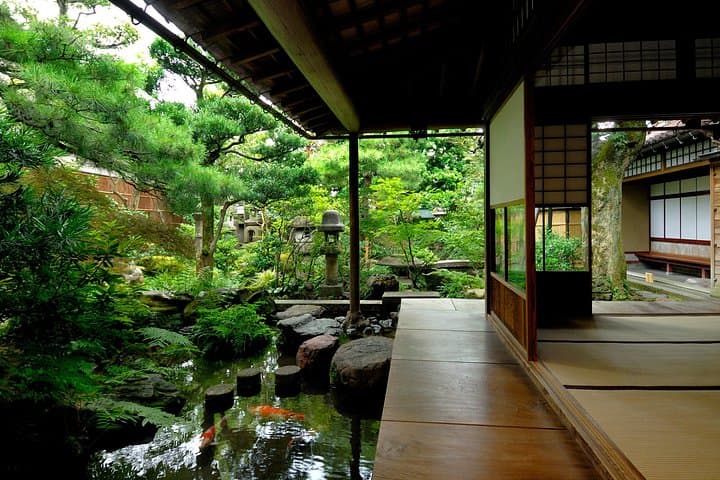
You step off the air-conditioned bus and into Omicho Market: sharp citrus, salt-slick fish and vendors calling out the morning’s catch. The city moves at a deliberate pace here — bright crates of seafood give way to a quiet tea room where a matcha whisk sings in a small bowl. Later you press rice with your hands under the watchful instruction of a veteran sushi chef, then cross stone streets to a low-slung samurai residence whose wooden beams keep the shadowed cool of another era.
Verified experiences and guided adventures in the surrounding area.
Operated by JTB Global Marketing & Travel Inc. · Kanazawa, Ishikawa
You step off the air-conditioned bus and into Omicho Market: sharp citrus, salt-slick fish and vendors calling out the morning’s catch. The city moves at a deliberate pace here — bright crates of seafood give way to a quiet tea room where a matcha whisk sings in a small bowl. Later you press rice with your hands under the watchful instruction of a veteran sushi chef, then cross stone streets to a low-slung samurai residence whose wooden beams keep the shadowed cool of another era.
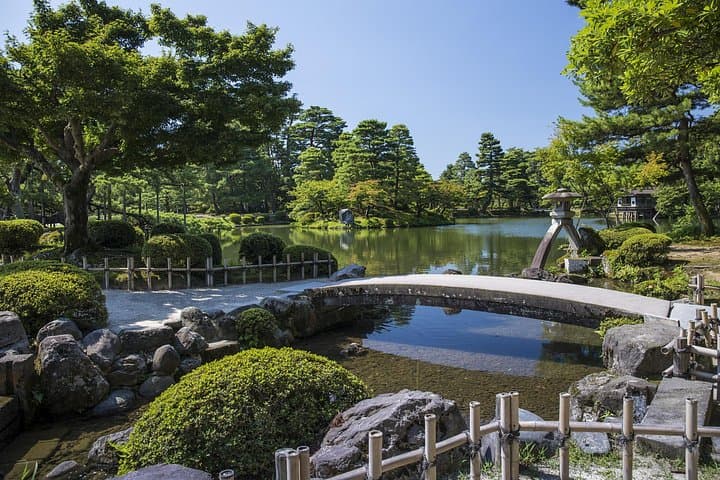
Kanazawa was the seat of the Kaga Domain and the Maeda clan, and that history shapes everything you see. Kenrokuen Garden — ranked among Japan’s top three landscape gardens — arranges water, rock and pavilion to read like a sequence of scenes through the seasons. Nearby, Ohiyu museum explains Ohi ware pottery, more than 350 years old, while Higashi Chaya’s latticed facades preserve the textures of Edo-period teahouses. The Sea of Japan’s influence arrives on your plate: local seafood drives the sushi lesson and the market’s rhythm.
Practical guidance: this is an 8-hour shared tour with transit between stops included. Expect mostly flat, paved and stone pathways with short stair sections at historic houses; comfortable walking shoes and a little stamina for standing during demonstrations help. Photos are welcome at most sites but follow signage in tea rooms and private residences. If you have dietary restrictions, note them when you book — allergy-friendly meals are not guaranteed. Bring cash for small market purchases, and plan for variable weather: Kenrokuen is most striking in spring bloom and autumn color, but the tour runs year-round.
The tour runs about 8 hours with included transfers; expect light walking on paved and stone paths with short stair sections at historic houses.
Children may join; infants must sit on laps and participants under 15 must be accompanied by a parent or guardian per booking rules.
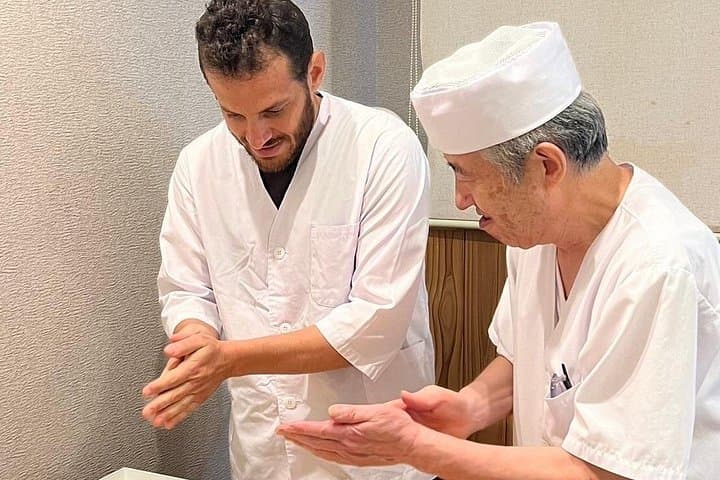
Under chef guidance you’ll make two pieces of hand-pressed sushi and one sushi roll; ingredients may vary by availability.
Allergy-friendly meals are not available as standard; you can note requests but they may not be accommodated, so plan accordingly.
JTB Global Marketing & Travel Inc. operates guided outdoor trips and adventures with an emphasis on safety, stewardship, and memorable experiences.
You step off the air-conditioned bus and into Omicho Market: sharp citrus, salt-slick fish and vendors calling out the morning’s catch. The city moves at a deliberate pace here — bright crates of seafood give way to a quiet tea room where a matcha whisk sings in a small bowl. Later you press rice with your hands under the watchful instruction of a veteran sushi chef, then cross stone streets to a low-slung samurai residence whose wooden beams keep the shadowed cool of another era.
You step off the air-conditioned bus and into Omicho Market: sharp citrus, salt-slick fish and vendors calling out the morning’s catch. The city moves at a deliberate pace here — bright crates of seafood give way to a quiet tea room where a matcha whisk sings in a small bowl. Later you press rice with your hands under the watchful instruction of a veteran sushi chef, then cross stone streets to a low-slung samurai residence whose wooden beams keep the shadowed cool of another era.
Kanazawa was the seat of the Kaga Domain and the Maeda clan, and that history shapes everything you see. Kenrokuen Garden — ranked among Japan’s top three landscape gardens — arranges water, rock and pavilion to read like a sequence of scenes through the seasons. Nearby, Ohiyu museum explains Ohi ware pottery, more than 350 years old, while Higashi Chaya’s latticed facades preserve the textures of Edo-period teahouses. The Sea of Japan’s influence arrives on your plate: local seafood drives the sushi lesson and the market’s rhythm.
Practical guidance: this is an 8-hour shared tour with transit between stops included. Expect mostly flat, paved and stone pathways with short stair sections at historic houses; comfortable walking shoes and a little stamina for standing during demonstrations help. Photos are welcome at most sites but follow signage in tea rooms and private residences. If you have dietary restrictions, note them when you book — allergy-friendly meals are not guaranteed. Bring cash for small market purchases, and plan for variable weather: Kenrokuen is most striking in spring bloom and autumn color, but the tour runs year-round.