THE ADVENTURE COLLECTIVE® · Independent discovery and booking for outdoor travel

Cover Kanazawa’s signature sights in about four hours on an electric bike: Kenrokuen’s gardens, the Higashi Chaya geisha quarter, Kanazawa Castle, and samurai-era Nagamachi — all with a local guide and a matcha break. This relaxed tour balances cultural depth with easy mileage.
Cover Kanazawa’s signature sights in about four hours on an electric bike: Kenrokuen’s gardens, the Higashi Chaya geisha quarter, Kanazawa Castle, and samurai-era Nagamachi — all with a local guide and a matcha break. This relaxed tour balances cultural depth with easy mileage.
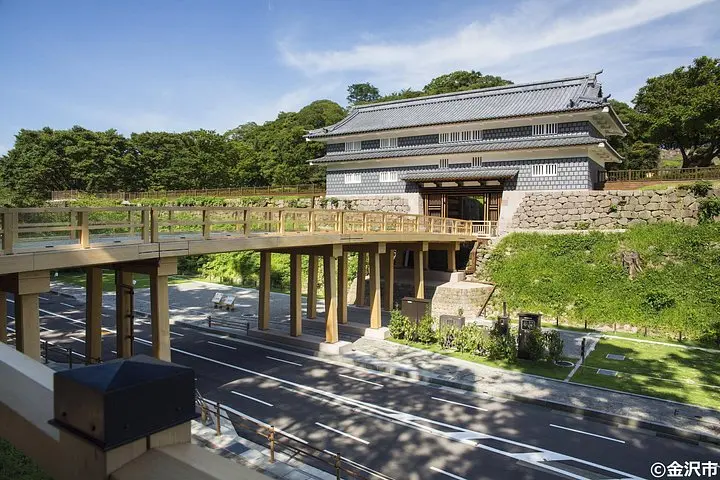
You push off from Kanazawa Station beneath the wood-and-glass sweep of the Tsuzumi Gate and the city unfolds at an easy cadence — stone streets, wooden lattices, and a breeze that threads through garden pines. The electric bike tucks distance under your wheels, letting the guide pause at doorways and explain stories you’d miss on foot.
Verified experiences and guided adventures in the surrounding area.
Operated by Beyond Kanazawa · Kanazawa, Ishikawa
You push off from Kanazawa Station beneath the wood-and-glass sweep of the Tsuzumi Gate and the city unfolds at an easy cadence — stone streets, wooden lattices, and a breeze that threads through garden pines. The electric bike tucks distance under your wheels, letting the guide pause at doorways and explain stories you’d miss on foot.
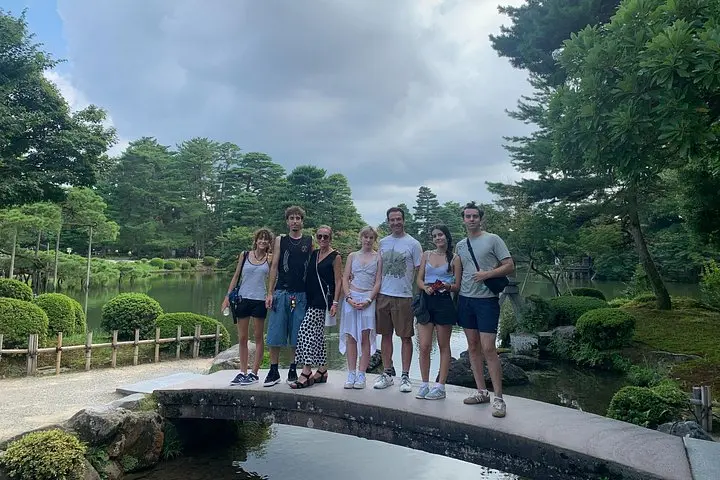
This ride moves through layers of Edo- and feudal-era Kanazawa: Higashi Chaya’s narrow alleys where geisha arts were refined; Kenrokuen, one of Japan’s Three Great Gardens, shaped over centuries of daimyo patronage to balance space, water, and view; the white walls and turrets of Kanazawa Castle that mapped regional power; and Nagamachi’s earthen lanes that still hold samurai residences. Gyokusen’inmaru Garden provides a quieter, restored counterpoint to the grander Kenrokuen — a reminder that gardens were both political theatre and private retreat.
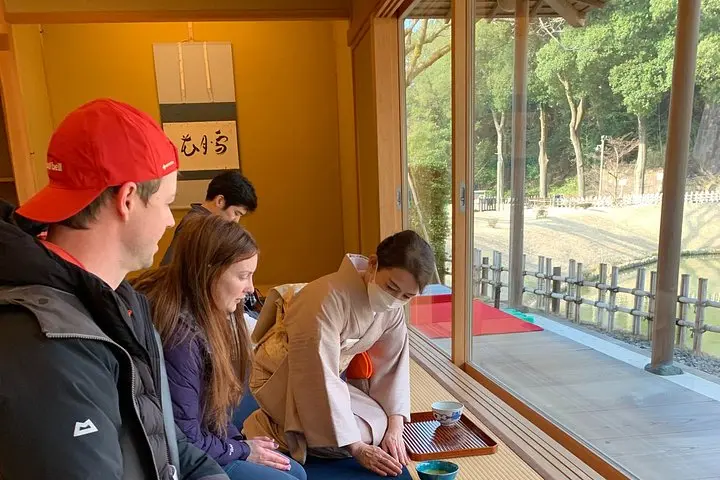
Expect smooth pavement, short pedestrian zones, and brief stair-adjacent sections where you’ll walk the bike. The guide layers context — architecture, tea ceremony, and how the Maeda clan shaped local craft traditions — while you sample matcha and wagashi at a stop. Practical notes: tours run about four hours, proceed in light urban traffic, and are weather-dependent; rain or snow can cancel for safety.
Bring a camera, comfortable shoes for short walks, and dress in light layers — weather shifts quickly near the Sea of Japan. The e-bike handles rolling streets and modest hills, making this half-day a compact, efficient way to see Kanazawa’s cultural highlights with local interpretation and low exertion.
The tour is approximately four hours and covers several kilometres across the central city — distance is moderate and paced with frequent stops.
No advanced skills are needed; e-bikes provide pedal assist and guides route through low-traffic streets, but basic balance and bike handling are expected.
Yes, entrance to Kenrokuen and Gyokusen’inmaru Garden is typically included in the tour price as listed by operators.
Tours can be canceled for rain, snow, strong winds, or unsafe road conditions; operators usually offer a full refund if canceled 24 hours in advance per policy.
Beyond Kanazawa operates guided outdoor trips and adventures with an emphasis on safety, stewardship, and memorable experiences.

You push off from Kanazawa Station beneath the wood-and-glass sweep of the Tsuzumi Gate and the city unfolds at an easy cadence — stone streets, wooden lattices, and a breeze that threads through garden pines. The electric bike tucks distance under your wheels, letting the guide pause at doorways and explain stories you’d miss on foot.
You push off from Kanazawa Station beneath the wood-and-glass sweep of the Tsuzumi Gate and the city unfolds at an easy cadence — stone streets, wooden lattices, and a breeze that threads through garden pines. The electric bike tucks distance under your wheels, letting the guide pause at doorways and explain stories you’d miss on foot.
This ride moves through layers of Edo- and feudal-era Kanazawa: Higashi Chaya’s narrow alleys where geisha arts were refined; Kenrokuen, one of Japan’s Three Great Gardens, shaped over centuries of daimyo patronage to balance space, water, and view; the white walls and turrets of Kanazawa Castle that mapped regional power; and Nagamachi’s earthen lanes that still hold samurai residences. Gyokusen’inmaru Garden provides a quieter, restored counterpoint to the grander Kenrokuen — a reminder that gardens were both political theatre and private retreat.
Expect smooth pavement, short pedestrian zones, and brief stair-adjacent sections where you’ll walk the bike. The guide layers context — architecture, tea ceremony, and how the Maeda clan shaped local craft traditions — while you sample matcha and wagashi at a stop. Practical notes: tours run about four hours, proceed in light urban traffic, and are weather-dependent; rain or snow can cancel for safety.
Bring a camera, comfortable shoes for short walks, and dress in light layers — weather shifts quickly near the Sea of Japan. The e-bike handles rolling streets and modest hills, making this half-day a compact, efficient way to see Kanazawa’s cultural highlights with local interpretation and low exertion.