THE ADVENTURE COLLECTIVE® · Independent discovery and booking for outdoor travel

Step into Kanazawa’s historic streets wearing a kimono from WARGO—an accessible, family-friendly rental that turns a walk through tea houses and canals into a cultural portrait. Learn what’s included, how to time your visit, and practical tips for getting the most out of this one- to six-hour experience.
Step into Kanazawa’s historic streets wearing a kimono from WARGO—an accessible, family-friendly rental that turns a walk through tea houses and canals into a cultural portrait. Learn what’s included, how to time your visit, and practical tips for getting the most out of this one- to six-hour experience.
A narrow side street off Kanazawa’s tea districts folds into a frame of silk and obi as a family steps out of a WARGO shop. The soft slap of zori on stone and the light tug of a tied obi set the pace—slow, deliberate, camera-ready. In a city where Edo-era samurai lanes meet irrigated rice plains, wearing a kimono turns a walk into a small performance: sleeves brush against wooden lattice, and river currents dare you to pause for a photo.
Verified experiences and guided adventures in the surrounding area.
Operated by Kimono Rental Wargo · Kanazawa, Ishikawa
A narrow side street off Kanazawa’s tea districts folds into a frame of silk and obi as a family steps out of a WARGO shop. The soft slap of zori on stone and the light tug of a tied obi set the pace—slow, deliberate, camera-ready. In a city where Edo-era samurai lanes meet irrigated rice plains, wearing a kimono turns a walk into a small performance: sleeves brush against wooden lattice, and river currents dare you to pause for a photo.
Kanazawa’s layout reflects its history as a wealthy feudal domain—tea houses, samurai compounds, and Kenrokuen Garden’s engineered vistas. Geologically, the city sits on an alluvial plain fed by nearby rivers, so waterways and canal-side promenades are part of the experience. WARGO’s rental model makes this cultural accessibly quick: fittings often take under an hour, and packages include kimono or yukata, obi, bag, tabi, and zori; deluxe options add hairstyling.
Practically, pick a fitting time to avoid midday crowds, bring a small crossbody to keep hands free, and plan routes with short walking distances—Higashi Chaya and the samurai quarter are close by. Expect staff assistance with dressing; sizes include plus-size options but pregnant travelers are advised against the activity. Return policies typically require you to return by late afternoon unless you choose a next-day option. Bring modest mobility—standing and walking on stone streets are the norm—and a charged camera: the city’s compact alleyways transform into memorable backdrops the moment you step outside.
Dressing usually takes under an hour for most plans; deluxe packages with hairstyling may add extra time.
Yes—WARGO offers family-friendly sizes and plus-size options; inform staff of special requirements when booking.
Not recommended for pregnant travelers due to tight wrappings and restricted movement during dressing.
Most stores require same-day return by late afternoon unless you select a next-day return option where available—confirm at booking.
Kimono Rental Wargo operates guided outdoor trips and adventures with an emphasis on safety, stewardship, and memorable experiences.

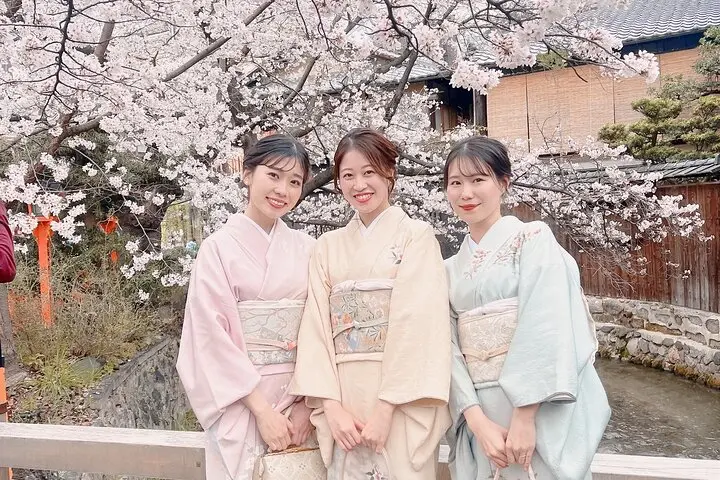

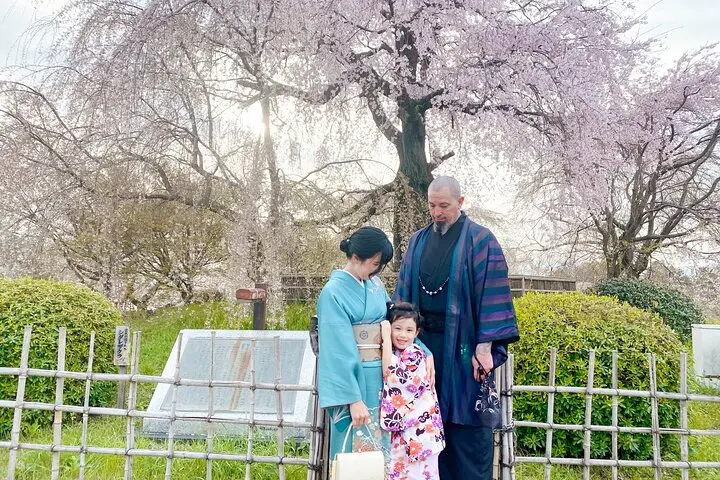
A narrow side street off Kanazawa’s tea districts folds into a frame of silk and obi as a family steps out of a WARGO shop. The soft slap of zori on stone and the light tug of a tied obi set the pace—slow, deliberate, camera-ready. In a city where Edo-era samurai lanes meet irrigated rice plains, wearing a kimono turns a walk into a small performance: sleeves brush against wooden lattice, and river currents dare you to pause for a photo.
A narrow side street off Kanazawa’s tea districts folds into a frame of silk and obi as a family steps out of a WARGO shop. The soft slap of zori on stone and the light tug of a tied obi set the pace—slow, deliberate, camera-ready. In a city where Edo-era samurai lanes meet irrigated rice plains, wearing a kimono turns a walk into a small performance: sleeves brush against wooden lattice, and river currents dare you to pause for a photo.
Kanazawa’s layout reflects its history as a wealthy feudal domain—tea houses, samurai compounds, and Kenrokuen Garden’s engineered vistas. Geologically, the city sits on an alluvial plain fed by nearby rivers, so waterways and canal-side promenades are part of the experience. WARGO’s rental model makes this cultural accessibly quick: fittings often take under an hour, and packages include kimono or yukata, obi, bag, tabi, and zori; deluxe options add hairstyling.
Practically, pick a fitting time to avoid midday crowds, bring a small crossbody to keep hands free, and plan routes with short walking distances—Higashi Chaya and the samurai quarter are close by. Expect staff assistance with dressing; sizes include plus-size options but pregnant travelers are advised against the activity. Return policies typically require you to return by late afternoon unless you choose a next-day option. Bring modest mobility—standing and walking on stone streets are the norm—and a charged camera: the city’s compact alleyways transform into memorable backdrops the moment you step outside.