THE ADVENTURE COLLECTIVE® · Independent discovery and booking for outdoor travel

Start the day along the Asano River with a calm, local-led walk through Higashi Chaya, a stop at a tucked-away miso soup shop, and a take-out coffee to-go. This short, photo-friendly tour highlights Kanazawa’s living Edo-era streets and neighborhood flavors.
Start the day along the Asano River with a calm, local-led walk through Higashi Chaya, a stop at a tucked-away miso soup shop, and a take-out coffee to-go. This short, photo-friendly tour highlights Kanazawa’s living Edo-era streets and neighborhood flavors.
Dawn pushes a cool light over the Asano River and the city exhales. You meet at the small police box by the riverbank, then fall into an easy rhythm: the water nudges the embankment, paper lanterns still dim, and shop shutters lift one by one. The short walk threads the quiet streets of Higashi Chaya—geisha houses and wooden facades—before pausing at a neighborhood miso-soup stand that opens only for locals. A warm bowl settles the morning and the tour ends with a take-out coffee from a nearby roaster.
Verified experiences and guided adventures in the surrounding area.
Operated by Amazing Tour Japan · Kanazawa, Ishikawa
Dawn pushes a cool light over the Asano River and the city exhales. You meet at the small police box by the riverbank, then fall into an easy rhythm: the water nudges the embankment, paper lanterns still dim, and shop shutters lift one by one. The short walk threads the quiet streets of Higashi Chaya—geisha houses and wooden facades—before pausing at a neighborhood miso-soup stand that opens only for locals. A warm bowl settles the morning and the tour ends with a take-out coffee from a nearby roaster.
Kanazawa’s urban character was shaped by the Kaga Domain during the Edo period; the preserved chaya districts are living pieces of that history. Geologically, the city sits on coastal plains fed by mountain streams, which is why the Asano and Sai rivers were long arteries for commerce and rice farming. Culturally, Kanazawa is known for gold-leaf craft, kaiseki dining, and a restrained urban calm that shows best in the early hours.
Expect narrow, paved lanes, low-rise wooden architecture, and flat terrain—this is an easy, photographic stroll rather than a hike. Practical notes: wear comfortable shoes, bring a light layer against river breezes, and carry small change for the miso shop and coffee. The guide takes photos for you, so travel light and be ready to pause for natural, candid shots. Morning light is best in spring and autumn; aim to start within 60 minutes of sunrise for the quietest streets and most flattering light.
Meet in front of the small police box by the Asano River; the guide will be waiting there at the scheduled time.
The miso soup stop follows a traditional recipe and may contain dashi (fish stock); notify the guide in advance for alternatives or dietary needs.
The route is mostly flat and stroller-accessible, but some narrow lanes may be uneven; contact the operator to confirm specific accessibility needs.
Tours are typically conducted in the advertised guide language—confirm the language at booking; many local guides offer English explanations and photo assistance.
Amazing Tour Japan operates guided outdoor trips and adventures with an emphasis on safety, stewardship, and memorable experiences.
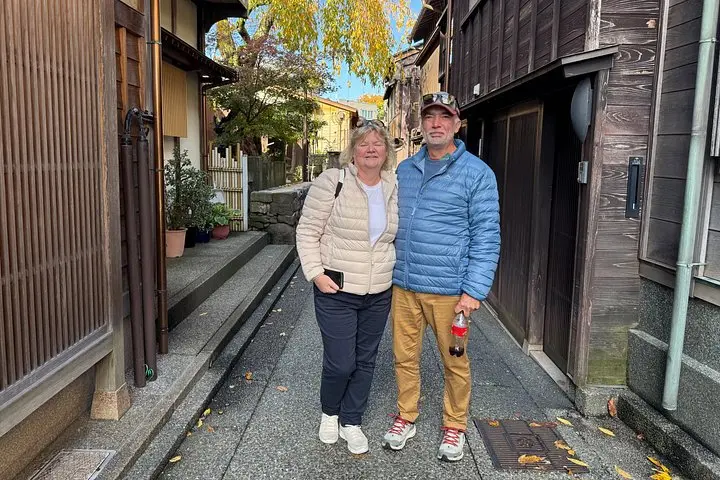
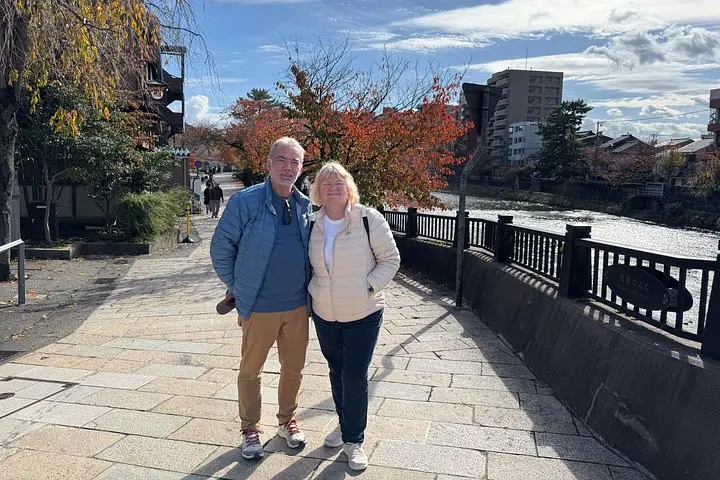
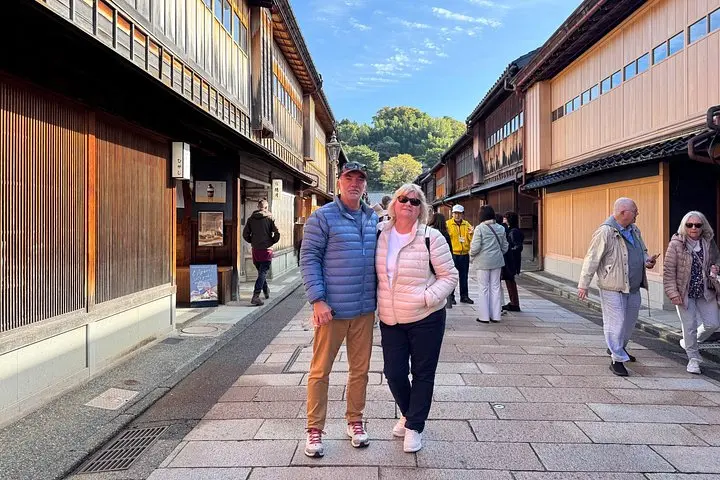
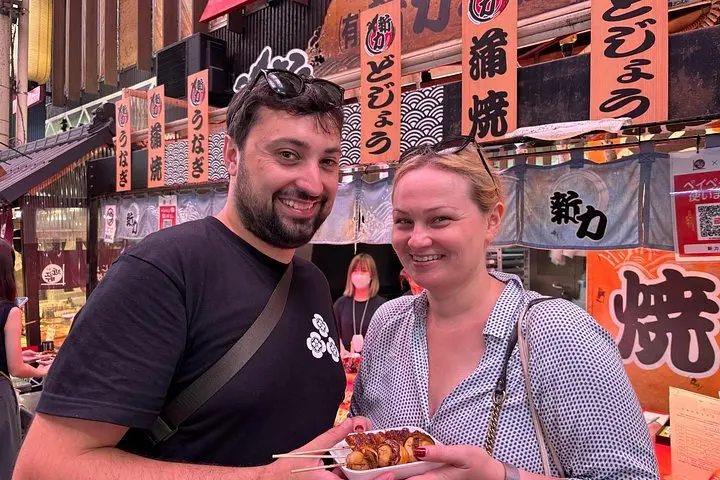
Dawn pushes a cool light over the Asano River and the city exhales. You meet at the small police box by the riverbank, then fall into an easy rhythm: the water nudges the embankment, paper lanterns still dim, and shop shutters lift one by one. The short walk threads the quiet streets of Higashi Chaya—geisha houses and wooden facades—before pausing at a neighborhood miso-soup stand that opens only for locals. A warm bowl settles the morning and the tour ends with a take-out coffee from a nearby roaster.
Dawn pushes a cool light over the Asano River and the city exhales. You meet at the small police box by the riverbank, then fall into an easy rhythm: the water nudges the embankment, paper lanterns still dim, and shop shutters lift one by one. The short walk threads the quiet streets of Higashi Chaya—geisha houses and wooden facades—before pausing at a neighborhood miso-soup stand that opens only for locals. A warm bowl settles the morning and the tour ends with a take-out coffee from a nearby roaster.
Kanazawa’s urban character was shaped by the Kaga Domain during the Edo period; the preserved chaya districts are living pieces of that history. Geologically, the city sits on coastal plains fed by mountain streams, which is why the Asano and Sai rivers were long arteries for commerce and rice farming. Culturally, Kanazawa is known for gold-leaf craft, kaiseki dining, and a restrained urban calm that shows best in the early hours.
Expect narrow, paved lanes, low-rise wooden architecture, and flat terrain—this is an easy, photographic stroll rather than a hike. Practical notes: wear comfortable shoes, bring a light layer against river breezes, and carry small change for the miso shop and coffee. The guide takes photos for you, so travel light and be ready to pause for natural, candid shots. Morning light is best in spring and autumn; aim to start within 60 minutes of sunrise for the quietest streets and most flattering light.