THE ADVENTURE COLLECTIVE® · Independent discovery and booking for outdoor travel

Cover 8–12 km of Kanazawa’s historic core by electric bike, visiting Kanazawa Castle, Nagamachi samurai streets, and Myoryuji (the Ninja Temple) with a local guide. Expect flat terrain, short cobbled sections, and insights into Edo-period defenses.
Cover 8–12 km of Kanazawa’s historic core by electric bike, visiting Kanazawa Castle, Nagamachi samurai streets, and Myoryuji (the Ninja Temple) with a local guide. Expect flat terrain, short cobbled sections, and insights into Edo-period defenses.
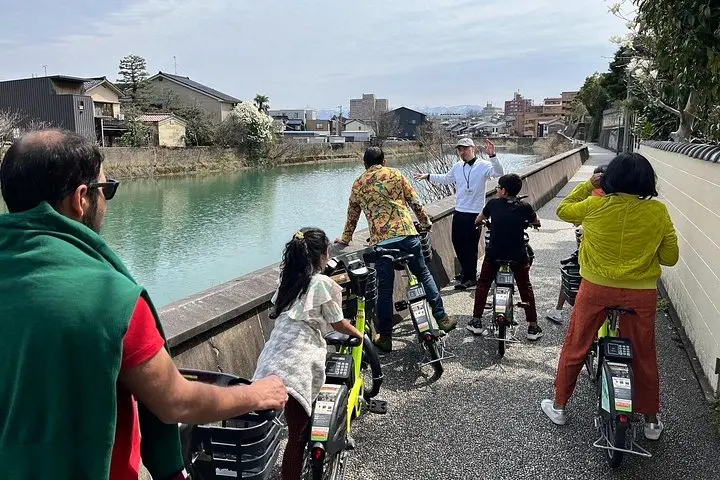
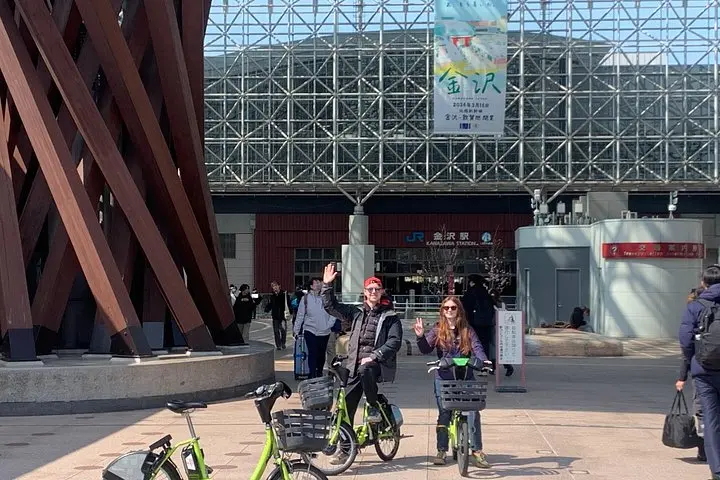
You roll away from Kanazawa Station under the modern timber arches of the Tsuzumi Gate, the city’s contemporary welcome fading behind you as narrow lanes and earthen walls take over. The electric assist hums underfoot — enough power to carry you across castle grounds and cobbled samurai alleys without turning the ride into a workout, but not so much that the pace loses its intimacy.
Verified experiences and guided adventures in the surrounding area.
Operated by Beyond Kanazawa · Kanazawa, Ishikawa
You roll away from Kanazawa Station under the modern timber arches of the Tsuzumi Gate, the city’s contemporary welcome fading behind you as narrow lanes and earthen walls take over. The electric assist hums underfoot — enough power to carry you across castle grounds and cobbled samurai alleys without turning the ride into a workout, but not so much that the pace loses its intimacy.
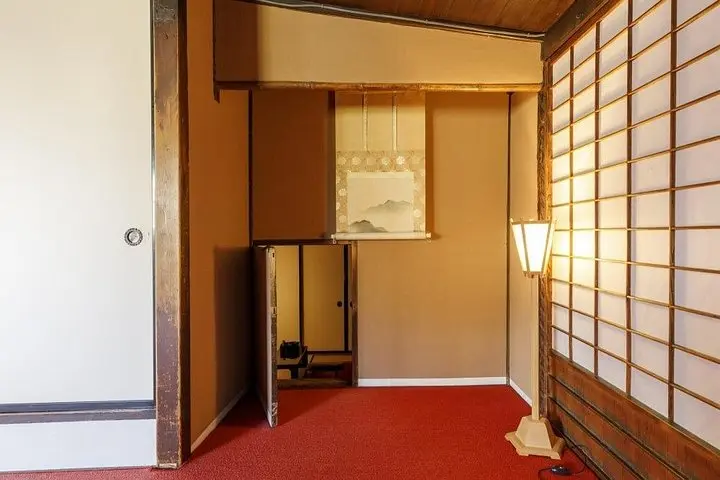
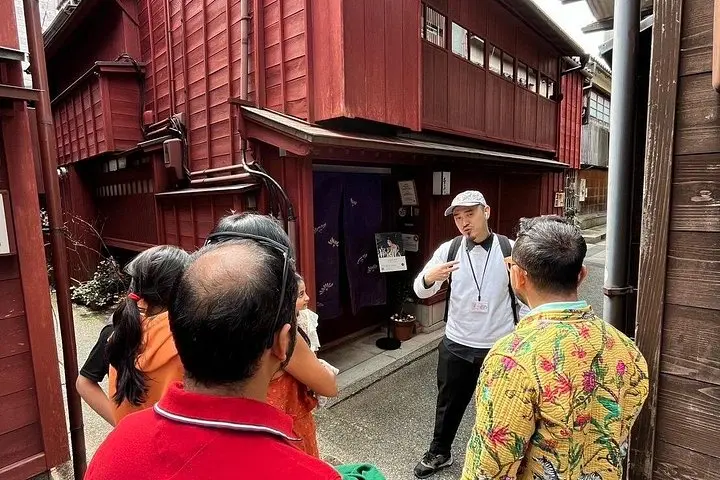
This half-day loop threads history and urban geology. Kanazawa’s flat alluvial plain means almost no climbing (expect under 50 m of cumulative elevation), while stone pavements and compacted town streets define the terrain. Stops include Kanazawa Castle’s gardens and watchable stonework, the Nagamachi samurai district with preserved earthen houses, and Myoryuji — widely called the Ninja Temple — whose trapdoors, hidden rooms and narrow corridors reveal Edo-era defensive craft and local clan politics.
Cultural context matters: the guide situates features within 17th–19th century samurai life and Kenrokuen garden design, and provides multilingual booklets for close reading. The e-bike extends your range to roughly 8–12 km of urban exploration in 3–4 hours, making it ideal for travelers who want curated discovery without long walks.
Practical notes: bring reading glasses for the temple booklet, carry a water bottle, and wear closed-toe shoes for cobbles. Tours can be canceled for heavy rain or strong winds; there’s a 145 cm minimum height and a 9+ age limit. Return the bike by the designated port if you plan to keep exploring independently afterward.
Most operators provide helmets; you can bring your own if you prefer. Always wear one on the tour.
Expect roughly 8–12 km of urban riding with under about 50 meters of cumulative elevation—mostly flat with short, slow sections on cobbles.
Yes — the guided visit to Myoryuji (Ninja Temple) and the entrance ticket are included in the tour price.
Tours may be canceled for heavy rain, snow, or unsafe road conditions; you'll be notified and eligible for a full refund if canceled at least 24 hours prior.
Beyond Kanazawa operates guided outdoor trips and adventures with an emphasis on safety, stewardship, and memorable experiences.
You roll away from Kanazawa Station under the modern timber arches of the Tsuzumi Gate, the city’s contemporary welcome fading behind you as narrow lanes and earthen walls take over. The electric assist hums underfoot — enough power to carry you across castle grounds and cobbled samurai alleys without turning the ride into a workout, but not so much that the pace loses its intimacy.
You roll away from Kanazawa Station under the modern timber arches of the Tsuzumi Gate, the city’s contemporary welcome fading behind you as narrow lanes and earthen walls take over. The electric assist hums underfoot — enough power to carry you across castle grounds and cobbled samurai alleys without turning the ride into a workout, but not so much that the pace loses its intimacy.
This half-day loop threads history and urban geology. Kanazawa’s flat alluvial plain means almost no climbing (expect under 50 m of cumulative elevation), while stone pavements and compacted town streets define the terrain. Stops include Kanazawa Castle’s gardens and watchable stonework, the Nagamachi samurai district with preserved earthen houses, and Myoryuji — widely called the Ninja Temple — whose trapdoors, hidden rooms and narrow corridors reveal Edo-era defensive craft and local clan politics.
Cultural context matters: the guide situates features within 17th–19th century samurai life and Kenrokuen garden design, and provides multilingual booklets for close reading. The e-bike extends your range to roughly 8–12 km of urban exploration in 3–4 hours, making it ideal for travelers who want curated discovery without long walks.
Practical notes: bring reading glasses for the temple booklet, carry a water bottle, and wear closed-toe shoes for cobbles. Tours can be canceled for heavy rain or strong winds; there’s a 145 cm minimum height and a 9+ age limit. Return the bike by the designated port if you plan to keep exploring independently afterward.