THE ADVENTURE COLLECTIVE® · Independent discovery and booking for outdoor travel

Explore three medieval temples outside Kandy—Gadaladeniya, Lankatilaka and Embekke—on a private, half-day drive that pairs remarkable stone and wood carving with practical local insights. Plan for uneven steps, modest dress, and a 5–7 hour outing.
Explore three medieval temples outside Kandy—Gadaladeniya, Lankatilaka and Embekke—on a private, half-day drive that pairs remarkable stone and wood carving with practical local insights. Plan for uneven steps, modest dress, and a 5–7 hour outing.
You step out of the vehicle into a highland air that smells of damp earth and teak smoke; a short drive from Kandy, rock-cut steps and ancient courtyards open onto carved façades and chiseled pillars. The day moves at a steady, deliberate pace—each temple a different chapter: Gadaladeniya’s stone-built shrine perched on a rock, Lankatilaka’s 14th-century sanctuary with a Gampola-era silhouette, and Embekke’s astonishing wooden pillars where the grain reads like a map of past hands.
Verified experiences and guided adventures in the surrounding area.
Operated by Serendream Vacation · Kandy, Central Province
You step out of the vehicle into a highland air that smells of damp earth and teak smoke; a short drive from Kandy, rock-cut steps and ancient courtyards open onto carved façades and chiseled pillars. The day moves at a steady, deliberate pace—each temple a different chapter: Gadaladeniya’s stone-built shrine perched on a rock, Lankatilaka’s 14th-century sanctuary with a Gampola-era silhouette, and Embekke’s astonishing wooden pillars where the grain reads like a map of past hands.
These sites are living pages of Sri Lanka’s medieval era. Lankatilaka and Gadaladeniya date to the 1340s under King Buwanekabahu IV, blending local and South Indian architectural ideas; Embekke is UNESCO-noted for its exceptional wood carving, a craft tied to village guilds and temple patronage. Geologically, the temples sit on the Central Highlands’ ancient metamorphic rock, where compacted formations push up around the Mahaweli River valley.
Culturally, the temples serve both Buddhist ritual and local Hindu devotion—expect offerings, incense, and the quiet rhythm of daily worship. The itinerary often includes a brief stop at Peradeniya Royal Botanic Gardens for a contrast of tropical plantings and orchids.
Practical guidance: allow 5–7 hours, wear sturdy closed shoes for uneven stone and steps, and dress modestly (shoulders and knees covered). Admission and any guide fees are typically not included; carry cash for entrance, small donations, and tips. Bring water, sunscreen, and a light rain layer—weather can shift quickly in the hills. Photography is allowed in many areas but avoid photographing worshippers during rituals and follow signs inside shrines.
Entrance fees are typically not included—bring Sri Lankan rupees for temple admissions and any local fees.
Expect about 5–7 hours from pick-up to drop-off depending on traffic and time spent at each temple.
Yes if they can manage stairs and short walks; travelers with mobility limits should notify the operator in advance so pick-up/drop-off points can be planned.
Photography is generally permitted in courtyards but often restricted inside inner sanctums or during rituals—observe signs and local requests.
Serendream Vacation operates guided outdoor trips and adventures with an emphasis on safety, stewardship, and memorable experiences.
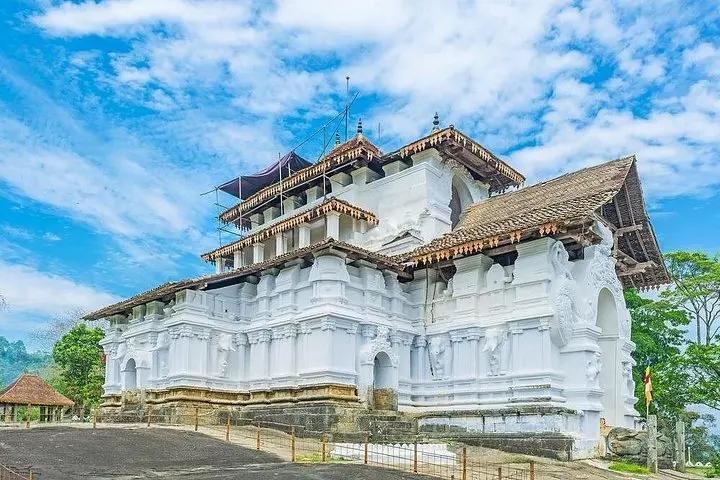
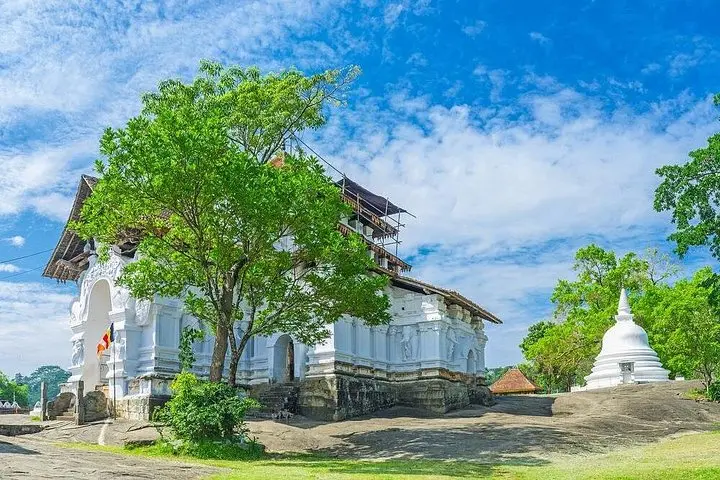
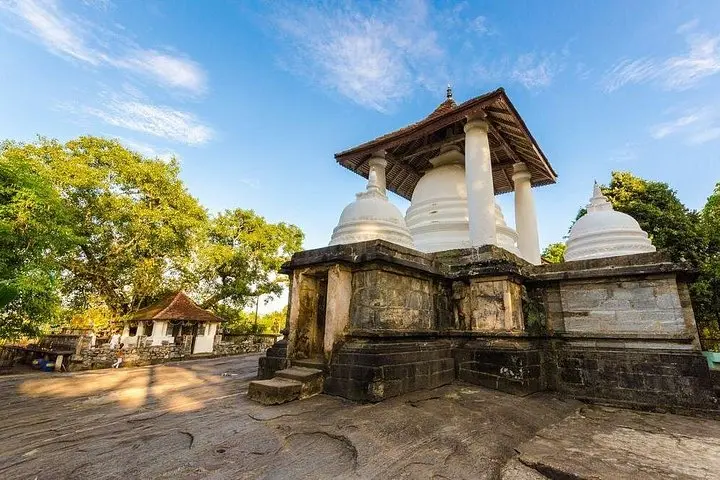
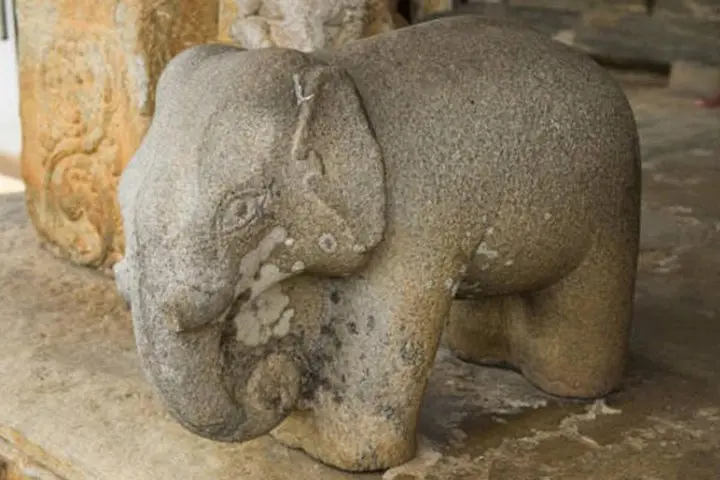
You step out of the vehicle into a highland air that smells of damp earth and teak smoke; a short drive from Kandy, rock-cut steps and ancient courtyards open onto carved façades and chiseled pillars. The day moves at a steady, deliberate pace—each temple a different chapter: Gadaladeniya’s stone-built shrine perched on a rock, Lankatilaka’s 14th-century sanctuary with a Gampola-era silhouette, and Embekke’s astonishing wooden pillars where the grain reads like a map of past hands.
You step out of the vehicle into a highland air that smells of damp earth and teak smoke; a short drive from Kandy, rock-cut steps and ancient courtyards open onto carved façades and chiseled pillars. The day moves at a steady, deliberate pace—each temple a different chapter: Gadaladeniya’s stone-built shrine perched on a rock, Lankatilaka’s 14th-century sanctuary with a Gampola-era silhouette, and Embekke’s astonishing wooden pillars where the grain reads like a map of past hands.
These sites are living pages of Sri Lanka’s medieval era. Lankatilaka and Gadaladeniya date to the 1340s under King Buwanekabahu IV, blending local and South Indian architectural ideas; Embekke is UNESCO-noted for its exceptional wood carving, a craft tied to village guilds and temple patronage. Geologically, the temples sit on the Central Highlands’ ancient metamorphic rock, where compacted formations push up around the Mahaweli River valley.
Culturally, the temples serve both Buddhist ritual and local Hindu devotion—expect offerings, incense, and the quiet rhythm of daily worship. The itinerary often includes a brief stop at Peradeniya Royal Botanic Gardens for a contrast of tropical plantings and orchids.
Practical guidance: allow 5–7 hours, wear sturdy closed shoes for uneven stone and steps, and dress modestly (shoulders and knees covered). Admission and any guide fees are typically not included; carry cash for entrance, small donations, and tips. Bring water, sunscreen, and a light rain layer—weather can shift quickly in the hills. Photography is allowed in many areas but avoid photographing worshippers during rituals and follow signs inside shrines.