THE ADVENTURE COLLECTIVE® · Independent discovery and booking for outdoor travel

From the vertigo of Sigiriya’s summit to the slow, trumpet calls of elephants at Minneriya, this private day tour from Kandy bundles Sri Lanka’s rock-cut history, hill-country culture and big-game drama into one efficient route. Here’s what to expect, when to go, and how to prepare for a long, rewarding day.
From the vertigo of Sigiriya’s summit to the slow, trumpet calls of elephants at Minneriya, this private day tour from Kandy bundles Sri Lanka’s rock-cut history, hill-country culture and big-game drama into one efficient route. Here’s what to expect, when to go, and how to prepare for a long, rewarding day.
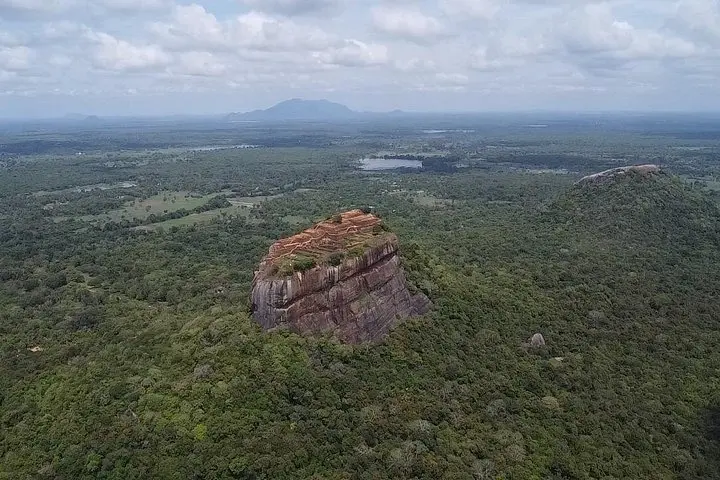
The van cuts through early-morning mist as paddy fields slide by, and the first view of Sigiriya’s flat-topped monolith rises like a deliberate interruption in the lowland plain. You step onto sun-warmed stone, the air heavy with wood smoke and spice, and the climb begins — metal staircases, iron balustrades and ancient frescoes bracketing a route that’s been used for centuries. By the time you reach the plateau the countryside unfurls: a patchwork of tanks, temples and villages where life still moves to ritual and harvest.
Verified experiences and guided adventures in the surrounding area.
Operated by SURO Tours LK · Sigiriya, Central Province
The van cuts through early-morning mist as paddy fields slide by, and the first view of Sigiriya’s flat-topped monolith rises like a deliberate interruption in the lowland plain. You step onto sun-warmed stone, the air heavy with wood smoke and spice, and the climb begins — metal staircases, iron balustrades and ancient frescoes bracketing a route that’s been used for centuries. By the time you reach the plateau the countryside unfurls: a patchwork of tanks, temples and villages where life still moves to ritual and harvest.
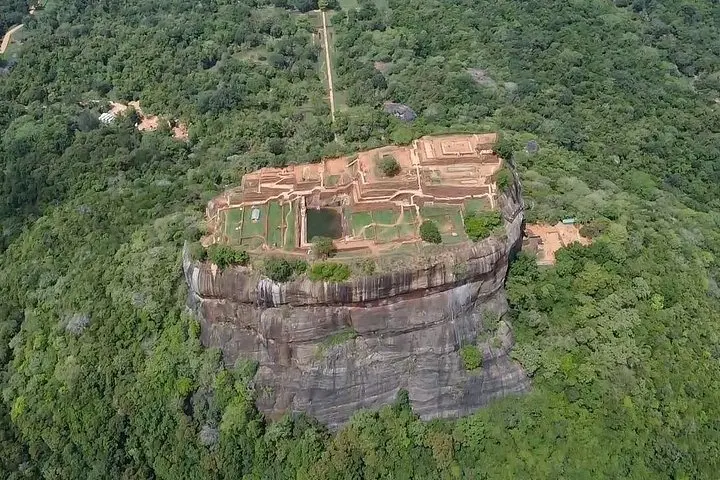
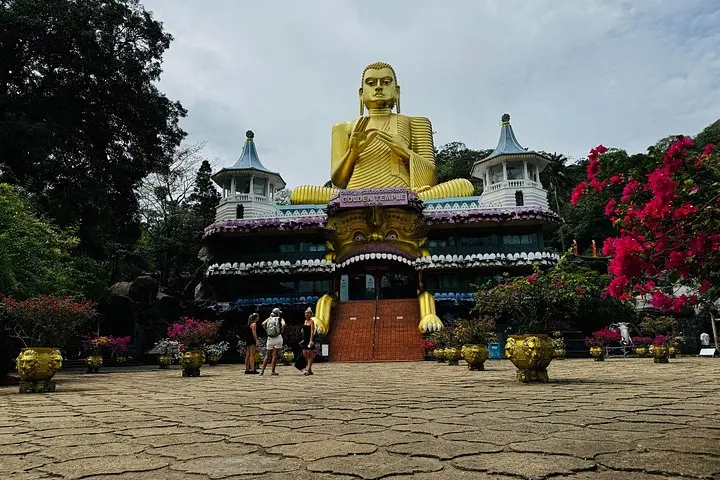
Sigiriya — the so-called Lion Rock — is a 5th-century palace-fortress commissioned by King Kassapa. Its sheer sides are volcanic breccia and granite, worn into bands that reveal seismic histories long before human hands carved terraces and water gardens into the plain below. A short drive away Dambulla’s cave temples hold a different human story: Buddha images, gilded faces and mural cycles that span eras of patronage from early Buddhist settlements to Kandyan restorations.
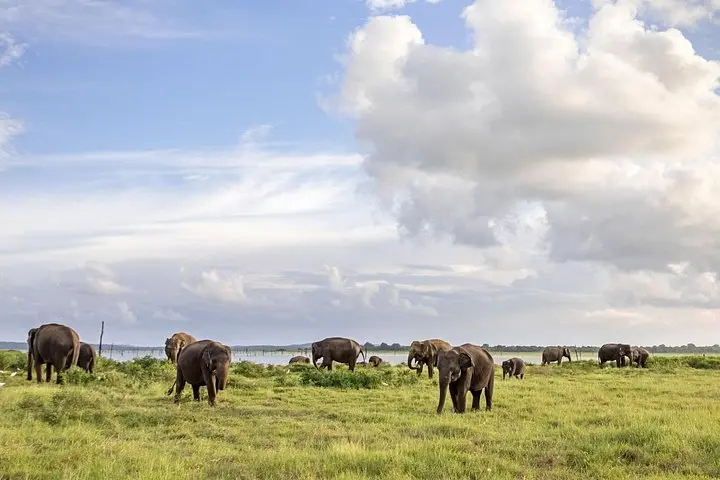
The day pivots from cultural high points to the slow drama of Minneriya National Park. During the dry months the park’s reservoir acts like a magnet for the region’s wildlife — hundreds of Asian elephants gather at the water’s edge in what local guides call “the elephant gathering.” It’s not spectacle in a zoo sense but a seasonal choreography of bulls, calves and matriarchs moving across flooded grasslands.
Practical edge: this is a long but accessible day. The full itinerary runs about eight hours and is suitable for travelers who can handle repeated stair sections (Sigiriya’s climb involves roughly 1,000–1,200 steps, some narrow and exposed) plus a 2–3 hour jeep safari. The private vehicle and English-speaking chauffeur-guide included make logistics simple: pickup from Kandy or Sigiriya-area hotels, bottled water and onboard Wi‑Fi are provided, and the tour includes safari jeep and park ticket costs.
Timing is everything—start early to avoid midday heat on the rock and to catch wildlife when animals are active. Wear sturdy shoes for rock and temple floors, bring sun protection and a small daypack for water, a light rain layer and binoculars for the safari. If you want deeper context at Sigiriya or Dambulla, hire a licensed site guide at the entrances; their 30–60 minute tours unpack the frescoes and hydro-engineering of the gardens.
Respect the sites: stay on marked trails, keep distance from wildlife, and follow your driver and ranger’s guidance. End the day with a quiet roadside dhal and rice or a short stop at a local herbal garden to sample Sri Lankan spices—small moments that turn a checklist of monuments into a fuller impression of the island’s landscape and history.
The tour is approximately 8 hours (480 minutes) including drives, Sigiriya climb, Minneriya safari and visits to Dambulla and Matale Herbal Gardens.
It’s physically demanding for those with mobility issues — expect roughly 1,000–1,200 steps, some exposed sections and metal staircases; take breaks and carry water.
Safari jeep and Minneriya park ticket are included; site-entry fees (Sigiriya, Dambulla) and optional local guide fees may be extra depending on the operator’s rundown — confirm at booking.
Yes — the tour offers pickup from Kandy and many nearby hotels; confirm your pickup point when booking and expect a 30-minute pickup window.
Minneriya is famous for Asian elephants, and you may also see water buffalo, various deer species and birds such as painted storks and peacocks during a 2–3 hour jeep safari.
The operator notes it’s stroller-accessible but the Sigiriya climb is not recommended for pregnant travelers or those with serious heart problems; check with your guide if you have health concerns.
SURO Tours LK operates guided outdoor trips and adventures with an emphasis on safety, stewardship, and memorable experiences.
The van cuts through early-morning mist as paddy fields slide by, and the first view of Sigiriya’s flat-topped monolith rises like a deliberate interruption in the lowland plain. You step onto sun-warmed stone, the air heavy with wood smoke and spice, and the climb begins — metal staircases, iron balustrades and ancient frescoes bracketing a route that’s been used for centuries. By the time you reach the plateau the countryside unfurls: a patchwork of tanks, temples and villages where life still moves to ritual and harvest.
The van cuts through early-morning mist as paddy fields slide by, and the first view of Sigiriya’s flat-topped monolith rises like a deliberate interruption in the lowland plain. You step onto sun-warmed stone, the air heavy with wood smoke and spice, and the climb begins — metal staircases, iron balustrades and ancient frescoes bracketing a route that’s been used for centuries. By the time you reach the plateau the countryside unfurls: a patchwork of tanks, temples and villages where life still moves to ritual and harvest.
Sigiriya — the so-called Lion Rock — is a 5th-century palace-fortress commissioned by King Kassapa. Its sheer sides are volcanic breccia and granite, worn into bands that reveal seismic histories long before human hands carved terraces and water gardens into the plain below. A short drive away Dambulla’s cave temples hold a different human story: Buddha images, gilded faces and mural cycles that span eras of patronage from early Buddhist settlements to Kandyan restorations.
The day pivots from cultural high points to the slow drama of Minneriya National Park. During the dry months the park’s reservoir acts like a magnet for the region’s wildlife — hundreds of Asian elephants gather at the water’s edge in what local guides call “the elephant gathering.” It’s not spectacle in a zoo sense but a seasonal choreography of bulls, calves and matriarchs moving across flooded grasslands.
Practical edge: this is a long but accessible day. The full itinerary runs about eight hours and is suitable for travelers who can handle repeated stair sections (Sigiriya’s climb involves roughly 1,000–1,200 steps, some narrow and exposed) plus a 2–3 hour jeep safari. The private vehicle and English-speaking chauffeur-guide included make logistics simple: pickup from Kandy or Sigiriya-area hotels, bottled water and onboard Wi‑Fi are provided, and the tour includes safari jeep and park ticket costs.
Timing is everything—start early to avoid midday heat on the rock and to catch wildlife when animals are active. Wear sturdy shoes for rock and temple floors, bring sun protection and a small daypack for water, a light rain layer and binoculars for the safari. If you want deeper context at Sigiriya or Dambulla, hire a licensed site guide at the entrances; their 30–60 minute tours unpack the frescoes and hydro-engineering of the gardens.
Respect the sites: stay on marked trails, keep distance from wildlife, and follow your driver and ranger’s guidance. End the day with a quiet roadside dhal and rice or a short stop at a local herbal garden to sample Sri Lankan spices—small moments that turn a checklist of monuments into a fuller impression of the island’s landscape and history.