THE ADVENTURE COLLECTIVE® · Independent discovery and booking for outdoor travel

Ride an open 4x4 from Kandy toward the dry-forest plains where Minneriya and Kaudulla reservoirs draw Sri Lanka’s largest elephant gatherings. This combined shuttle and safari pairs straightforward transport with high-probability wildlife viewing during the dry season.
Ride an open 4x4 from Kandy toward the dry-forest plains where Minneriya and Kaudulla reservoirs draw Sri Lanka’s largest elephant gatherings. This combined shuttle and safari pairs straightforward transport with high-probability wildlife viewing during the dry season.
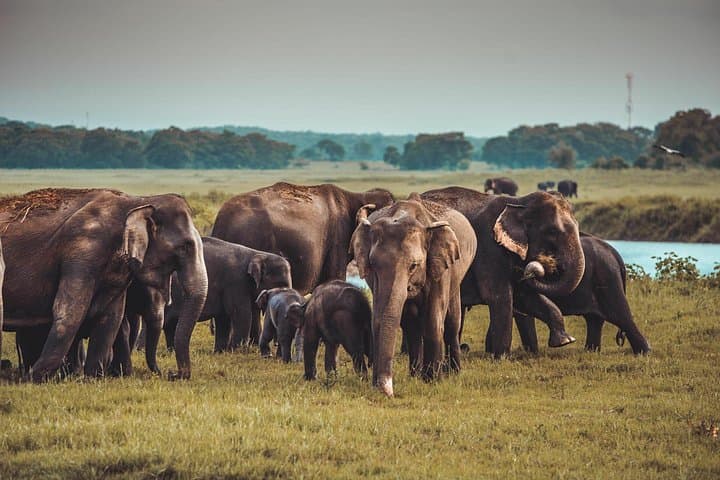
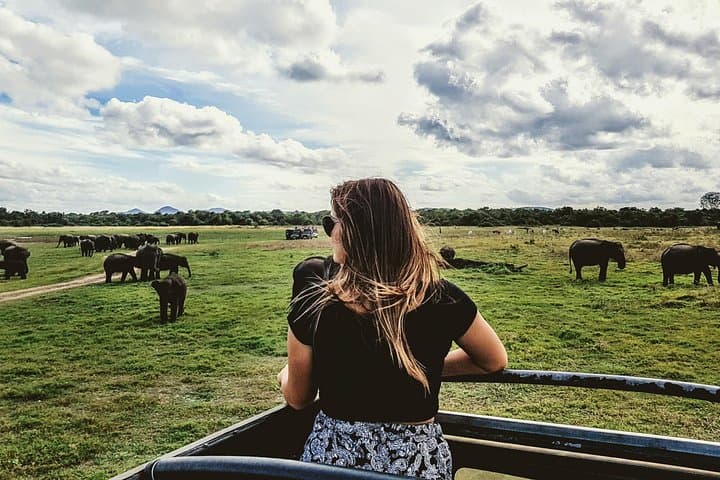
You climb into an open 4x4 as sunlight strips the mist from the paddy fields and the road heads northeast. The jeep hums; the tank—an ancient reservoir—glitters ahead and small birds wheel over the water, daring you closer. By midday the terrain opens into the scrub and dry forest of Minneriya/Kaudulla country, where elephants gather along the shoreline and trunks probe the shallow shallows like slow, curious engines.
Verified experiences and guided adventures in the surrounding area.
Operated by Tuktukdude Leisure · Kandy, Central Province
You climb into an open 4x4 as sunlight strips the mist from the paddy fields and the road heads northeast. The jeep hums; the tank—an ancient reservoir—glitters ahead and small birds wheel over the water, daring you closer. By midday the terrain opens into the scrub and dry forest of Minneriya/Kaudulla country, where elephants gather along the shoreline and trunks probe the shallow shallows like slow, curious engines.
This route stitches together layers of Sri Lankan history: King Mahasen’s third-century irrigation works made the tanks that now concentrate wildlife in the dry season. Geologically the region is low-lying Miocene sediments; the landscape’s flat basins and shallow lakes create feeding grounds that define local animal movements. Culturally, the drive passes rice villages and Buddhist shrines—small reminders that human life and wildlife have long coexisted here.
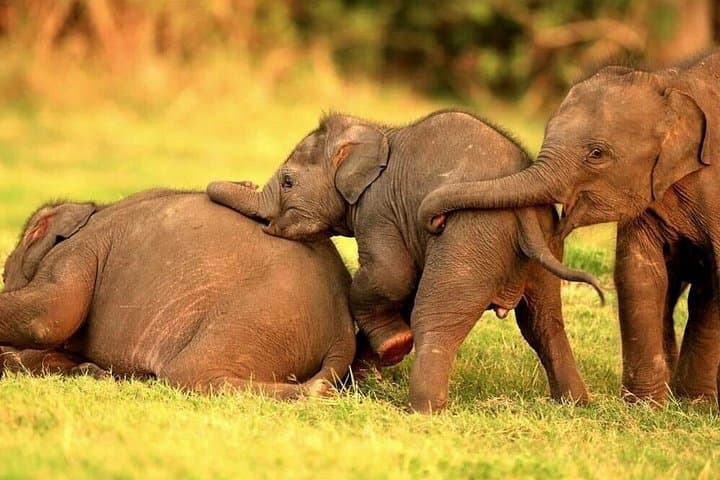
Expect a guided safari from midafternoon into evening: the trekker reads tracks and times the route to the most active grazing zones. You’ll see Asian elephants in groups, axis and sambar deer at the waterline, and endemic monkeys in the canopy; birdlife is prolific. Evening snacks and bottled water are included, and your drop-off continues on to Trincomalee after the drive.
Practical notes: travel light, use a telephoto lens or binoculars, and plan this for the dry months (July–September) when elephants congregate. Wear closed-toe shoes for quick in-and-out of the jeep, carry mosquito repellent, and bring a lightweight sun layer—shade is sparse on the open plains. Be prepared for bumpy roads and a slow, intimate wildlife rhythm rather than a fast sightseeing sprint.
Pickup is from accommodations in Kandy around 11:30 AM; exact pickup point is confirmed at booking.
Dry-season months—typically July through September—concentrate elephants at the tanks when water is limited elsewhere.
Evening snacks and bottled water are provided during the safari; plan for full meals before or after the tour.
The activity is rated easy, but it’s not recommended for travelers with spinal or serious heart conditions; infants should sit on an adult’s lap.
Tuktukdude Leisure operates guided outdoor trips and adventures with an emphasis on safety, stewardship, and memorable experiences.

You climb into an open 4x4 as sunlight strips the mist from the paddy fields and the road heads northeast. The jeep hums; the tank—an ancient reservoir—glitters ahead and small birds wheel over the water, daring you closer. By midday the terrain opens into the scrub and dry forest of Minneriya/Kaudulla country, where elephants gather along the shoreline and trunks probe the shallow shallows like slow, curious engines.
You climb into an open 4x4 as sunlight strips the mist from the paddy fields and the road heads northeast. The jeep hums; the tank—an ancient reservoir—glitters ahead and small birds wheel over the water, daring you closer. By midday the terrain opens into the scrub and dry forest of Minneriya/Kaudulla country, where elephants gather along the shoreline and trunks probe the shallow shallows like slow, curious engines.
This route stitches together layers of Sri Lankan history: King Mahasen’s third-century irrigation works made the tanks that now concentrate wildlife in the dry season. Geologically the region is low-lying Miocene sediments; the landscape’s flat basins and shallow lakes create feeding grounds that define local animal movements. Culturally, the drive passes rice villages and Buddhist shrines—small reminders that human life and wildlife have long coexisted here.
Expect a guided safari from midafternoon into evening: the trekker reads tracks and times the route to the most active grazing zones. You’ll see Asian elephants in groups, axis and sambar deer at the waterline, and endemic monkeys in the canopy; birdlife is prolific. Evening snacks and bottled water are included, and your drop-off continues on to Trincomalee after the drive.
Practical notes: travel light, use a telephoto lens or binoculars, and plan this for the dry months (July–September) when elephants congregate. Wear closed-toe shoes for quick in-and-out of the jeep, carry mosquito repellent, and bring a lightweight sun layer—shade is sparse on the open plains. Be prepared for bumpy roads and a slow, intimate wildlife rhythm rather than a fast sightseeing sprint.