THE ADVENTURE COLLECTIVE® · Independent discovery and booking for outdoor travel

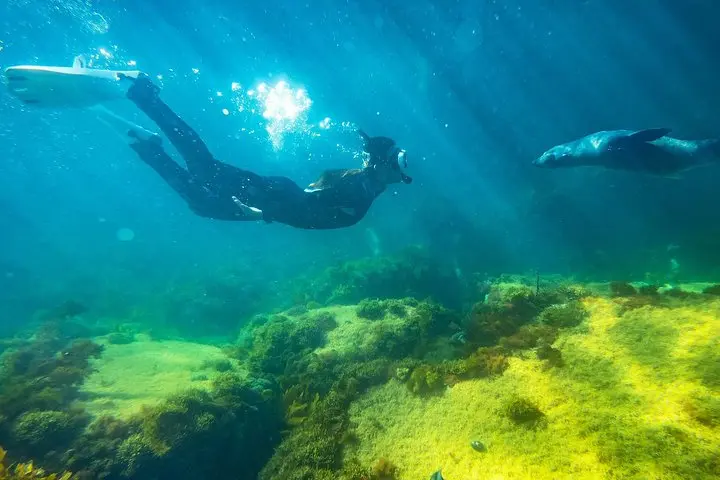
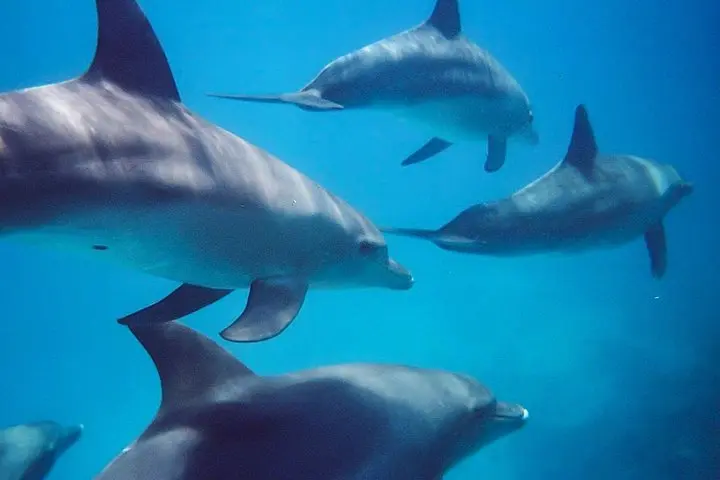
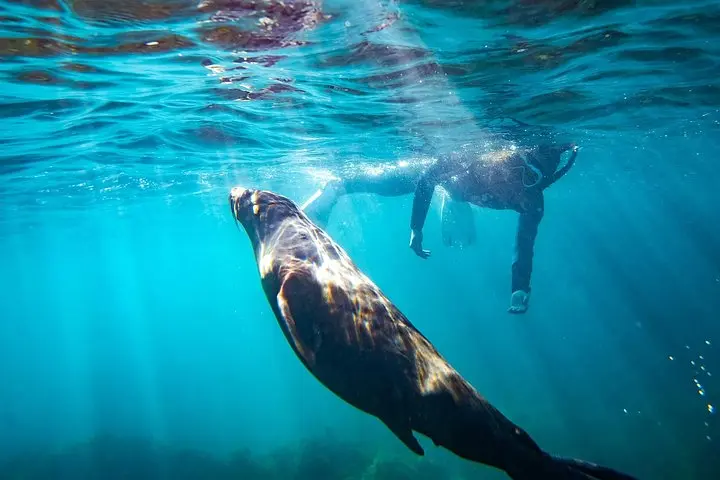
Board a small vessel at Penneshaw and slip into a wetsuit for a guided 2‑hour snorkel safari — swim near long‑nosed seals or swim alongside wild dolphins while learning about Kangaroo Island’s coastal ecology.
Board a small vessel at Penneshaw and slip into a wetsuit for a guided 2‑hour snorkel safari — swim near long‑nosed seals or swim alongside wild dolphins while learning about Kangaroo Island’s coastal ecology.
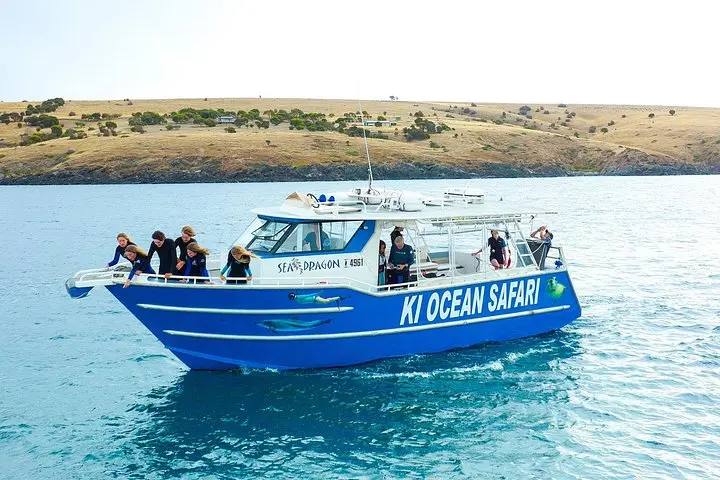
A salt breeze lifts off the water as the 28‑seat vessel pulls away from Christmas Cove Marina. Penneshaw’s low cliffs recede and the coastline becomes a series of headlands and rock shelves where seals haul out and dolphins ride the swell. Guides scan the horizon; when they spot activity the engine idles and the ocean prompts you to slip into a wetsuit and join it.
Verified experiences and guided adventures in the surrounding area.
Operated by Kangaroo Island Ocean Safari · Penneshaw, South Australia
A salt breeze lifts off the water as the 28‑seat vessel pulls away from Christmas Cove Marina. Penneshaw’s low cliffs recede and the coastline becomes a series of headlands and rock shelves where seals haul out and dolphins ride the swell. Guides scan the horizon; when they spot activity the engine idles and the ocean prompts you to slip into a wetsuit and join it.
Kangaroo Island was largely untouched by humans until European sealers arrived in the early 1800s; that history shaped today’s marine use and protected bays. Geologically the coast is a mix of sandstone platforms and granite outcrops carved by Southern Ocean swells, creating kelp beds and shallow reefs that concentrate life. Local culture respects these animals—operators work under strict wildlife guidelines to minimize disturbance while offering up-close observation.
Practically, expect 2 hours from marina to return, water temperatures around 14–15°C, and compulsory wetsuits. Snorkel sites are shallow, rocky and can be slippery getting in and out; enter under guide direction. Wildlife sightings are seasonal—winter brings larger seal numbers, summer often sees dolphin pods—but encounters are never guaranteed. Bring a warm jacket for the post‑swim chill, and time your trip for calmer seas if you’re prone to motion sickness.
This is a wildlife-first outing: be present, follow crew instructions, and let the ocean decide how close it will let you get to its residents.
No—dolphins and seals are wild and sightings depend on daily animal movements; operators choose sites with the best likelihood but cannot guarantee interaction.
Children under 9 are generally not recommended for swimming; operators advise that participants be at least 9 years old and able to follow safety instructions.
Pregnant travelers may ride on the vessel but are not permitted to enter the water for safety reasons.
Tours canceled for weather are typically refunded if canceled by the operator; customers should check the operator’s 24‑hour cancellation policy for full details.
Kangaroo Island Ocean Safari operates guided outdoor trips and adventures with an emphasis on safety, stewardship, and memorable experiences.
A salt breeze lifts off the water as the 28‑seat vessel pulls away from Christmas Cove Marina. Penneshaw’s low cliffs recede and the coastline becomes a series of headlands and rock shelves where seals haul out and dolphins ride the swell. Guides scan the horizon; when they spot activity the engine idles and the ocean prompts you to slip into a wetsuit and join it.
A salt breeze lifts off the water as the 28‑seat vessel pulls away from Christmas Cove Marina. Penneshaw’s low cliffs recede and the coastline becomes a series of headlands and rock shelves where seals haul out and dolphins ride the swell. Guides scan the horizon; when they spot activity the engine idles and the ocean prompts you to slip into a wetsuit and join it.
Kangaroo Island was largely untouched by humans until European sealers arrived in the early 1800s; that history shaped today’s marine use and protected bays. Geologically the coast is a mix of sandstone platforms and granite outcrops carved by Southern Ocean swells, creating kelp beds and shallow reefs that concentrate life. Local culture respects these animals—operators work under strict wildlife guidelines to minimize disturbance while offering up-close observation.
Practically, expect 2 hours from marina to return, water temperatures around 14–15°C, and compulsory wetsuits. Snorkel sites are shallow, rocky and can be slippery getting in and out; enter under guide direction. Wildlife sightings are seasonal—winter brings larger seal numbers, summer often sees dolphin pods—but encounters are never guaranteed. Bring a warm jacket for the post‑swim chill, and time your trip for calmer seas if you’re prone to motion sickness.
This is a wildlife-first outing: be present, follow crew instructions, and let the ocean decide how close it will let you get to its residents.