THE ADVENTURE COLLECTIVE® · Independent discovery and booking for outdoor travel

This private day excursion from Dharamshala links Masroor’s rare monolithic rock temples, the commanding Kangra Fort and the Mata Brajeshwari Temple into a single cultural circuit. Expect moderate walking, historical depth and panoramic foothill views with hotel pickup and lunch included.
This private day excursion from Dharamshala links Masroor’s rare monolithic rock temples, the commanding Kangra Fort and the Mata Brajeshwari Temple into a single cultural circuit. Expect moderate walking, historical depth and panoramic foothill views with hotel pickup and lunch included.
Morning light over the lower Dhauladhars fragments the valley as a private vehicle threads down the hill from Dharamshala toward Kangra. The road loosens into farmland and then into a low, river-cut landscape where the three local rivers—Majhi, Banganga and Bener—shape the foothills and frame your stops.
Verified experiences and guided adventures in the surrounding area.
Operated by SITA World Tours · Kangra, Himachal Pradesh
Morning light over the lower Dhauladhars fragments the valley as a private vehicle threads down the hill from Dharamshala toward Kangra. The road loosens into farmland and then into a low, river-cut landscape where the three local rivers—Majhi, Banganga and Bener—shape the foothills and frame your stops.
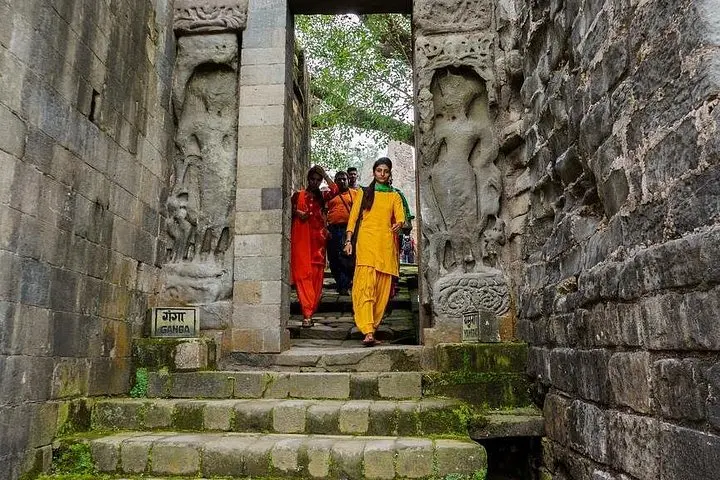
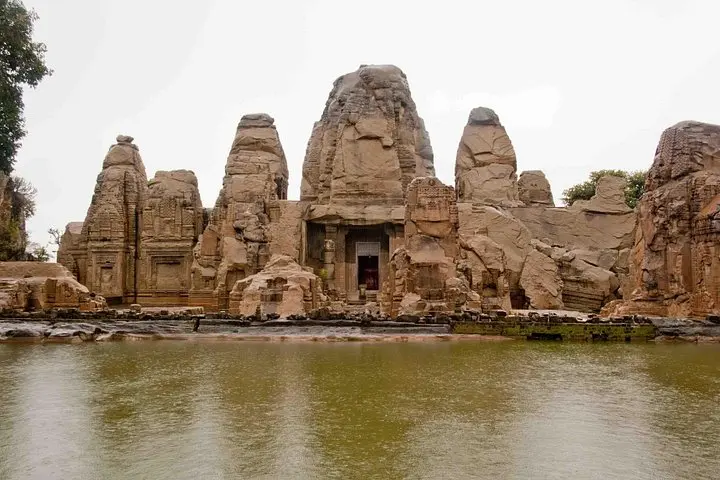
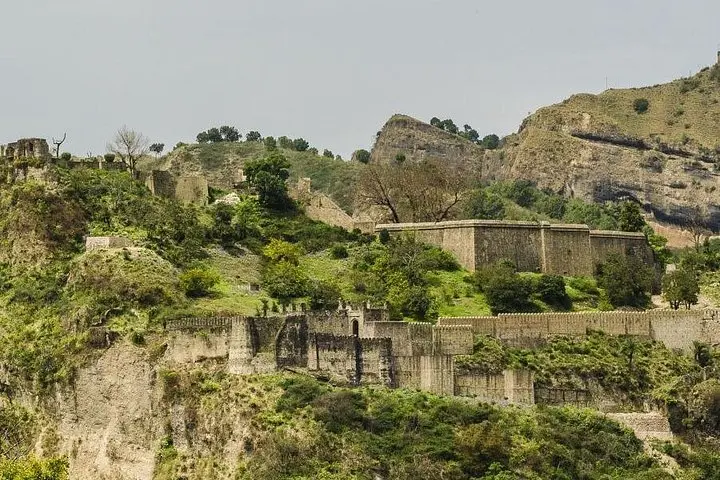
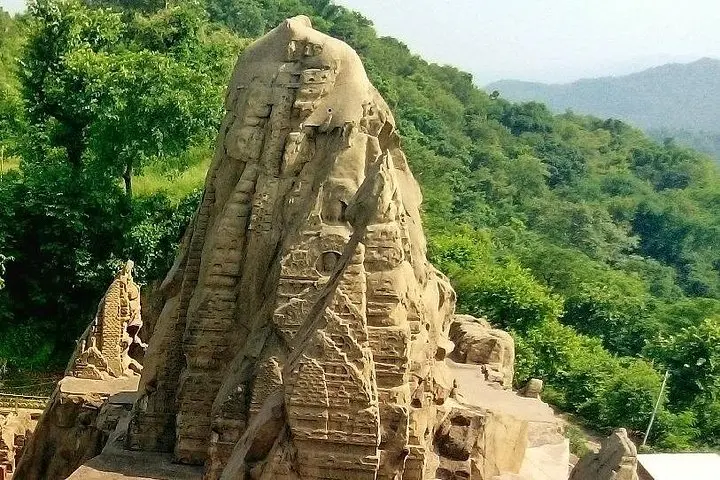
Masroor’s rock-cut temples arrive first: a monolithic complex hewn from a single stone block, carved in roughly the 8th century and unique in North India. The stone faces and pillared verandas open onto a pond and a view that pushes the mountains into the distance. Kangra Fort follows—an imposing Katoch dynasty stronghold perched at the confluence of Majhi and Banganga, now in atmospheric ruin but still offering sweeping views and layers of Rajput and Mughal-era history. The Mata Brajeshwari Temple, rebuilt after the 1905 quake, ties local devotion to epic-age legends of the Pandavas and seasonal festivals.
Practical guidance: the full loop is a 6–8 hour day with moderate walking on uneven surfaces—bring sturdy shoes, sun protection and a modest dress for temple entry. A local English-speaking guide and lunch are included; expect short walks, steps at the fort, and some unshaded sections at Masroor. Mobile reception is intermittent outside towns, so carry water (two bottles provided) and small cash for market purchases. The itinerary suits travelers in reasonable health; it’s not recommended for those with serious back or heart issues or for late-stage pregnancy.
Timing your visit for early morning light or late afternoon reduces heat and brings clearer mountain views. Respect dress codes at shrines and keep to marked paths to protect both carved stone and local agriculture.
Pickup is from your Dharamshala hotel in the morning; exact time is provided at booking based on location.
Admission to Kangra Fort is included as noted in the itinerary; check with the operator for any additional site fees.
Children must be accompanied by an adult; the tour involves walking and some stairs and is best for those comfortable with moderate physical activity.
Lunch is included but beverages are excluded; notify the operator in advance for vegetarian or other dietary needs.
SITA World Tours operates guided outdoor trips and adventures with an emphasis on safety, stewardship, and memorable experiences.
Morning light over the lower Dhauladhars fragments the valley as a private vehicle threads down the hill from Dharamshala toward Kangra. The road loosens into farmland and then into a low, river-cut landscape where the three local rivers—Majhi, Banganga and Bener—shape the foothills and frame your stops.
Morning light over the lower Dhauladhars fragments the valley as a private vehicle threads down the hill from Dharamshala toward Kangra. The road loosens into farmland and then into a low, river-cut landscape where the three local rivers—Majhi, Banganga and Bener—shape the foothills and frame your stops.
Masroor’s rock-cut temples arrive first: a monolithic complex hewn from a single stone block, carved in roughly the 8th century and unique in North India. The stone faces and pillared verandas open onto a pond and a view that pushes the mountains into the distance. Kangra Fort follows—an imposing Katoch dynasty stronghold perched at the confluence of Majhi and Banganga, now in atmospheric ruin but still offering sweeping views and layers of Rajput and Mughal-era history. The Mata Brajeshwari Temple, rebuilt after the 1905 quake, ties local devotion to epic-age legends of the Pandavas and seasonal festivals.
Practical guidance: the full loop is a 6–8 hour day with moderate walking on uneven surfaces—bring sturdy shoes, sun protection and a modest dress for temple entry. A local English-speaking guide and lunch are included; expect short walks, steps at the fort, and some unshaded sections at Masroor. Mobile reception is intermittent outside towns, so carry water (two bottles provided) and small cash for market purchases. The itinerary suits travelers in reasonable health; it’s not recommended for those with serious back or heart issues or for late-stage pregnancy.
Timing your visit for early morning light or late afternoon reduces heat and brings clearer mountain views. Respect dress codes at shrines and keep to marked paths to protect both carved stone and local agriculture.