THE ADVENTURE COLLECTIVE® · Independent discovery and booking for outdoor travel

A seven-hour artisan and gastronomic loop from Campeche that pairs a Puuc-style archaeological stop with hat-weaving workshops in Becal, colonial architecture in Hecelchakán and the unique bread-and-ritual traditions of Pomuch. Expect short walks, tastings and direct contact with local artisans.
A seven-hour artisan and gastronomic loop from Campeche that pairs a Puuc-style archaeological stop with hat-weaving workshops in Becal, colonial architecture in Hecelchakán and the unique bread-and-ritual traditions of Pomuch. Expect short walks, tastings and direct contact with local artisans.
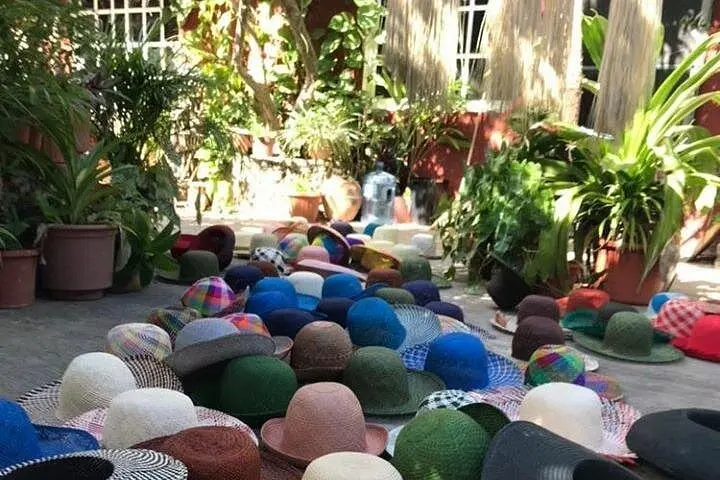
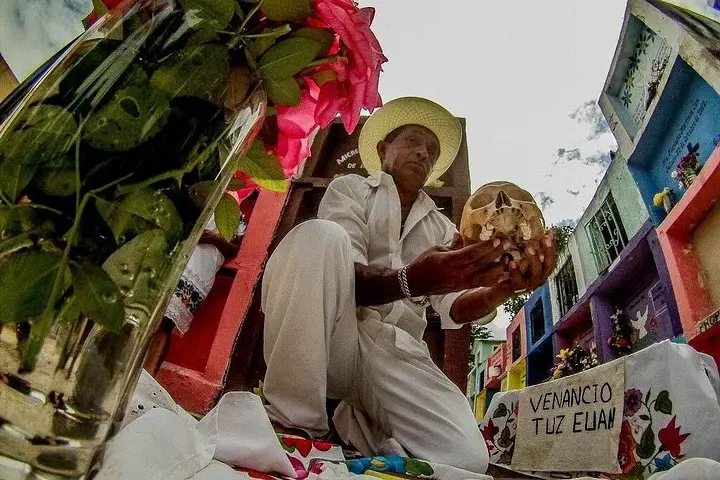
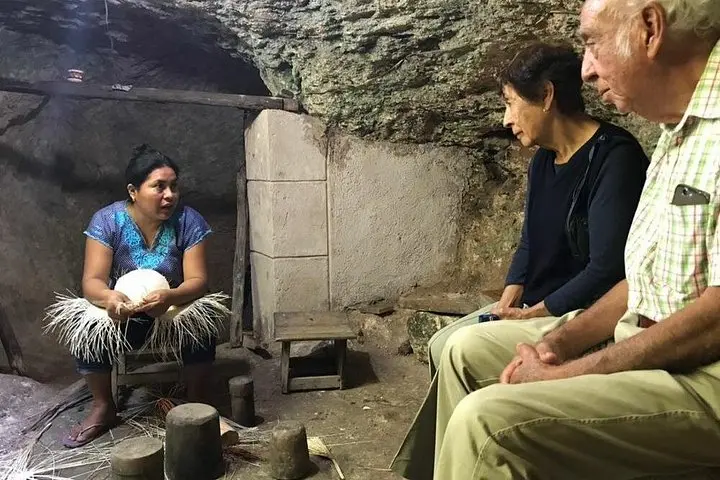
A slow, sun-softened road opens out of Campeche’s low savanna and leads travelers into an older landscape—lime-rock plains, shady cenotes and villages where craft and food set the tempo of life. On this seven-hour loop you move between an under-visited Puuc-style ruin at Kankí, family workshops in Becal where Jipi Japa hats are still woven in cave coolness, the 17th-century San Francisco de Asís church in Hecelchakán, and Pomuch, where bread and bone-cleaning rites mark deep local rhythms.
Verified experiences and guided adventures in the surrounding area.
Operated by Syctravel.com · Hecelchakán, Campeche
A slow, sun-softened road opens out of Campeche’s low savanna and leads travelers into an older landscape—lime-rock plains, shady cenotes and villages where craft and food set the tempo of life. On this seven-hour loop you move between an under-visited Puuc-style ruin at Kankí, family workshops in Becal where Jipi Japa hats are still woven in cave coolness, the 17th-century San Francisco de Asís church in Hecelchakán, and Pomuch, where bread and bone-cleaning rites mark deep local rhythms.
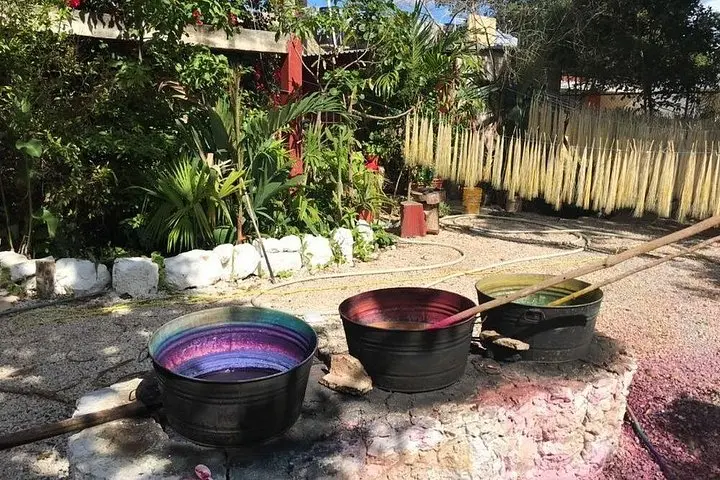
Kankí’s masonry belongs to the Puuc tradition: a veneer of carved stone over a limestone core, occupied here from roughly 500–1000 AD. Becal’s caves and courtyards reveal a practical relationship with humidity and palm fiber—generations shaping a global hat market from local materials. Hecelchakán and Pomuch add colonial and living-Maya layers: baroque church masonry, cenotes that once guided travel routes, and kitchens where cochinita pibil and pomuch bread are prepared over hands-on fires.
Practically, expect short guided walks, photo stops and a relaxed rhythm of demonstrations and tastings. Wear light, closed-toe shoes for uneven village streets and archaeological footing; bring cash for artisan purchases, sun protection and a small daypack. The driver-guide provides air-conditioned transit between sites, but shade can be limited at ruins and plazas—plan water and breaks accordingly. This is an accessibly paced day that rewards curiosity: study the weave of a hat, taste a stone-oven roll, and watch a community keep older practices alive.
The tour runs about seven hours and typically includes transport in an air-conditioned vehicle, a bilingual guide, lunch, entrance and visits to Kankí, Becal, Hecelchakán and Pomuch.
Yes—this is rated easy with short walks; however, some sites have uneven ground and limited wheelchair access, so mobility constraints should be discussed when booking.
Yes—Becal has many workshops and family sellers; bring cash and ask about production time if you want a custom hat.
Lunch is included and often features regional dishes—notify the operator in advance of allergies or dietary restrictions so they can accommodate you.
Syctravel.com operates guided outdoor trips and adventures with an emphasis on safety, stewardship, and memorable experiences.
A slow, sun-softened road opens out of Campeche’s low savanna and leads travelers into an older landscape—lime-rock plains, shady cenotes and villages where craft and food set the tempo of life. On this seven-hour loop you move between an under-visited Puuc-style ruin at Kankí, family workshops in Becal where Jipi Japa hats are still woven in cave coolness, the 17th-century San Francisco de Asís church in Hecelchakán, and Pomuch, where bread and bone-cleaning rites mark deep local rhythms.
A slow, sun-softened road opens out of Campeche’s low savanna and leads travelers into an older landscape—lime-rock plains, shady cenotes and villages where craft and food set the tempo of life. On this seven-hour loop you move between an under-visited Puuc-style ruin at Kankí, family workshops in Becal where Jipi Japa hats are still woven in cave coolness, the 17th-century San Francisco de Asís church in Hecelchakán, and Pomuch, where bread and bone-cleaning rites mark deep local rhythms.
Kankí’s masonry belongs to the Puuc tradition: a veneer of carved stone over a limestone core, occupied here from roughly 500–1000 AD. Becal’s caves and courtyards reveal a practical relationship with humidity and palm fiber—generations shaping a global hat market from local materials. Hecelchakán and Pomuch add colonial and living-Maya layers: baroque church masonry, cenotes that once guided travel routes, and kitchens where cochinita pibil and pomuch bread are prepared over hands-on fires.
Practically, expect short guided walks, photo stops and a relaxed rhythm of demonstrations and tastings. Wear light, closed-toe shoes for uneven village streets and archaeological footing; bring cash for artisan purchases, sun protection and a small daypack. The driver-guide provides air-conditioned transit between sites, but shade can be limited at ruins and plazas—plan water and breaks accordingly. This is an accessibly paced day that rewards curiosity: study the weave of a hat, taste a stone-oven roll, and watch a community keep older practices alive.