THE ADVENTURE COLLECTIVE® · Independent discovery and booking for outdoor travel

Spend a full day photographing the Kapiti Coast and Foxton-area beaches, from Te Horo to Waitarere and Foxton Beach. This guided tour times light and tides for the best shots while providing local access, tripod hire and practical camera coaching.
Spend a full day photographing the Kapiti Coast and Foxton-area beaches, from Te Horo to Waitarere and Foxton Beach. This guided tour times light and tides for the best shots while providing local access, tripod hire and practical camera coaching.
A low winter sun glints off the long sweep of sand as the van eases onto a side track—salt spray daring you to focus, wind pushing tufts of dune grass into motion. This day tour threads the Kapiti Coast and Foxton-area beaches, moving between Te Horo, Waitarere and Foxton Beach to frame shorelines that shift from broad sandy flats to sheltered estuaries.
Verified experiences and guided adventures in the surrounding area.
Operated by New Zealand Photo Safari · Te Horo, Wellington Region
A low winter sun glints off the long sweep of sand as the van eases onto a side track—salt spray daring you to focus, wind pushing tufts of dune grass into motion. This day tour threads the Kapiti Coast and Foxton-area beaches, moving between Te Horo, Waitarere and Foxton Beach to frame shorelines that shift from broad sandy flats to sheltered estuaries.
Geology here is recent and active: coastal terraces, dune systems and river outwash sculpted since the last ice age, with fine sands that change with every storm. Māori history lines the coast—rich kaimoana beds and customary pathways—while 19th-century flax milling around Foxton left timber wharves and a small-town character still visible today.
Expect sea birds to be part of the composition: oystercatchers patrol the tideline, gannets plunge offshore, and estuary hides offer close study of waders. The guide’s role is practical—choosing vantage points, timing light and tides, and opening access to quieter spots for macro and long-exposure work.
Plan for changing conditions: check tide tables before dawn or sunset shoots, bring layered wind protection and footwear that can handle sand and occasional rock platforms. Tripod hire is provided, but photographers often bring a polarizer and spare batteries—the cold and wind sap charge quickly. The full-day itinerary runs about eight hours and is suitable for all fitness levels; most of the work is standing and short walks between viewpoints.
Whether you’re composing minimalist seascapes or capturing birdlife in flight, this tour combines coastal texture, accessible locations and local insight to help photographers get the shot without the guesswork.
Pickups are arranged between Wellington and Palmerston North; confirm your pickup point when booking and allow time for the pickup window.
Yes—guides accommodate all skill levels and include practical tips on composition, exposure and timing for coastal light.
Yes—the operator offers free tripod hire, though bringing your own saves setup time for multiple vantage points.
The operator may cancel for heavy rain or unsafe coastal conditions; check the 24-hour cancellation window and rescheduling options.
New Zealand Photo Safari operates guided outdoor trips and adventures with an emphasis on safety, stewardship, and memorable experiences.
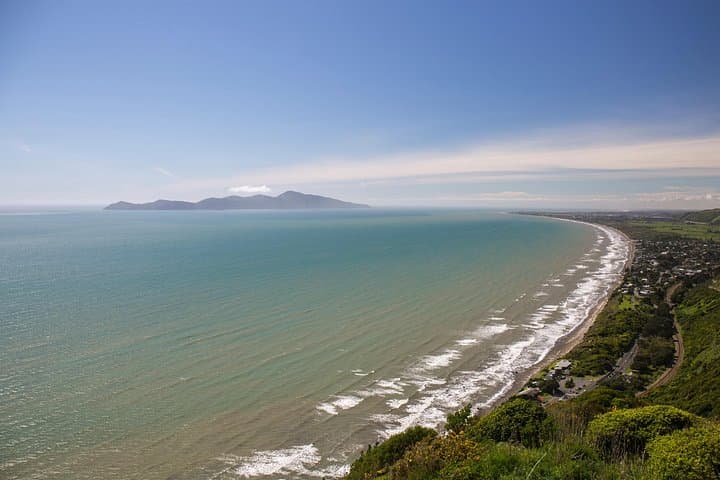


A low winter sun glints off the long sweep of sand as the van eases onto a side track—salt spray daring you to focus, wind pushing tufts of dune grass into motion. This day tour threads the Kapiti Coast and Foxton-area beaches, moving between Te Horo, Waitarere and Foxton Beach to frame shorelines that shift from broad sandy flats to sheltered estuaries.
A low winter sun glints off the long sweep of sand as the van eases onto a side track—salt spray daring you to focus, wind pushing tufts of dune grass into motion. This day tour threads the Kapiti Coast and Foxton-area beaches, moving between Te Horo, Waitarere and Foxton Beach to frame shorelines that shift from broad sandy flats to sheltered estuaries.
Geology here is recent and active: coastal terraces, dune systems and river outwash sculpted since the last ice age, with fine sands that change with every storm. Māori history lines the coast—rich kaimoana beds and customary pathways—while 19th-century flax milling around Foxton left timber wharves and a small-town character still visible today.
Expect sea birds to be part of the composition: oystercatchers patrol the tideline, gannets plunge offshore, and estuary hides offer close study of waders. The guide’s role is practical—choosing vantage points, timing light and tides, and opening access to quieter spots for macro and long-exposure work.
Plan for changing conditions: check tide tables before dawn or sunset shoots, bring layered wind protection and footwear that can handle sand and occasional rock platforms. Tripod hire is provided, but photographers often bring a polarizer and spare batteries—the cold and wind sap charge quickly. The full-day itinerary runs about eight hours and is suitable for all fitness levels; most of the work is standing and short walks between viewpoints.
Whether you’re composing minimalist seascapes or capturing birdlife in flight, this tour combines coastal texture, accessible locations and local insight to help photographers get the shot without the guesswork.