THE ADVENTURE COLLECTIVE® · Independent discovery and booking for outdoor travel

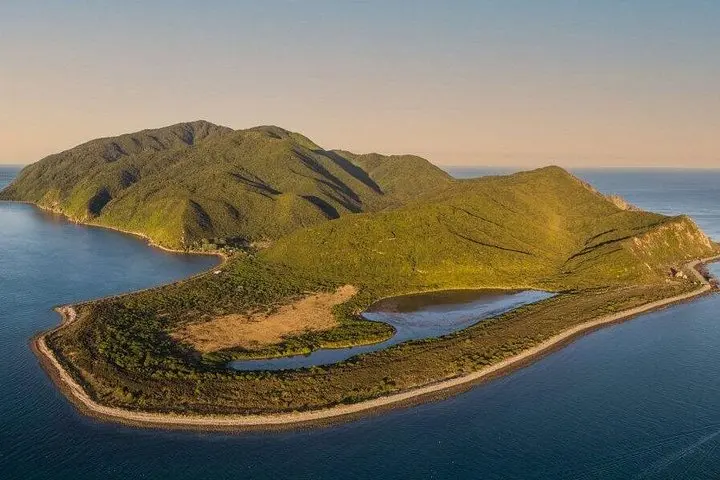
Spend a full day from Wellington on Kapiti Island, a predator-free nature reserve where conservation work and close-up bird encounters are the focus. This guided tour includes ferry transport, expert interpretation, and a cooked lunch at the island lodge.
Spend a full day from Wellington on Kapiti Island, a predator-free nature reserve where conservation work and close-up bird encounters are the focus. This guided tour includes ferry transport, expert interpretation, and a cooked lunch at the island lodge.
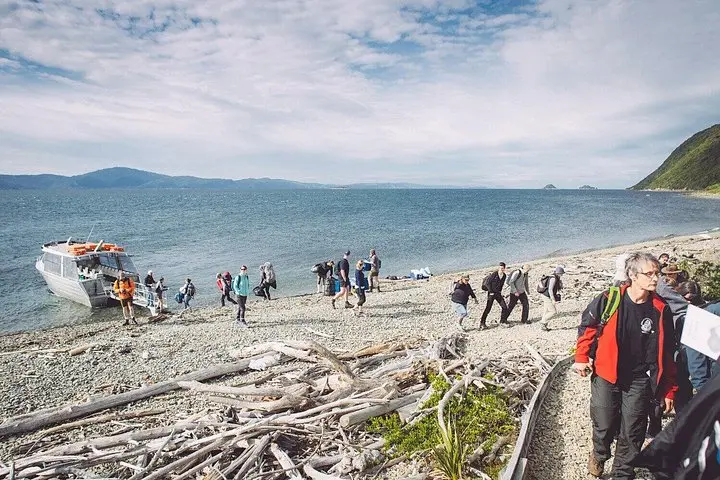
The morning ferry cuts across pewter water as Kapiti Island grows from a distant ridge to a living landform under your feet. Salt air pushes at the ferry; gulls wheel and the island’s forests loom, dark and urgent, like a place that refuses to be tamed.
Verified experiences and guided adventures in the surrounding area.
Operated by Kapiti Island Nature Tours · Paraparaumu, Wellington Region
The morning ferry cuts across pewter water as Kapiti Island grows from a distant ridge to a living landform under your feet. Salt air pushes at the ferry; gulls wheel and the island’s forests loom, dark and urgent, like a place that refuses to be tamed.
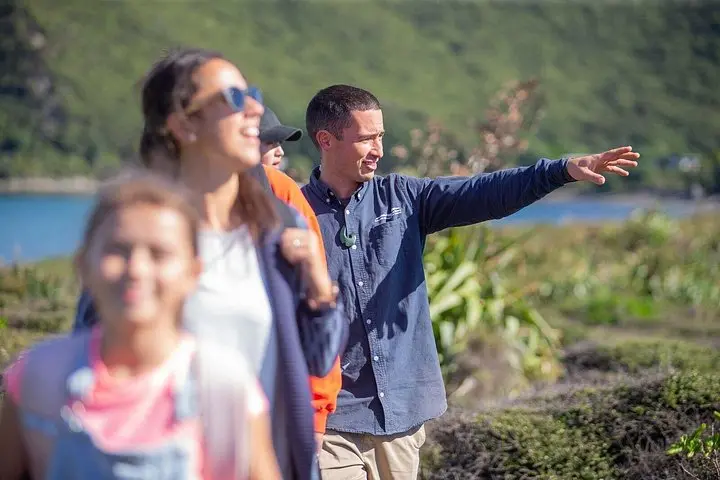
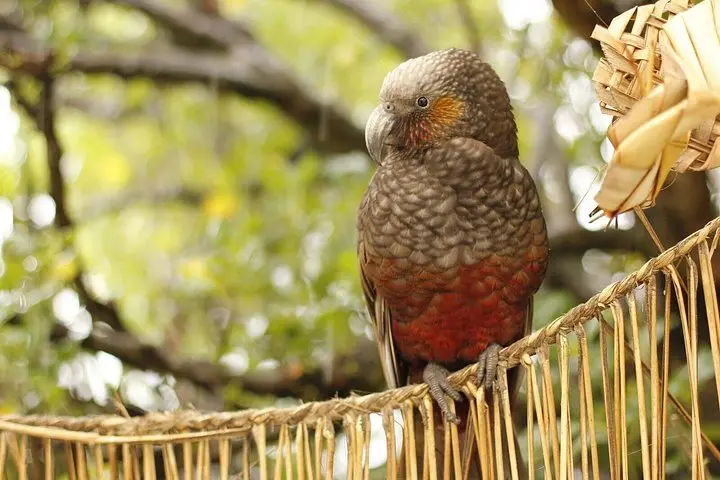
Kapiti has a long human and natural story: first settled and used by Māori for muttonbirding and seasonal camps, it later became a bird sanctuary when predators were removed and native species reintroduced. Geologically the island is a remnant of coastal dunes and uplifted limestone and sandstone—its cliffs and terraces tell of rising seas and shifting skies. Guides on the day tour fold in local iwi history while pointing out takahē, kākā and kōkako calls that mark successful conservation work.
Expect roughly 5.5 hours on-island within a 9-hour day trip from Wellington. Trails range from gentle boardwalks near the lodge to steeper, root-strewn ridgelines; surfaces can be muddy after rain and sun-exposed on ridges. Wildlife sightings are the draw—birds approach with curiosity in a predator-free setting—but the experience is equally cultural: the Lodge lunch, storytelling about rat eradication, and close-up natural history interpretation.
Practical notes: book morning ferries and arrive with layered, waterproof gear and binoculars. Respect biosecurity—clean boots and bags before boarding—and follow guides’ routes to protect nesting sites. Hydrate, wear stout footwear, and allow time for the ferry schedule: the island’s rhythm dictates the day.
Ferries typically depart from Wellington or the Kapiti Coast and the crossing to Kapiti Island takes around 25–45 minutes depending on departure point and sea conditions.
Yes—infants and small children can join; strollers and infant seats are accommodated, but children should be supervised on uneven trails.
No sightings can be guaranteed, but the island’s predator-free status makes bird encounters common; guides increase sighting chances through route planning and quiet observation.
Some paths near the lodge are accessible, but much of the island has uneven, steep sections; contact the operator beforehand to discuss specific mobility needs.
Kapiti Island Nature Tours operates guided outdoor trips and adventures with an emphasis on safety, stewardship, and memorable experiences.
The morning ferry cuts across pewter water as Kapiti Island grows from a distant ridge to a living landform under your feet. Salt air pushes at the ferry; gulls wheel and the island’s forests loom, dark and urgent, like a place that refuses to be tamed.
The morning ferry cuts across pewter water as Kapiti Island grows from a distant ridge to a living landform under your feet. Salt air pushes at the ferry; gulls wheel and the island’s forests loom, dark and urgent, like a place that refuses to be tamed.
Kapiti has a long human and natural story: first settled and used by Māori for muttonbirding and seasonal camps, it later became a bird sanctuary when predators were removed and native species reintroduced. Geologically the island is a remnant of coastal dunes and uplifted limestone and sandstone—its cliffs and terraces tell of rising seas and shifting skies. Guides on the day tour fold in local iwi history while pointing out takahē, kākā and kōkako calls that mark successful conservation work.
Expect roughly 5.5 hours on-island within a 9-hour day trip from Wellington. Trails range from gentle boardwalks near the lodge to steeper, root-strewn ridgelines; surfaces can be muddy after rain and sun-exposed on ridges. Wildlife sightings are the draw—birds approach with curiosity in a predator-free setting—but the experience is equally cultural: the Lodge lunch, storytelling about rat eradication, and close-up natural history interpretation.
Practical notes: book morning ferries and arrive with layered, waterproof gear and binoculars. Respect biosecurity—clean boots and bags before boarding—and follow guides’ routes to protect nesting sites. Hydrate, wear stout footwear, and allow time for the ferry schedule: the island’s rhythm dictates the day.