THE ADVENTURE COLLECTIVE® · Independent discovery and booking for outdoor travel

A 27-day overland crossing from Karachi to Khunjerab Pass along the Karakoram Highway. Expect long scenic drives, high-altitude stretches to 4,880 m, cultural bazaars and a 2-hour boat across Attabad Lake.
A 27-day overland crossing from Karachi to Khunjerab Pass along the Karakoram Highway. Expect long scenic drives, high-altitude stretches to 4,880 m, cultural bazaars and a 2-hour boat across Attabad Lake.
You start before dawn on the long ribbon of the Karakoram Highway, engines humming, the Indus daring you to keep pace as it carves a silver line between cliffs and villages.
Verified experiences and guided adventures in the surrounding area.
Operated by Trango Adventure · Karimabad, Gilgit-Baltistan
You start before dawn on the long ribbon of the Karakoram Highway, engines humming, the Indus daring you to keep pace as it carves a silver line between cliffs and villages.
This 27-day overland route moves from Karachi’s humid coast through Punjab’s agricultural plains, into the emerald foothills of Gilgit-Baltistan and up to Khunjerab Pass (4,880 m) on the Chinese border. The road follows millennia-old trade arteries — the modern Silk Route — where salt from Khewra and apricots from Hunza traveled alongside ideas, faiths and languages. Geologically the trip traverses the collision zone of the Eurasian and Indian plates: expect dramatic glacial valleys, sharp karst outcrops and the high cones of the Karakoram.
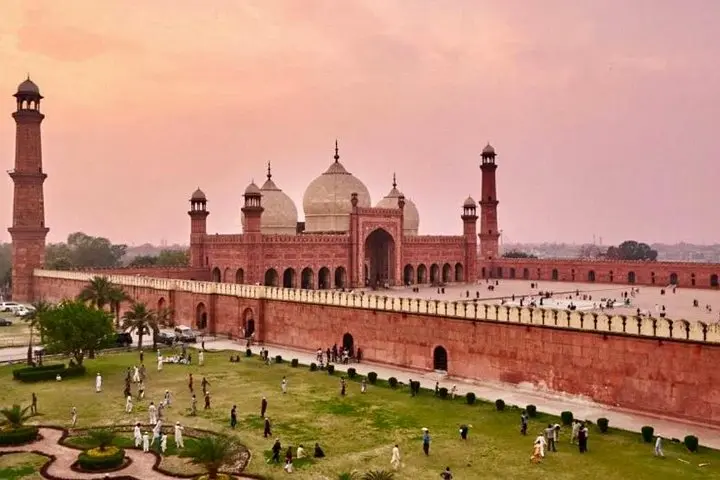
Culturally you’ll pass Sufi shrines in Multan, Mughal architecture in Lahore, purpose-built Islamabad and the Balti-Tibetan heritage of Skardu and Hunza. Small bazaars trade dried apricots, salt lamps and hand-stitched wool; stop and listen — local elders often recount caravan-era memories.
Practical guidance: this is mostly road travel with short walks and a 2-hour boat across Attabad Lake. The long drives include several 6–8 hour days; altitude climbs require patience—build two acclimatization days around Gilgit/Skardu and carry a basic pulse oximeter if you have concerns. Weather can flip from baking sun to alpine wind; layer for cold nights above 3,000 m and drink frequently to offset altitude effects.
Expect simple hotels, occasional night-train segments and periods of limited mobile signal. If you want sweeping views of Rakaposhi, the Passu cones and a real sense of the Karakoram’s scale, this route delivers—if you travel with measured steps and flexible plans.
Most nationalities require a Pakistani visa; check current visa rules and carry ID. For border areas and certain valleys, local permits may be required—your operator will advise and often arrange these.
Khunjerab Pass closes seasonally and may be closed on weekends or due to weather; plan flexibly and confirm border status before travel.
The highest point, Khunjerab Pass, is 4,880 m. The itinerary includes gradual ascent with acclimatization days, but you should monitor symptoms of altitude sickness and descend if needed.
Late spring to early autumn (May–October) offers the most reliable road access, milder weather and open mountain passes; winters bring heavy snow and road closures.
Trango Adventure operates guided outdoor trips and adventures with an emphasis on safety, stewardship, and memorable experiences.
You start before dawn on the long ribbon of the Karakoram Highway, engines humming, the Indus daring you to keep pace as it carves a silver line between cliffs and villages.
You start before dawn on the long ribbon of the Karakoram Highway, engines humming, the Indus daring you to keep pace as it carves a silver line between cliffs and villages.
This 27-day overland route moves from Karachi’s humid coast through Punjab’s agricultural plains, into the emerald foothills of Gilgit-Baltistan and up to Khunjerab Pass (4,880 m) on the Chinese border. The road follows millennia-old trade arteries — the modern Silk Route — where salt from Khewra and apricots from Hunza traveled alongside ideas, faiths and languages. Geologically the trip traverses the collision zone of the Eurasian and Indian plates: expect dramatic glacial valleys, sharp karst outcrops and the high cones of the Karakoram.
Culturally you’ll pass Sufi shrines in Multan, Mughal architecture in Lahore, purpose-built Islamabad and the Balti-Tibetan heritage of Skardu and Hunza. Small bazaars trade dried apricots, salt lamps and hand-stitched wool; stop and listen — local elders often recount caravan-era memories.
Practical guidance: this is mostly road travel with short walks and a 2-hour boat across Attabad Lake. The long drives include several 6–8 hour days; altitude climbs require patience—build two acclimatization days around Gilgit/Skardu and carry a basic pulse oximeter if you have concerns. Weather can flip from baking sun to alpine wind; layer for cold nights above 3,000 m and drink frequently to offset altitude effects.
Expect simple hotels, occasional night-train segments and periods of limited mobile signal. If you want sweeping views of Rakaposhi, the Passu cones and a real sense of the Karakoram’s scale, this route delivers—if you travel with measured steps and flexible plans.