THE ADVENTURE COLLECTIVE® · Independent discovery and booking for outdoor travel

Walk Karakol’s streets and discover how Silk Road trade, Russian explorers, and Dungan craftsmen shaped this Issyk‑Kul town. This three‑hour private tour mixes museum deep dives with neighborhood visits and clear options for natural side trips.
Walk Karakol’s streets and discover how Silk Road trade, Russian explorers, and Dungan craftsmen shaped this Issyk‑Kul town. This three‑hour private tour mixes museum deep dives with neighborhood visits and clear options for natural side trips.
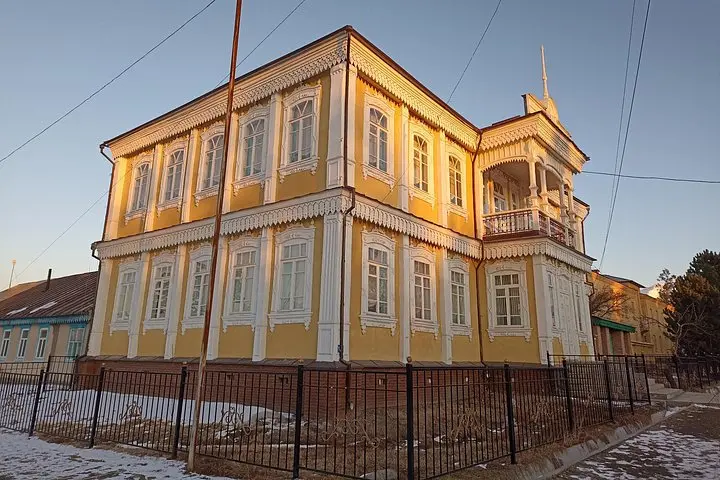
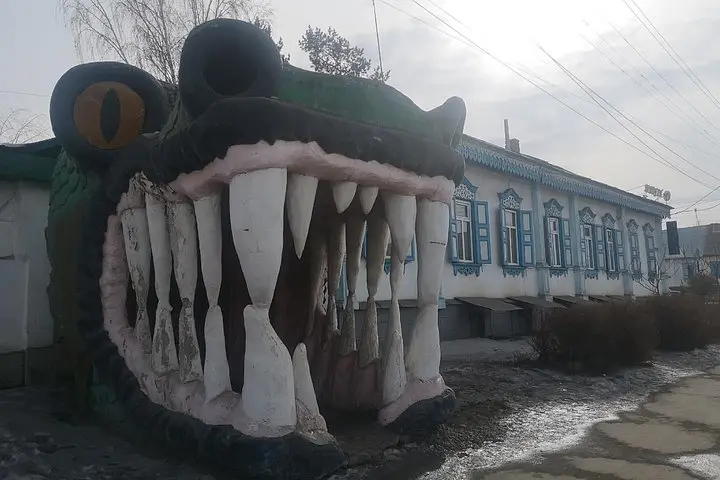
Steam of breath hangs in the morning air as you step onto Karakol’s compact streets, wood and stone buildings framing a skyline of distant Tian Shan ridges. The town moves at a deliberate pace — buses hiss, vendors arrange dairy cheeses, and a wooden church sits solemnly beneath spruce branches. This three-hour walk threads museums, mosques, and neighborhood lanes to trace the town’s role on historic trade arteries.
Verified experiences and guided adventures in the surrounding area.
Operated by Petr Kuznetsov · Karakol, Issyk-Kul Region
Steam of breath hangs in the morning air as you step onto Karakol’s compact streets, wood and stone buildings framing a skyline of distant Tian Shan ridges. The town moves at a deliberate pace — buses hiss, vendors arrange dairy cheeses, and a wooden church sits solemnly beneath spruce branches. This three-hour walk threads museums, mosques, and neighborhood lanes to trace the town’s role on historic trade arteries.
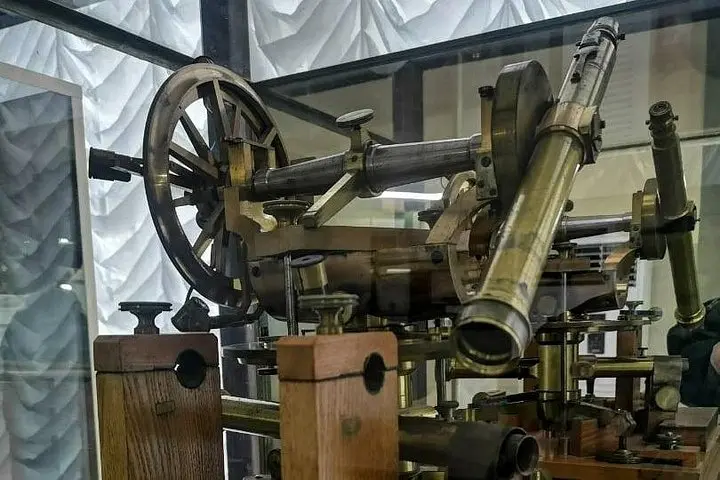
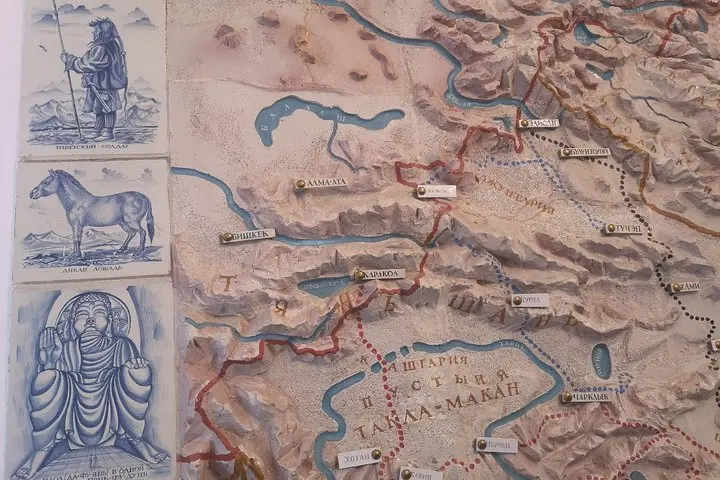
Karakol grew where Silk Road routes and Russian imperial expeditions intersected. The Historical Museum and Przhevalsky Traveler’s Museum anchor the narrative: ethnographic collections, explorer-era maps, and relics that show how trade, migration and empire shaped local life. The Dungan Mosque — built without metal fastenings by Chinese Muslims resettled on Issyk-Kul’s shores — demonstrates cross-cultural craft and survival. Geologically, Karakol sits on the eastern edge of a high-altitude basin fed by glacial streams from the Tian Shan; that proximity explains local hot springs and alpine meadows nearby.
Practical guidance: wear stable walking shoes for mixed pavement and uneven village lanes, and allow time for a municipal bus ride to the Dungan quarter or a short taxi if you prefer. Bring som small-denomination som and a passport for some museum entries. Summer afternoons are warm and bright; spring and autumn bring cool mornings and variable showers. Respect places of worship by removing hats and speaking quietly inside.
Expect an easy-paced cultural loop that pairs tight urban history with clear pointers to natural side trips — Jety-Oguz Gorge, Altyn Arashan and Ak-Suu baths — if you want to trade town lanes for high-mountain trails.
The tour is about three hours and covers the Historical Museum, the wooden church area, the Dungan Mosque neighborhood, Przhevalsky Traveler’s Museum and a local monument park with contextual history.
Yes; the pace is gentle and suitable for families. Some streets and museum exhibits require short walks; notify the operator about mobility needs so routes can be adjusted.
Private tours commonly run in English and Russian; confirm language at booking. Some museum admissions are included per itinerary notes, but have local fees for certain exhibits—bring small cash just in case.
A full refund is available if you cancel at least 24 hours before the scheduled departure; cancellations within 24 hours are not refundable.
Petr Kuznetsov operates guided outdoor trips and adventures with an emphasis on safety, stewardship, and memorable experiences.
Steam of breath hangs in the morning air as you step onto Karakol’s compact streets, wood and stone buildings framing a skyline of distant Tian Shan ridges. The town moves at a deliberate pace — buses hiss, vendors arrange dairy cheeses, and a wooden church sits solemnly beneath spruce branches. This three-hour walk threads museums, mosques, and neighborhood lanes to trace the town’s role on historic trade arteries.
Steam of breath hangs in the morning air as you step onto Karakol’s compact streets, wood and stone buildings framing a skyline of distant Tian Shan ridges. The town moves at a deliberate pace — buses hiss, vendors arrange dairy cheeses, and a wooden church sits solemnly beneath spruce branches. This three-hour walk threads museums, mosques, and neighborhood lanes to trace the town’s role on historic trade arteries.
Karakol grew where Silk Road routes and Russian imperial expeditions intersected. The Historical Museum and Przhevalsky Traveler’s Museum anchor the narrative: ethnographic collections, explorer-era maps, and relics that show how trade, migration and empire shaped local life. The Dungan Mosque — built without metal fastenings by Chinese Muslims resettled on Issyk-Kul’s shores — demonstrates cross-cultural craft and survival. Geologically, Karakol sits on the eastern edge of a high-altitude basin fed by glacial streams from the Tian Shan; that proximity explains local hot springs and alpine meadows nearby.
Practical guidance: wear stable walking shoes for mixed pavement and uneven village lanes, and allow time for a municipal bus ride to the Dungan quarter or a short taxi if you prefer. Bring som small-denomination som and a passport for some museum entries. Summer afternoons are warm and bright; spring and autumn bring cool mornings and variable showers. Respect places of worship by removing hats and speaking quietly inside.
Expect an easy-paced cultural loop that pairs tight urban history with clear pointers to natural side trips — Jety-Oguz Gorge, Altyn Arashan and Ak-Suu baths — if you want to trade town lanes for high-mountain trails.