THE ADVENTURE COLLECTIVE® · Independent discovery and booking for outdoor travel

Cruise Karavasta Lagoon from Durrës for close pelican sightings, a walk on wooden boardwalks, and a panoramic climb to Kulla 360. This half-day tour blends wildlife viewing, local culture, and a relaxed beach stop.
Cruise Karavasta Lagoon from Durrës for close pelican sightings, a walk on wooden boardwalks, and a panoramic climb to Kulla 360. This half-day tour blends wildlife viewing, local culture, and a relaxed beach stop.
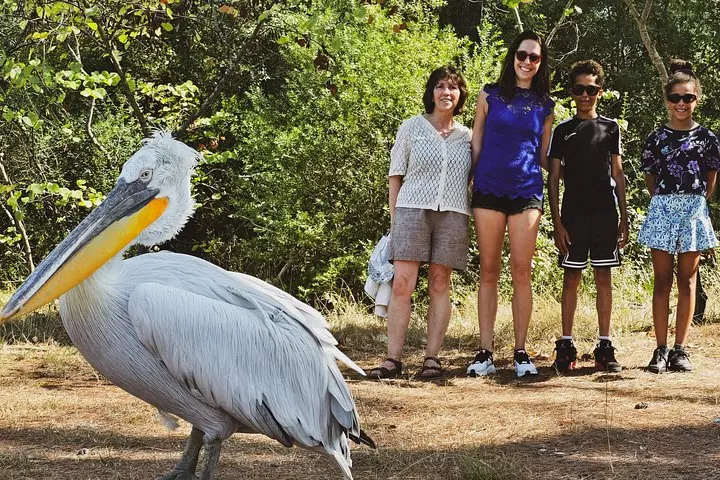
A low sun glints off the lagoon as the boat slips away from the port of Durrës, and the city’s noise thins into wind and water. Within minutes the shoreline reshapes itself—wide sand, reed edges, and a long ribbon of calm water where birds thread the sky. Onboard, binoculars pass from hand to hand; a guide points out the first grey-white silhouette of a Dalmatian pelican, wings beating slow against an open horizon.
Verified experiences and guided adventures in the surrounding area.
Operated by Tok Tours · Divjakë, Fier
A low sun glints off the lagoon as the boat slips away from the port of Durrës, and the city’s noise thins into wind and water. Within minutes the shoreline reshapes itself—wide sand, reed edges, and a long ribbon of calm water where birds thread the sky. Onboard, binoculars pass from hand to hand; a guide points out the first grey-white silhouette of a Dalmatian pelican, wings beating slow against an open horizon.
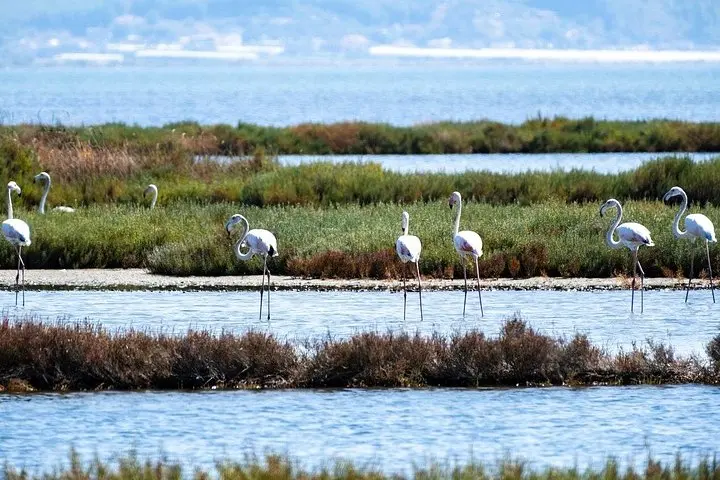
Divjakë-Karavasta National Park was formally protected in the 1990s to preserve one of the largest lagoons on the Adriatic. Geologically the lagoon is a shallow coastal wetland shaped by sediment deposition from both river and sea, creating reed beds, mudflats, and shifting sandbars that sustain migratory birds and small-scale fisheries. Local fishing traditions remain visible—small boats, fixed nets, and seasonal catches that connect communities to the water.
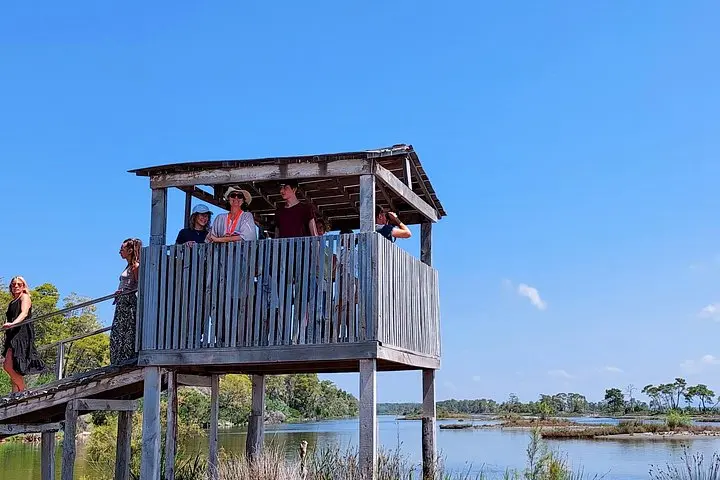
You’ll pause on a wooden boardwalk that threads the marsh, then climb the Kulla 360 watchtower for a full panorama of reeds, sea, and the low Albanian plain. The Visitor Center frames the ecology in clear language and outlines conservation work intended to protect endangered species.
Practical guidance: arrive with a light wind layer, sun protection, and sturdy shoes for boardwalks; the boat ride is calm but expect spray and movement. Morning trips are best for bird activity; afternoons offer softer light for photos and a quieter beach walk at Divjakë. Respect wildlife distances, follow guide instructions, and bring reusable water—this trip is about quiet observation and low-impact exploration.
Typical departures are 4–6 hours with hotel pickup from Durrës; the itinerary includes a boat trip on the lagoon, a boardwalk walk, Kulla 360, the Visitor Center, and a beach stop.
Pelicans are one of the lagoon’s signature species and are commonly seen, especially on morning trips, though sightings cannot be guaranteed due to wildlife variability.
Yes—there is free time for a beach walk or swim, but water conditions vary; follow guide advice about safe spots and currents.
The tour is rated easy and suitable for most, but it involves boarding a boat and walking short distances on sometimes uneven boardwalks; notify the operator of mobility needs when booking.
Tok Tours operates guided outdoor trips and adventures with an emphasis on safety, stewardship, and memorable experiences.
A low sun glints off the lagoon as the boat slips away from the port of Durrës, and the city’s noise thins into wind and water. Within minutes the shoreline reshapes itself—wide sand, reed edges, and a long ribbon of calm water where birds thread the sky. Onboard, binoculars pass from hand to hand; a guide points out the first grey-white silhouette of a Dalmatian pelican, wings beating slow against an open horizon.
A low sun glints off the lagoon as the boat slips away from the port of Durrës, and the city’s noise thins into wind and water. Within minutes the shoreline reshapes itself—wide sand, reed edges, and a long ribbon of calm water where birds thread the sky. Onboard, binoculars pass from hand to hand; a guide points out the first grey-white silhouette of a Dalmatian pelican, wings beating slow against an open horizon.
Divjakë-Karavasta National Park was formally protected in the 1990s to preserve one of the largest lagoons on the Adriatic. Geologically the lagoon is a shallow coastal wetland shaped by sediment deposition from both river and sea, creating reed beds, mudflats, and shifting sandbars that sustain migratory birds and small-scale fisheries. Local fishing traditions remain visible—small boats, fixed nets, and seasonal catches that connect communities to the water.
You’ll pause on a wooden boardwalk that threads the marsh, then climb the Kulla 360 watchtower for a full panorama of reeds, sea, and the low Albanian plain. The Visitor Center frames the ecology in clear language and outlines conservation work intended to protect endangered species.
Practical guidance: arrive with a light wind layer, sun protection, and sturdy shoes for boardwalks; the boat ride is calm but expect spray and movement. Morning trips are best for bird activity; afternoons offer softer light for photos and a quieter beach walk at Divjakë. Respect wildlife distances, follow guide instructions, and bring reusable water—this trip is about quiet observation and low-impact exploration.