THE ADVENTURE COLLECTIVE® · Independent discovery and booking for outdoor travel

Experience Karnak lit up in a cinematic sound-and-light production, then drift along the Nile in a horse-drawn carriage. This easy evening tour combines theatrical history with riverside atmosphere—ideal for travelers who want culture after dusk.
Experience Karnak lit up in a cinematic sound-and-light production, then drift along the Nile in a horse-drawn carriage. This easy evening tour combines theatrical history with riverside atmosphere—ideal for travelers who want culture after dusk.
The sun has given up the Nile and the stone colonnades begin to catch a different kind of light. Lanterns glow along the temple approach, and Karnak’s pylons and obelisks bloom into color as soundtracks roll beneath the night sky. For two to four hours you move between eras: a staged, cinematic retelling of Thebes’ pharaohs at Karnak, followed by a slow horse-drawn carriage ride along Luxor’s riverfront where the Nile dares you to slow down and listen.
Verified experiences and guided adventures in the surrounding area.
Operated by Menatours · Luxor, Luxor Governorate
The sun has given up the Nile and the stone colonnades begin to catch a different kind of light. Lanterns glow along the temple approach, and Karnak’s pylons and obelisks bloom into color as soundtracks roll beneath the night sky. For two to four hours you move between eras: a staged, cinematic retelling of Thebes’ pharaohs at Karnak, followed by a slow horse-drawn carriage ride along Luxor’s riverfront where the Nile dares you to slow down and listen.
Karnak is not a single temple but a complex built and rebuilt across millennia for the god Amun; much of what you see is sandstone and granite hewn and positioned by pharaohs from the Middle Kingdom through the Ptolemaic period. The light-and-sound production casts those blocks into relief, animating stories of conquest, ritual and civic life. Luxor itself sits on the Nile floodplain; the city’s streets, temples and corniche reflect a long history of trade, ritual, and seasonal flooding that shaped local culture.
Practical guidance: the show runs at night and seating or standing room can vary—confirm pickup and exact start time with the operator. Dress modestly for an evening in public spaces and bring a light jacket for the river breeze. Photography is possible but expect low-light conditions; a small tripod or steady hand helps. Cash in small bills is useful for tips, incidental purchases and any extras you want on the carriage ride. The experience is low-effort physically but high in atmosphere—ideal for travelers who want an active evening that feels both historic and immediate.
According to the itinerary, entrance fees to the mentioned sights are included in the tour price.
Yes—this private tour includes hotel pickup and drop-off; you’ll specify a pickup point when booking.
Yes—physical demands are low, making it appropriate for families and older guests, though nighttime logistics should be considered.
Photography is generally allowed, but low light limits results; avoid flash that could disrupt the production and other visitors.
Menatours operates guided outdoor trips and adventures with an emphasis on safety, stewardship, and memorable experiences.
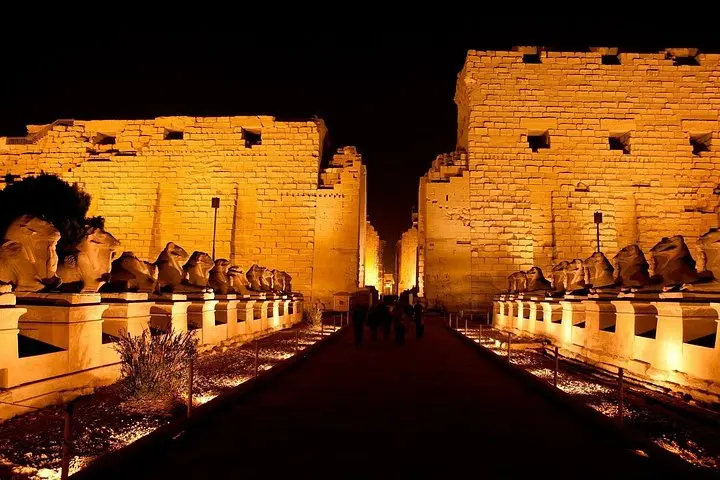
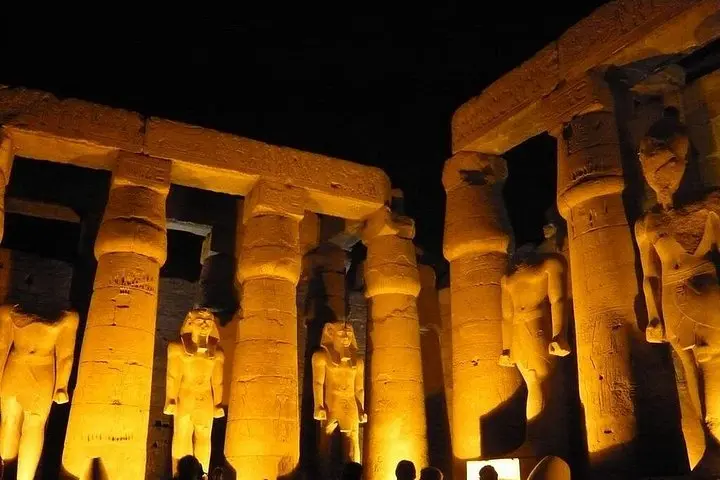
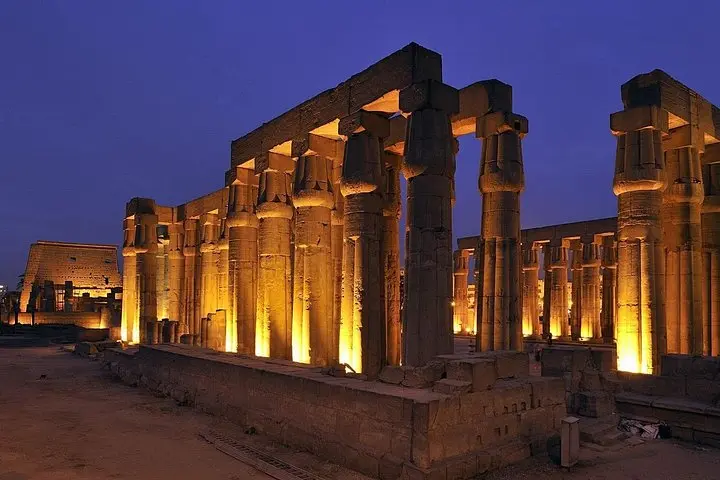
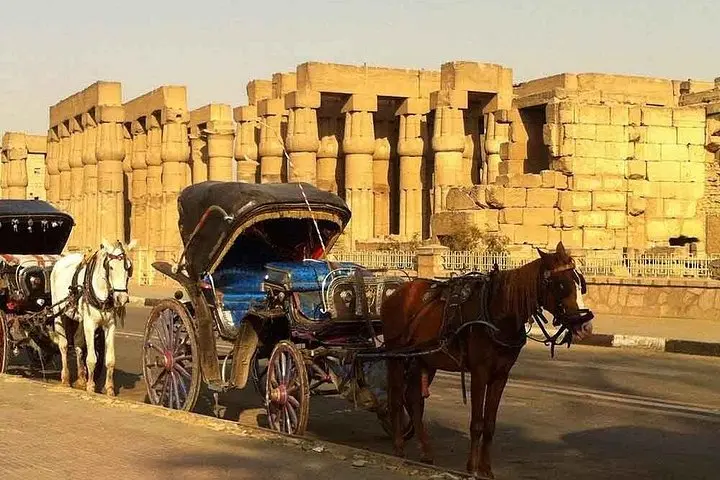
The sun has given up the Nile and the stone colonnades begin to catch a different kind of light. Lanterns glow along the temple approach, and Karnak’s pylons and obelisks bloom into color as soundtracks roll beneath the night sky. For two to four hours you move between eras: a staged, cinematic retelling of Thebes’ pharaohs at Karnak, followed by a slow horse-drawn carriage ride along Luxor’s riverfront where the Nile dares you to slow down and listen.
The sun has given up the Nile and the stone colonnades begin to catch a different kind of light. Lanterns glow along the temple approach, and Karnak’s pylons and obelisks bloom into color as soundtracks roll beneath the night sky. For two to four hours you move between eras: a staged, cinematic retelling of Thebes’ pharaohs at Karnak, followed by a slow horse-drawn carriage ride along Luxor’s riverfront where the Nile dares you to slow down and listen.
Karnak is not a single temple but a complex built and rebuilt across millennia for the god Amun; much of what you see is sandstone and granite hewn and positioned by pharaohs from the Middle Kingdom through the Ptolemaic period. The light-and-sound production casts those blocks into relief, animating stories of conquest, ritual and civic life. Luxor itself sits on the Nile floodplain; the city’s streets, temples and corniche reflect a long history of trade, ritual, and seasonal flooding that shaped local culture.
Practical guidance: the show runs at night and seating or standing room can vary—confirm pickup and exact start time with the operator. Dress modestly for an evening in public spaces and bring a light jacket for the river breeze. Photography is possible but expect low-light conditions; a small tripod or steady hand helps. Cash in small bills is useful for tips, incidental purchases and any extras you want on the carriage ride. The experience is low-effort physically but high in atmosphere—ideal for travelers who want an active evening that feels both historic and immediate.