THE ADVENTURE COLLECTIVE® · Independent discovery and booking for outdoor travel

Pair the monumental scale of Karnak Temple with a calm kayak trip on the Nile for a half‑day that blends ancient history and active exploration. Expect guided temple access, a safety briefing, provided kayaks, and river views of Luxor’s everyday life.
Pair the monumental scale of Karnak Temple with a calm kayak trip on the Nile for a half‑day that blends ancient history and active exploration. Expect guided temple access, a safety briefing, provided kayaks, and river views of Luxor’s everyday life.
You step off the air‑conditioned vehicle into a wind that seems to carry millennia—sand, sun, and the dry heat that has baked this river valley for ages.
Verified experiences and guided adventures in the surrounding area.
Operated by Luxor Taxi - DayTour · Luxor, Luxor Governorate
You step off the air‑conditioned vehicle into a wind that seems to carry millennia—sand, sun, and the dry heat that has baked this river valley for ages.
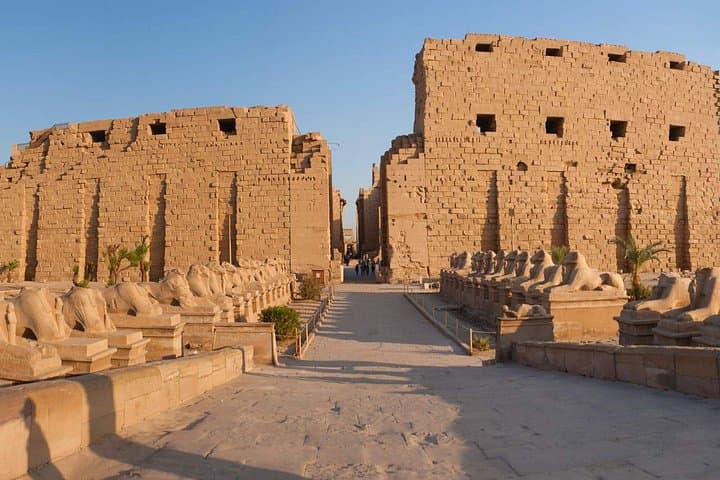
Karnak’s pylons loom ahead: blocks hewn by pharaohs, inscriptions recording wars, offerings, and the names of rulers who kept adding to the place over 1,000 years. After a guided walk through colonnades and open courts you’ll cross to the Nile’s edge where the river waits, broad and patient, urging you into a different kind of history.
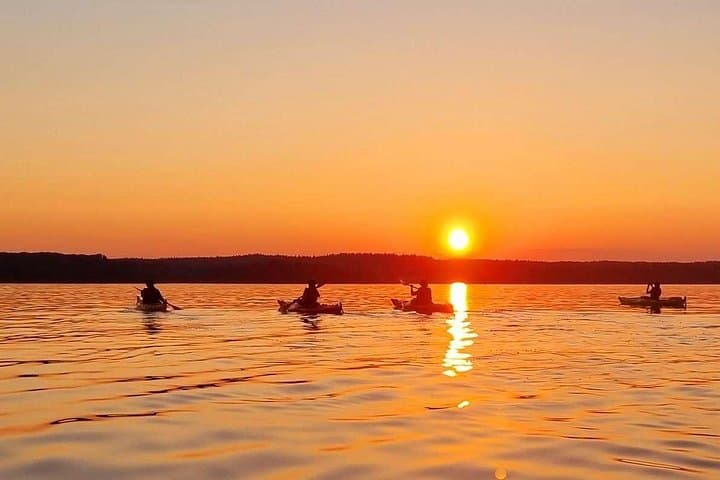
The Nile here has shaped Luxor’s soils and settlements since antiquity; river islands and palm fringes formed from Nile silt create the green margins you’ll paddle past. Culturally, the route connects temple precincts, small riverside cafés, and working feluccas—the living landscape of modern Egypt rubbing shoulders with ancient stone.
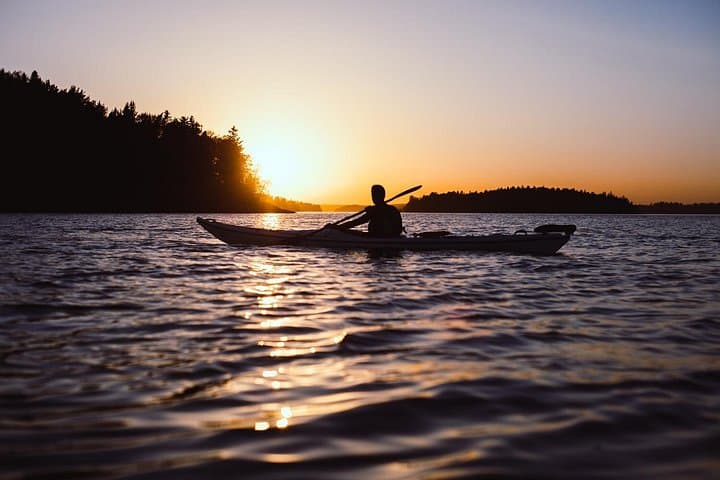
Practicalities come next: the combined itinerary is half‑day (about 3–4 hours), with a licensed guide, transport between sites, a kayaking safety briefing, and provided kayaks and lifejackets. Karnak entrance is handled separately in most cases—bring local payment. Expect flat, calm paddling on the west bank in morning light; afternoons can be hotter and windier.
Pack sun protection, a filled water bottle, and a small dry bag for phone and camera. Move deliberately around carved reliefs (no touching) and keep an eye out for local fishermen and waterbirds as you glide by—this is outdoor travel that pairs big‑scale archaeology with hands‑on river time.
Most operator itineraries don’t include the Karnak Temple entrance fee—bring Egyptian pounds or a card and confirm with your booking; the kayak portion and equipment are typically provided.
Yes—the section of the Nile used for this trip is generally calm and the guide provides a safety briefing and basic instruction for first‑time paddlers.
Transfers to and from Karnak and the river are usually included; confirm your pickup point when booking and have your hotel name ready.
Light, breathable clothing that covers shoulders for the temple, quick‑dry shorts or pants for paddling, and sturdy footwear that can get wet are recommended.
Luxor Taxi - DayTour operates guided outdoor trips and adventures with an emphasis on safety, stewardship, and memorable experiences.

You step off the air‑conditioned vehicle into a wind that seems to carry millennia—sand, sun, and the dry heat that has baked this river valley for ages.
You step off the air‑conditioned vehicle into a wind that seems to carry millennia—sand, sun, and the dry heat that has baked this river valley for ages.
Karnak’s pylons loom ahead: blocks hewn by pharaohs, inscriptions recording wars, offerings, and the names of rulers who kept adding to the place over 1,000 years. After a guided walk through colonnades and open courts you’ll cross to the Nile’s edge where the river waits, broad and patient, urging you into a different kind of history.
The Nile here has shaped Luxor’s soils and settlements since antiquity; river islands and palm fringes formed from Nile silt create the green margins you’ll paddle past. Culturally, the route connects temple precincts, small riverside cafés, and working feluccas—the living landscape of modern Egypt rubbing shoulders with ancient stone.
Practicalities come next: the combined itinerary is half‑day (about 3–4 hours), with a licensed guide, transport between sites, a kayaking safety briefing, and provided kayaks and lifejackets. Karnak entrance is handled separately in most cases—bring local payment. Expect flat, calm paddling on the west bank in morning light; afternoons can be hotter and windier.
Pack sun protection, a filled water bottle, and a small dry bag for phone and camera. Move deliberately around carved reliefs (no touching) and keep an eye out for local fishermen and waterbirds as you glide by—this is outdoor travel that pairs big‑scale archaeology with hands‑on river time.