THE ADVENTURE COLLECTIVE® · Independent discovery and booking for outdoor travel

Spend a day around Karongi (Kibuye) exploring Lake Kivu’s shoreline, birding along forested trails, and watching monkeys in the canopy. This guided day trip mixes easy hikes, lakeside swims, and local farming visits against the dramatic backdrop of the Albertine Rift.
Spend a day around Karongi (Kibuye) exploring Lake Kivu’s shoreline, birding along forested trails, and watching monkeys in the canopy. This guided day trip mixes easy hikes, lakeside swims, and local farming visits against the dramatic backdrop of the Albertine Rift.
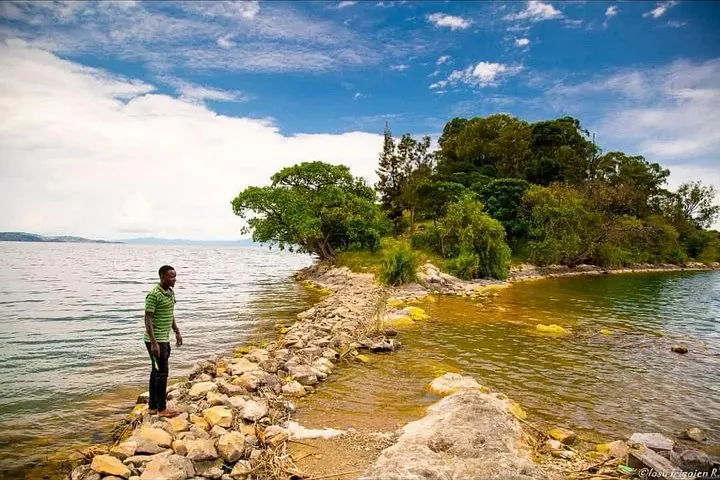
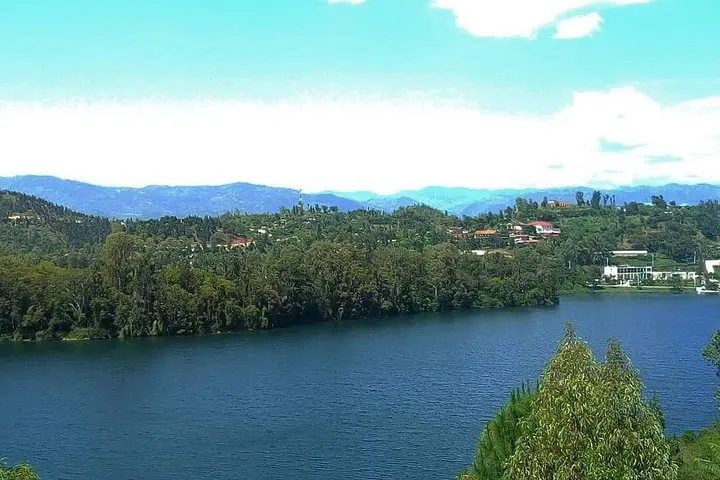
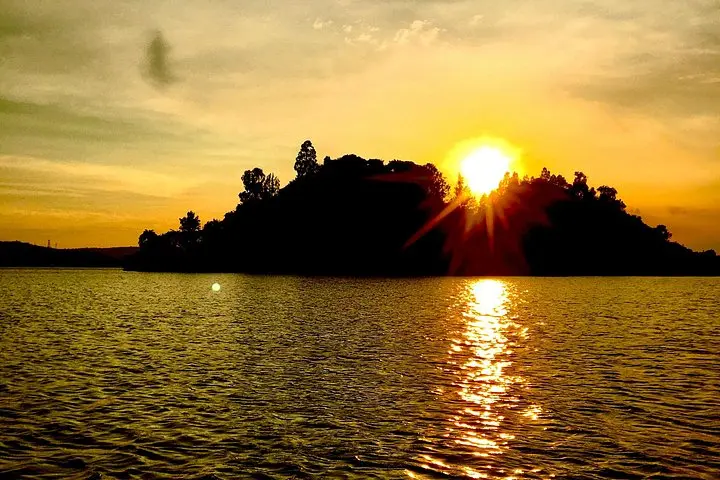
Mist hangs low over the western arm of Lake Kivu as a single boat slips from Karongi’s fishing jetty, the water daring you toward the island-studded horizon. A day here moves between shaded bush tracks, lakeshore wind, and quick climbs that open to wide views of the Albertine Rift; primates chatter in the canopy while kingfishers flash along rocky coves.
Verified experiences and guided adventures in the surrounding area.
Operated by Rwanda travel Experts · Karongi (Kibuye), Western Province
Mist hangs low over the western arm of Lake Kivu as a single boat slips from Karongi’s fishing jetty, the water daring you toward the island-studded horizon. A day here moves between shaded bush tracks, lakeshore wind, and quick climbs that open to wide views of the Albertine Rift; primates chatter in the canopy while kingfishers flash along rocky coves.
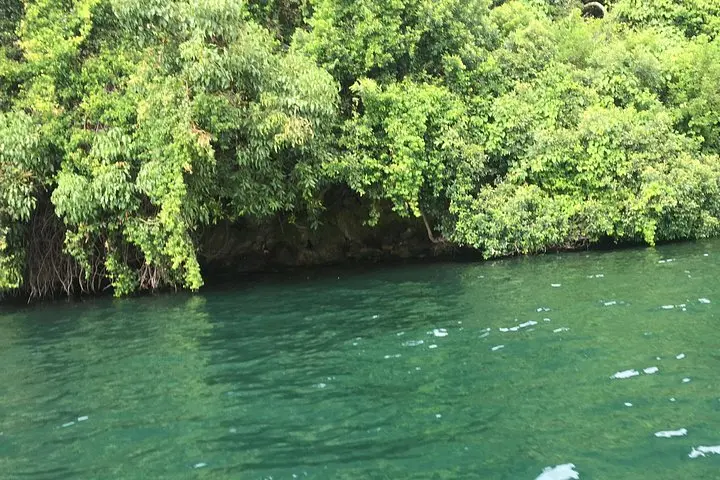
The route traces part of the Congo–Nile divide, a geological seam that shapes steep escarpments and fertile valleys, and the area’s human story is one of lakeside fishing settlements and smallholder farms that shaped local culture and cuisine. The flora reflects the Rift’s diversity: papyrus at the waterline, mixed montane forest higher up, and agricultural plots etched into hillsides.
Expect mixed terrain—compact footpaths, rocky shoreline, and short bush scrambles—ideal for birding, primate sightings, and short swims in calm bays. Guides point out endemic species and tell the history of the Congo–Nil trail, explaining how water and ridge lines directed settlement and trade.
Practical essentials: start early to avoid midday heat, carry water and sunscreen, and be ready for sudden showers in the highlands. Wear grippy shoes for wet rocks and bring binoculars for birds and monkeys. Local snacks and fruit are usually available; ask about conservation fees or community contributions. Whether pacing a shoreline walk or following a ridge through forest, this is a measured day of wildlife, shallow swims, and lake-breathing vistas that reward steady walkers with intimate encounters and clear views across Lake Kivu.
The guided day trip typically lasts 6–8 hours at a steady but unhurried pace with stops for wildlife viewing, short swims, and village visits.
Some sections include uneven ground and short scrambles; children and those with limited mobility may find parts challenging—ask the operator about accessible options.
Yes—calm bays are often suitable for short swims; check water clarity, depth, and local guidance before entering.
Local guides typically have strong knowledge of birdlife, primates, and the Congo–Nil trail history and often share cultural context about lakeside farming communities.
Rwanda travel Experts operates guided outdoor trips and adventures with an emphasis on safety, stewardship, and memorable experiences.
Mist hangs low over the western arm of Lake Kivu as a single boat slips from Karongi’s fishing jetty, the water daring you toward the island-studded horizon. A day here moves between shaded bush tracks, lakeshore wind, and quick climbs that open to wide views of the Albertine Rift; primates chatter in the canopy while kingfishers flash along rocky coves.
Mist hangs low over the western arm of Lake Kivu as a single boat slips from Karongi’s fishing jetty, the water daring you toward the island-studded horizon. A day here moves between shaded bush tracks, lakeshore wind, and quick climbs that open to wide views of the Albertine Rift; primates chatter in the canopy while kingfishers flash along rocky coves.
The route traces part of the Congo–Nile divide, a geological seam that shapes steep escarpments and fertile valleys, and the area’s human story is one of lakeside fishing settlements and smallholder farms that shaped local culture and cuisine. The flora reflects the Rift’s diversity: papyrus at the waterline, mixed montane forest higher up, and agricultural plots etched into hillsides.
Expect mixed terrain—compact footpaths, rocky shoreline, and short bush scrambles—ideal for birding, primate sightings, and short swims in calm bays. Guides point out endemic species and tell the history of the Congo–Nil trail, explaining how water and ridge lines directed settlement and trade.
Practical essentials: start early to avoid midday heat, carry water and sunscreen, and be ready for sudden showers in the highlands. Wear grippy shoes for wet rocks and bring binoculars for birds and monkeys. Local snacks and fruit are usually available; ask about conservation fees or community contributions. Whether pacing a shoreline walk or following a ridge through forest, this is a measured day of wildlife, shallow swims, and lake-breathing vistas that reward steady walkers with intimate encounters and clear views across Lake Kivu.