THE ADVENTURE COLLECTIVE® · Independent discovery and booking for outdoor travel

Drive the wild Karpaz Peninsula for an easy day of blue-water swims, roadside wild donkeys, and a guided stop at the restored Apostolos Andreas Monastery. Ideal for nature lovers who want low-hassle history and a Mediterranean dip.
Drive the wild Karpaz Peninsula for an easy day of blue-water swims, roadside wild donkeys, and a guided stop at the restored Apostolos Andreas Monastery. Ideal for nature lovers who want low-hassle history and a Mediterranean dip.
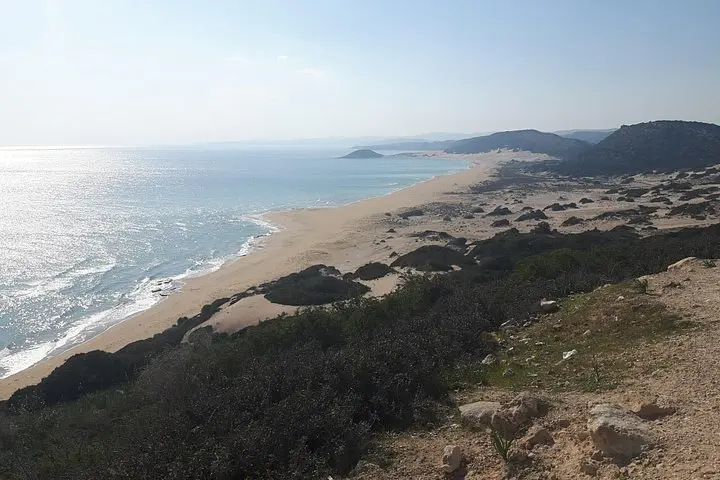
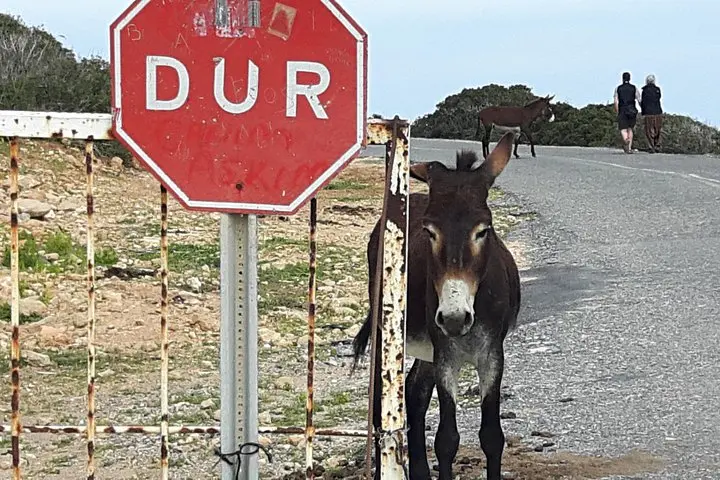
You pull off the coastal road and the soundscape changes: the engine idles, wind takes over, and a scatter of sandy headlands and low scrub opens toward a blue that seems to push back at the shore. The Karpaz (Karpasia) Peninsula stretches roughly 80 km into the northeast of Cyprus — a place where wild donkeys roam the roadside and the Mediterranean invites an obligatory swim.
Verified experiences and guided adventures in the surrounding area.
Operated by Sirin Suha · Dipkarpaz (Rizokarpaso), Northern Cyprus
You pull off the coastal road and the soundscape changes: the engine idles, wind takes over, and a scatter of sandy headlands and low scrub opens toward a blue that seems to push back at the shore. The Karpaz (Karpasia) Peninsula stretches roughly 80 km into the northeast of Cyprus — a place where wild donkeys roam the roadside and the Mediterranean invites an obligatory swim.
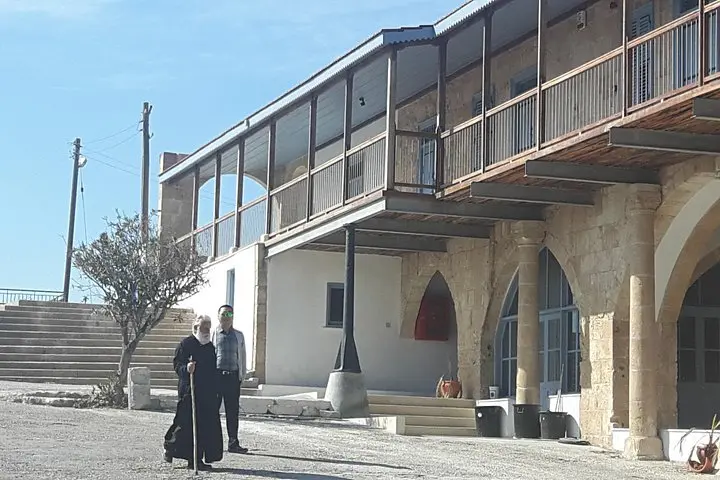
The day tour threads together natural history and simple human stories. Geologically the peninsula is composed of limestone outcrops and sandy spits that form long beaches and shallow bays; culturally it’s anchored by the Apostolos Andreas Monastery at the tip, recently restored with UNDP support and still a pilgrimage site for Orthodox Christians. Small fishing villages and lone shepherds recall a quieter, rural life here.
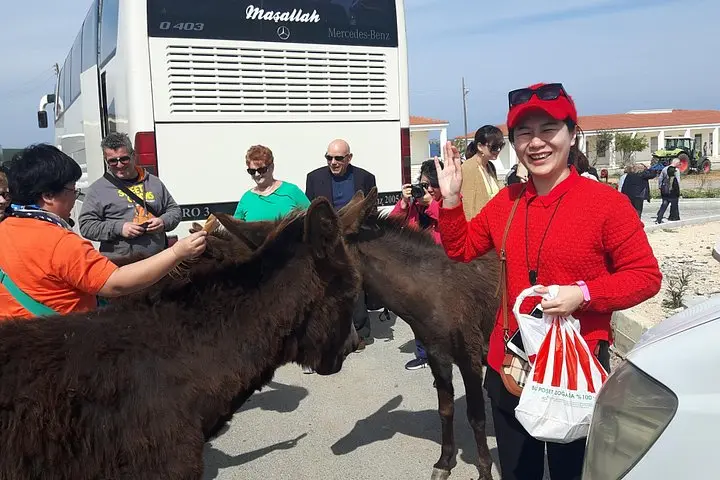
Expect a drive of 6–8 hours with multiple short stops: coffee and photo breaks, a guided visit to the monastery, a stretch at a remote beach for swimming, and chances to encounter the peninsula’s free-roaming donkeys. Roads are mostly paved but can be narrow; some short walks are over sand or uneven rock. The swim break is a highlight — clear, cool water off shallow sandbars — so pack swimwear and a towel.
Practical notes: bring sun protection, refillable water, light layers for coastal wind, and small change for village purchases. Donkeys are charismatic but feed them only safe, plain food (no human junk), and follow guides’ advice around nesting beaches. This is an easy, low-impact day outdoors that rewards patience, a camera, and respect for a fragile seaside landscape.
Pickup is offered from selected hotels (usually in Kyrenia); your booking should specify a pickup point — confirm at time of reservation.
Stops include cafes for coffee and basic snacks; public toilets are available at some stops but not continuously, so plan accordingly.
Yes, but only with safe food like carrots or apple slices; follow the guide’s instructions to avoid upsetting local wildlife or causing harm.
Yes — the swim break is in calm, clear Mediterranean water; check conditions with your guide and avoid entering the water if seas are rough.
Sirin Suha operates guided outdoor trips and adventures with an emphasis on safety, stewardship, and memorable experiences.
You pull off the coastal road and the soundscape changes: the engine idles, wind takes over, and a scatter of sandy headlands and low scrub opens toward a blue that seems to push back at the shore. The Karpaz (Karpasia) Peninsula stretches roughly 80 km into the northeast of Cyprus — a place where wild donkeys roam the roadside and the Mediterranean invites an obligatory swim.
You pull off the coastal road and the soundscape changes: the engine idles, wind takes over, and a scatter of sandy headlands and low scrub opens toward a blue that seems to push back at the shore. The Karpaz (Karpasia) Peninsula stretches roughly 80 km into the northeast of Cyprus — a place where wild donkeys roam the roadside and the Mediterranean invites an obligatory swim.
The day tour threads together natural history and simple human stories. Geologically the peninsula is composed of limestone outcrops and sandy spits that form long beaches and shallow bays; culturally it’s anchored by the Apostolos Andreas Monastery at the tip, recently restored with UNDP support and still a pilgrimage site for Orthodox Christians. Small fishing villages and lone shepherds recall a quieter, rural life here.
Expect a drive of 6–8 hours with multiple short stops: coffee and photo breaks, a guided visit to the monastery, a stretch at a remote beach for swimming, and chances to encounter the peninsula’s free-roaming donkeys. Roads are mostly paved but can be narrow; some short walks are over sand or uneven rock. The swim break is a highlight — clear, cool water off shallow sandbars — so pack swimwear and a towel.
Practical notes: bring sun protection, refillable water, light layers for coastal wind, and small change for village purchases. Donkeys are charismatic but feed them only safe, plain food (no human junk), and follow guides’ advice around nesting beaches. This is an easy, low-impact day outdoors that rewards patience, a camera, and respect for a fragile seaside landscape.