THE ADVENTURE COLLECTIVE® · Independent discovery and booking for outdoor travel

A short, accessible hike from old Karuizawa Ginza up the Suigaki Pass leads to Mikarudai viewpoint and the rare border-straddling Kumano Imperial Shrine. Perfect for a 1–2 hour outing with big alpine and volcanic views.
A short, accessible hike from old Karuizawa Ginza up the Suigaki Pass leads to Mikarudai viewpoint and the rare border-straddling Kumano Imperial Shrine. Perfect for a 1–2 hour outing with big alpine and volcanic views.
Dawn light thins through the pines as hikers depart the old Karuizawa Ginza and step onto the Suigaki Pass promenade. The boardwalk eases up a wooded slope for about an hour, opening suddenly at Mikarudai: a viewpoint that can lay out Mt. Asama, Yatsugatake, the Southern Alps and, on clear mornings, a sea of clouds spilling below like slow water daring you to move closer.
Verified experiences and guided adventures in the surrounding area.
Operated by 軽井沢スタイルドツアー · Karuizawa, Nagano
Dawn light thins through the pines as hikers depart the old Karuizawa Ginza and step onto the Suigaki Pass promenade. The boardwalk eases up a wooded slope for about an hour, opening suddenly at Mikarudai: a viewpoint that can lay out Mt. Asama, Yatsugatake, the Southern Alps and, on clear mornings, a sea of clouds spilling below like slow water daring you to move closer.
This route sits on a historic stretch of the Nakasendo, the Edo-period road that linked Tokyo and Kyoto; former inns and teahouses along old Karuizawa Ginza recall that trade and travel. Geologically, the view sweeps volcanic cones (Mt. Asama) and folded ranges; culturally, the area mixes Shinto power spots—Kumano Imperial Shrine straddles a border—with modern villa forests used for quiet retreats.
Practically, the walk is short and accessible: plan 1–2 hours round trip on a well-maintained promenade with gentle grade and wooden boardwalk sections. Expect compacted dirt, some exposed roots and a few stone steps near the viewpoint. Bring layers for high-visibility mornings, water, and cash for the teahouse near the shrine. Options on return include retracing the promenade or catching a local bus back to old Karuizawa. Respect shrine etiquette, stay on marked paths to protect understory plants, and time the outing for early morning or late afternoon light to avoid crowds and get the best views.
The promenade to the viewing station takes about one hour each way from old Karuizawa Ginza; the entire outing is usually 1–2 hours depending on stops.
Yes; the walk is gentle and on a maintained boardwalk with modest elevation gain, but those with mobility issues should check footing and avoid steep steps.
Yes; the shrine is a scheduled stop and hikers can spend time there after reaching the viewpoint—observe shrine etiquette and local rules.
You can return on foot along the same route or use local bus services from old Karuizawa; check seasonal timetables and plan for bus availability.
軽井沢スタイルドツアー operates guided outdoor trips and adventures with an emphasis on safety, stewardship, and memorable experiences.
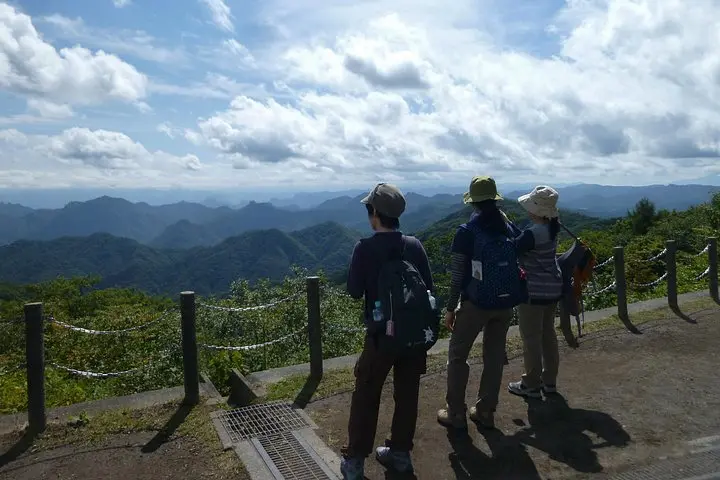
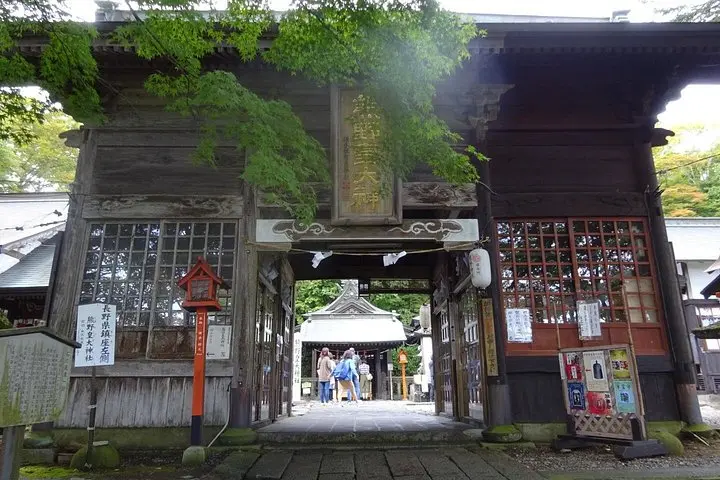
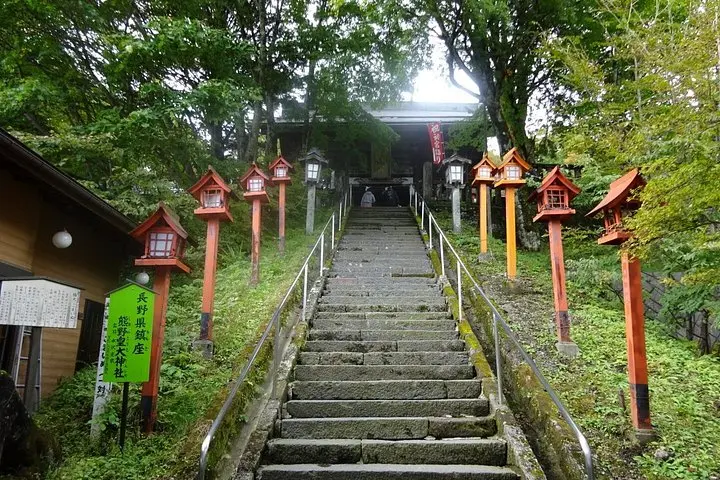
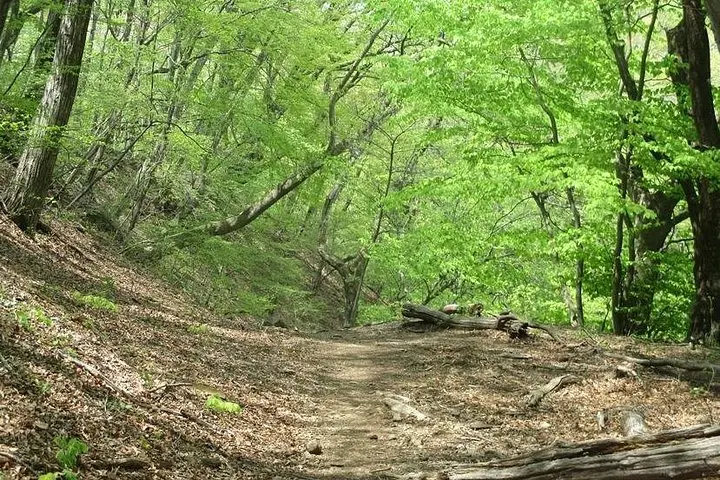
Dawn light thins through the pines as hikers depart the old Karuizawa Ginza and step onto the Suigaki Pass promenade. The boardwalk eases up a wooded slope for about an hour, opening suddenly at Mikarudai: a viewpoint that can lay out Mt. Asama, Yatsugatake, the Southern Alps and, on clear mornings, a sea of clouds spilling below like slow water daring you to move closer.
Dawn light thins through the pines as hikers depart the old Karuizawa Ginza and step onto the Suigaki Pass promenade. The boardwalk eases up a wooded slope for about an hour, opening suddenly at Mikarudai: a viewpoint that can lay out Mt. Asama, Yatsugatake, the Southern Alps and, on clear mornings, a sea of clouds spilling below like slow water daring you to move closer.
This route sits on a historic stretch of the Nakasendo, the Edo-period road that linked Tokyo and Kyoto; former inns and teahouses along old Karuizawa Ginza recall that trade and travel. Geologically, the view sweeps volcanic cones (Mt. Asama) and folded ranges; culturally, the area mixes Shinto power spots—Kumano Imperial Shrine straddles a border—with modern villa forests used for quiet retreats.
Practically, the walk is short and accessible: plan 1–2 hours round trip on a well-maintained promenade with gentle grade and wooden boardwalk sections. Expect compacted dirt, some exposed roots and a few stone steps near the viewpoint. Bring layers for high-visibility mornings, water, and cash for the teahouse near the shrine. Options on return include retracing the promenade or catching a local bus back to old Karuizawa. Respect shrine etiquette, stay on marked paths to protect understory plants, and time the outing for early morning or late afternoon light to avoid crowds and get the best views.