THE ADVENTURE COLLECTIVE® · Independent discovery and booking for outdoor travel

Walk quietly under cool Nagano pines with a naturalist guide and discover resident and migrant birds, Japanese squirrels, and wetland life in the Karuizawa Wild Bird Sanctuary. This two‑hour interpretive tour is an easy, wildlife-focused introduction to Japan’s montane forests.
Walk quietly under cool Nagano pines with a naturalist guide and discover resident and migrant birds, Japanese squirrels, and wetland life in the Karuizawa Wild Bird Sanctuary. This two‑hour interpretive tour is an easy, wildlife-focused introduction to Japan’s montane forests.
Morning light threads through tall conifers as your guide raises a finger and points—an ember of song bursts from the canopy. On this two‑hour stroll through the Karuizawa National Wild Bird Sanctuary, the forest feels alive and alert: Japanese squirrels flick tails on mossy branches, montane brown frogs call from wet pockets, and warblers flit along the understory.
Verified experiences and guided adventures in the surrounding area.
Operated by Picchio Wildlife Research Center · Karuizawa, Nagano
Morning light threads through tall conifers as your guide raises a finger and points—an ember of song bursts from the canopy. On this two‑hour stroll through the Karuizawa National Wild Bird Sanctuary, the forest feels alive and alert: Japanese squirrels flick tails on mossy branches, montane brown frogs call from wet pockets, and warblers flit along the understory.
The sanctuary sits in the shadow of Mount Asama, its volcanic soils and glacial history shaping a mix of peat pockets and cool broadleaf stands that support diverse bird life. Karuizawa itself grew into a summer refuge in the Meiji era; today the town’s forest reserves preserve that retreat‑era character while hosting modern nature interpretation.
Local guides (Japanese with basic English) lead a quiet, interpretive walk focused on species ID, behavior, and the forest’s ecological links—why dead wood matters, how seasonal floods reshape feeding grounds, and where migrant birds stop on their journeys.
Practical guidance: arrive early for the best songbird activity; bring binoculars and quiet footwear; respect no‑feed rules and stay on trails to protect fragile wetland edges. Public transport reaches Karuizawa Station; the sanctuary is a short taxi or bike ride away. Weather can change quickly at this elevation—layers and a light rain shell keep you comfortable.
For newcomers the tour is an accessible introduction to Japan’s montane woodlands: low mileage, high sensory reward, and the steady education of a naturalist who helps you see what the forest has been daring all along.
Guides lead the tour primarily in Japanese with basic English; interpretation quality in English can vary by guide.
The sanctuary is a short taxi or bicycle ride from Karuizawa Station; local buses and public transport options are also available nearby.
Yes—routes are low‑impact and the pace is leisurely, but participants should be able to walk on uneven ground for about two hours.
No guarantees—sightings depend on season, weather, and chance—but guides target likely spots for resident and migrant species to maximize viewing opportunities.
Picchio Wildlife Research Center operates guided outdoor trips and adventures with an emphasis on safety, stewardship, and memorable experiences.
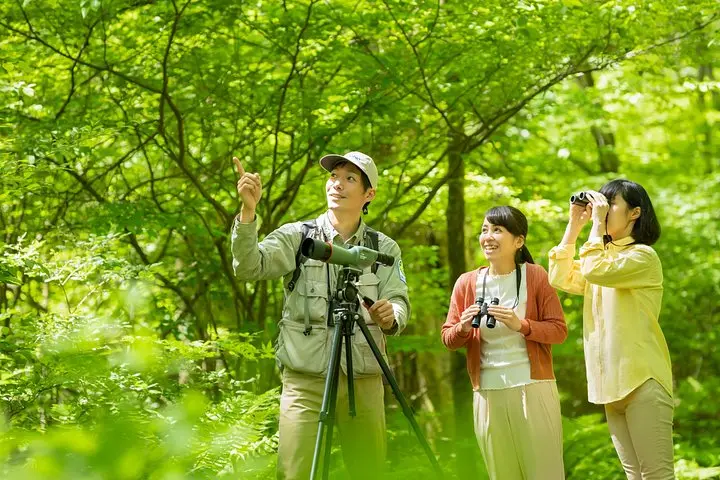
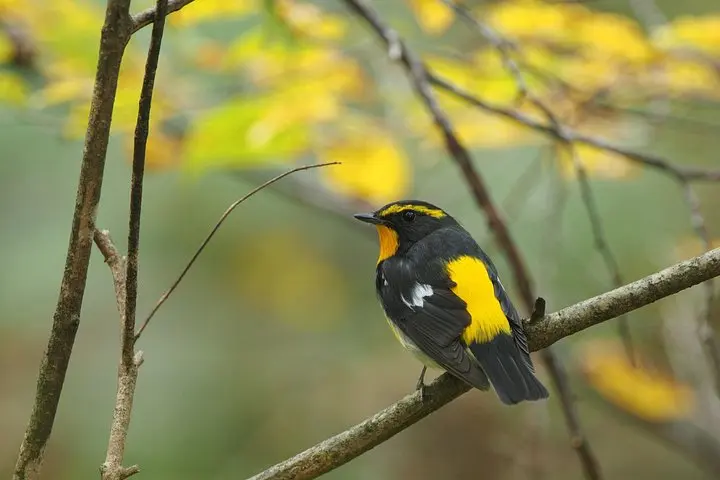
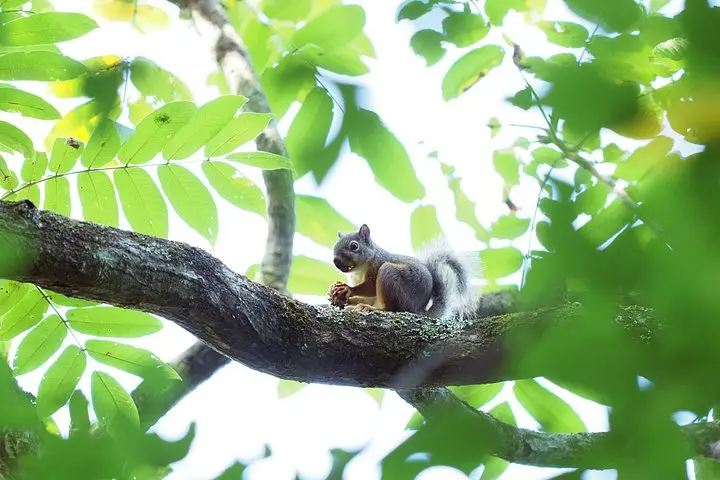
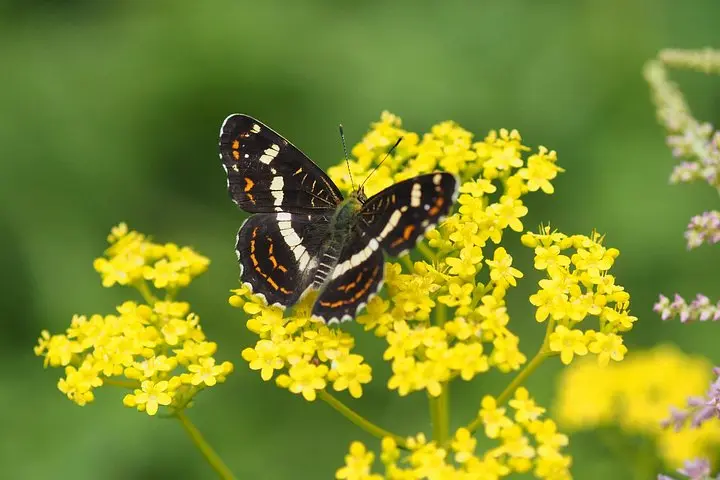
Morning light threads through tall conifers as your guide raises a finger and points—an ember of song bursts from the canopy. On this two‑hour stroll through the Karuizawa National Wild Bird Sanctuary, the forest feels alive and alert: Japanese squirrels flick tails on mossy branches, montane brown frogs call from wet pockets, and warblers flit along the understory.
Morning light threads through tall conifers as your guide raises a finger and points—an ember of song bursts from the canopy. On this two‑hour stroll through the Karuizawa National Wild Bird Sanctuary, the forest feels alive and alert: Japanese squirrels flick tails on mossy branches, montane brown frogs call from wet pockets, and warblers flit along the understory.
The sanctuary sits in the shadow of Mount Asama, its volcanic soils and glacial history shaping a mix of peat pockets and cool broadleaf stands that support diverse bird life. Karuizawa itself grew into a summer refuge in the Meiji era; today the town’s forest reserves preserve that retreat‑era character while hosting modern nature interpretation.
Local guides (Japanese with basic English) lead a quiet, interpretive walk focused on species ID, behavior, and the forest’s ecological links—why dead wood matters, how seasonal floods reshape feeding grounds, and where migrant birds stop on their journeys.
Practical guidance: arrive early for the best songbird activity; bring binoculars and quiet footwear; respect no‑feed rules and stay on trails to protect fragile wetland edges. Public transport reaches Karuizawa Station; the sanctuary is a short taxi or bike ride away. Weather can change quickly at this elevation—layers and a light rain shell keep you comfortable.
For newcomers the tour is an accessible introduction to Japan’s montane woodlands: low mileage, high sensory reward, and the steady education of a naturalist who helps you see what the forest has been daring all along.