THE ADVENTURE COLLECTIVE® · Independent discovery and booking for outdoor travel

Spend a morning just outside Nairobi walking the rows of Karunguru Coffee Farm, watching cherries processed and roasting beans you’ll take home. This four-hour farm-to-cup tour mixes hands-on learning with practical insight into Kenyan coffee production.
Spend a morning just outside Nairobi walking the rows of Karunguru Coffee Farm, watching cherries processed and roasting beans you’ll take home. This four-hour farm-to-cup tour mixes hands-on learning with practical insight into Kenyan coffee production.
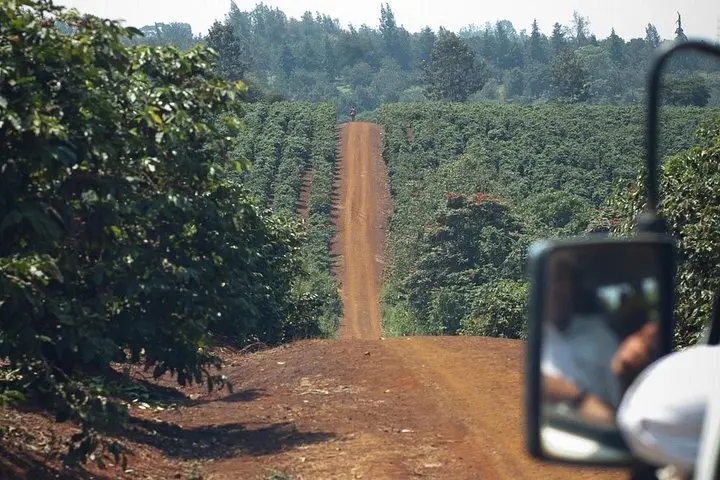
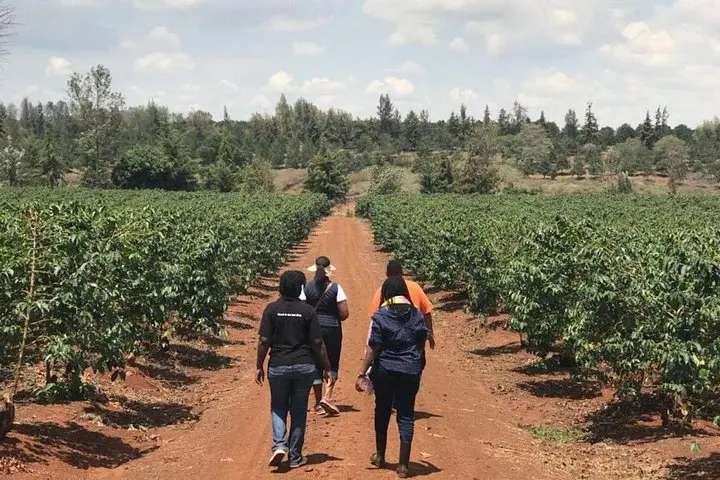
You pull off Thika Superhighway and a ribbon of cultivated land opens—a grid of low rows and taller shade trees, coffee cherries glowing ruby against green. The morning air smells of damp earth and cut leaves; guides lead you between lines of bushy coffee plants as the farm’s hum moves around you.
Verified experiences and guided adventures in the surrounding area.
Operated by VALLEY ROCKS TOURS · Nairobi, Nairobi County
You pull off Thika Superhighway and a ribbon of cultivated land opens—a grid of low rows and taller shade trees, coffee cherries glowing ruby against green. The morning air smells of damp earth and cut leaves; guides lead you between lines of bushy coffee plants as the farm’s hum moves around you.
Karunguru sits within Kenya’s Central Highlands, a region whose volcanic soils and steady equatorial sun produce the bright acidity and jasmine notes Kenyan coffee is known for. Coffee cultivation here reflects a century of agricultural shifts: smallholder plots and estates alike adapted varieties and processing methods since the crop’s expansion under colonial and post-colonial markets.
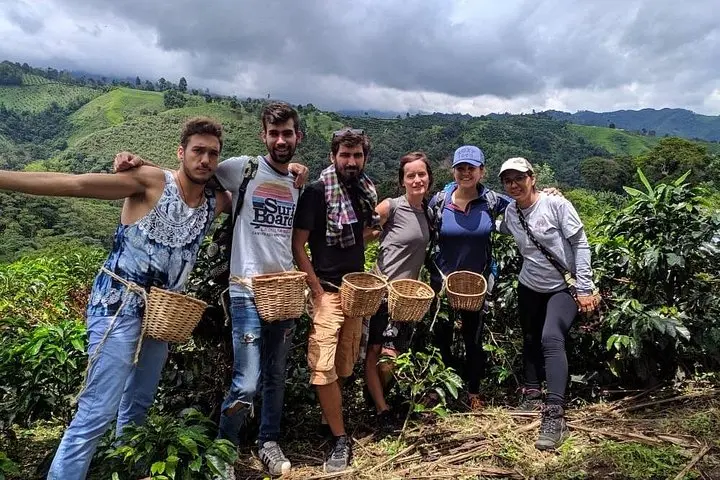
On a farm tour you’ll see the lifecycle: flowering branch to ripe cherry, pulping and washing stations that separate bean from fruit, and small roasters where green beans change color and scent. Locals explain the wet-milling choices that create distinct flavor profiles; you’ll roast a batch, taste it fresh, and compare processing notes while sipping coffee and snacks.
Practicalities: most tours last about four hours with round-trip transport from Nairobi; paths are packed-earth and wheel-chair accessible in main areas. Expect short, gentle walking and standing during demonstrations. Bring sun protection, comfortable shoes, and a curiosity for process—ask about seasonal harvests and how shade management affects flavor. The farm’s hospitality often includes a small gift (a t-shirt and a take-home roast) and time to buy single-origin bags.
This is a tactile, low-impact rural experience—perfect for travelers who want a clear view of how Kenyan coffee goes from tree to cup.
The private tour is about 4 hours and typically includes round-trip transport from Nairobi, a guided farm walk, processing demonstrations, a roast-and-taste session, snacks, water, and a small souvenir T-shirt.
Main visitor areas and transportation are wheelchair accessible, though some outdoor paths may be uneven—notify the operator in advance to arrange assistance.
Yes—single-origin bags and small roasts are usually available to purchase; check customs rules for bringing beans home if you’re traveling internationally.
Yes—this tour is family-friendly, but infants should be supervised near equipment; infant seats are available for transport if requested.
VALLEY ROCKS TOURS operates guided outdoor trips and adventures with an emphasis on safety, stewardship, and memorable experiences.
You pull off Thika Superhighway and a ribbon of cultivated land opens—a grid of low rows and taller shade trees, coffee cherries glowing ruby against green. The morning air smells of damp earth and cut leaves; guides lead you between lines of bushy coffee plants as the farm’s hum moves around you.
You pull off Thika Superhighway and a ribbon of cultivated land opens—a grid of low rows and taller shade trees, coffee cherries glowing ruby against green. The morning air smells of damp earth and cut leaves; guides lead you between lines of bushy coffee plants as the farm’s hum moves around you.
Karunguru sits within Kenya’s Central Highlands, a region whose volcanic soils and steady equatorial sun produce the bright acidity and jasmine notes Kenyan coffee is known for. Coffee cultivation here reflects a century of agricultural shifts: smallholder plots and estates alike adapted varieties and processing methods since the crop’s expansion under colonial and post-colonial markets.
On a farm tour you’ll see the lifecycle: flowering branch to ripe cherry, pulping and washing stations that separate bean from fruit, and small roasters where green beans change color and scent. Locals explain the wet-milling choices that create distinct flavor profiles; you’ll roast a batch, taste it fresh, and compare processing notes while sipping coffee and snacks.
Practicalities: most tours last about four hours with round-trip transport from Nairobi; paths are packed-earth and wheel-chair accessible in main areas. Expect short, gentle walking and standing during demonstrations. Bring sun protection, comfortable shoes, and a curiosity for process—ask about seasonal harvests and how shade management affects flavor. The farm’s hospitality often includes a small gift (a t-shirt and a take-home roast) and time to buy single-origin bags.
This is a tactile, low-impact rural experience—perfect for travelers who want a clear view of how Kenyan coffee goes from tree to cup.