THE ADVENTURE COLLECTIVE® · Independent discovery and booking for outdoor travel

Cross the border from Kasane for a focused day at Victoria Falls: viewpoints along the Zambezi, the Livingstone Museum, and a short walking safari to see endangered rhinos in Musi‑otunya National Park. This 6–8 hour trip pairs iconic waterfall vistas with close‑up wildlife and local history.
Cross the border from Kasane for a focused day at Victoria Falls: viewpoints along the Zambezi, the Livingstone Museum, and a short walking safari to see endangered rhinos in Musi‑otunya National Park. This 6–8 hour trip pairs iconic waterfall vistas with close‑up wildlife and local history.
A curtain of spray rises like a living wall as the Zambezi dares you from the knife‑edge of the falls; the air tastes of river and stone. Set off from Kasane by road and you cross the border into Livingstone, where the sightlines change from wide floodplain to the basalt lip that creates Victoria Falls. Walk the upstream rim, cross the slender bridge that frames a plunging sheet of water, and, if you choose, follow steep steps down to the boiling pot where the river carves its gorge.
Verified experiences and guided adventures in the surrounding area.
Operated by Royal African Experiences · Livingstone, Southern Province
A curtain of spray rises like a living wall as the Zambezi dares you from the knife‑edge of the falls; the air tastes of river and stone. Set off from Kasane by road and you cross the border into Livingstone, where the sightlines change from wide floodplain to the basalt lip that creates Victoria Falls. Walk the upstream rim, cross the slender bridge that frames a plunging sheet of water, and, if you choose, follow steep steps down to the boiling pot where the river carves its gorge.
This route threads natural history with human story: Mosi‑oa‑Tunya — “the smoke that thunders” — sits on a basalt plateau split by the Zambezi, its gorges the result of volcanic flows and millennia of erosion. The Livingstone Museum anchors local culture and colonial history, while nearby Musi‑otunya National Park protects a pocket of riverine forest and endangered rhinos, conserved through focused sanctuary work and community partnerships.
Practical guidance: expect a 6–8 hour outing with roughly 1–1.5 hours each way by road (border formalities vary). Carry a passport and any required visas, waterproof layers for spray, sturdy closed shoes for uneven paths and steps, and a camera with a protective sleeve. There are short walks at the falls and a guided, low‑impact walking safari in the park — keep distance from wildlife and follow your guide’s instructions. Lunch and transfers are included, but bring local cash for small purchases and tips. Best visited early for softer light and cooler air; mid‑day the falls are busiest and the spray heavier.
Visa requirements depend on your nationality; check Zambian and Botswanan rules in advance and carry your passport for immigration processing.
Transfer time is typically about 1–1.5 hours each way, though border formalities and traffic can add time to the journey.
This tour includes snacks and lunch as listed, but bring cash for additional purchases at markets or the museum shop.
The walking safari visits a rhino sanctuary where sightings are possible but not guaranteed; guides prioritize safety and minimal disturbance.
Royal African Experiences operates guided outdoor trips and adventures with an emphasis on safety, stewardship, and memorable experiences.
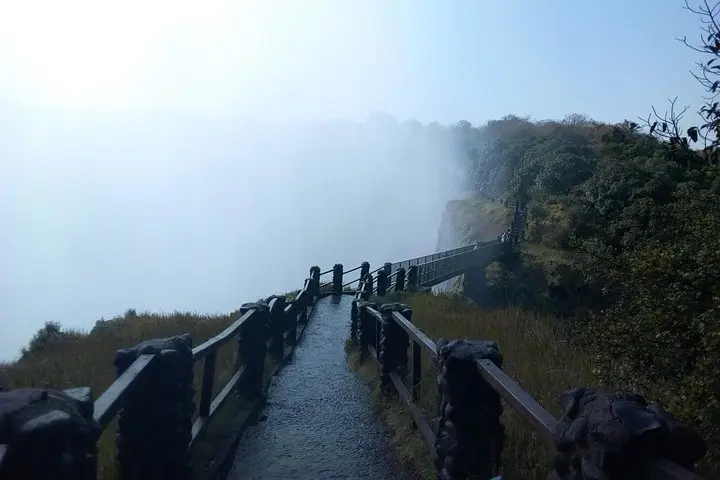
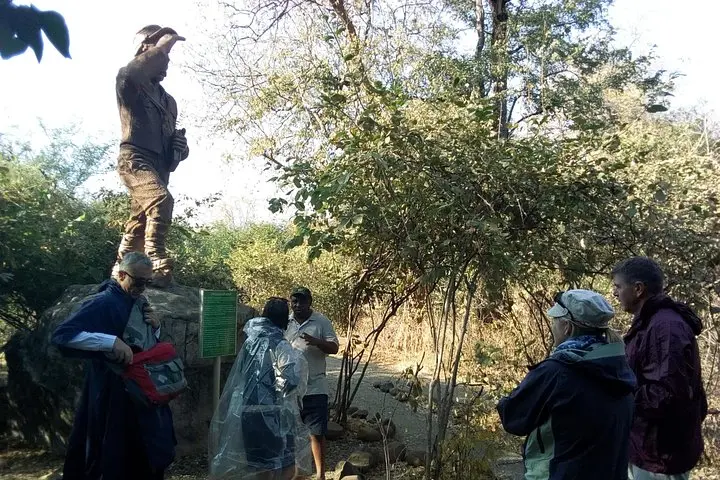
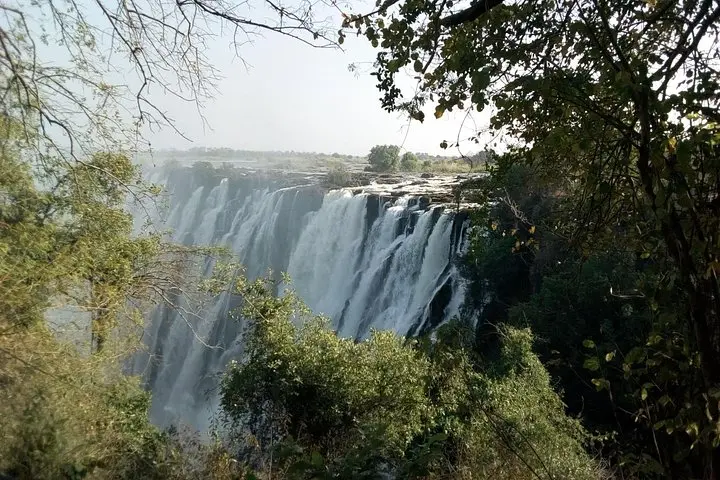
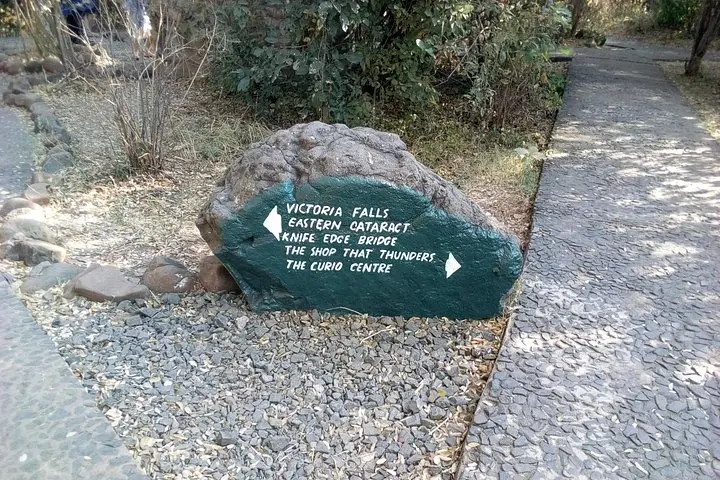
A curtain of spray rises like a living wall as the Zambezi dares you from the knife‑edge of the falls; the air tastes of river and stone. Set off from Kasane by road and you cross the border into Livingstone, where the sightlines change from wide floodplain to the basalt lip that creates Victoria Falls. Walk the upstream rim, cross the slender bridge that frames a plunging sheet of water, and, if you choose, follow steep steps down to the boiling pot where the river carves its gorge.
A curtain of spray rises like a living wall as the Zambezi dares you from the knife‑edge of the falls; the air tastes of river and stone. Set off from Kasane by road and you cross the border into Livingstone, where the sightlines change from wide floodplain to the basalt lip that creates Victoria Falls. Walk the upstream rim, cross the slender bridge that frames a plunging sheet of water, and, if you choose, follow steep steps down to the boiling pot where the river carves its gorge.
This route threads natural history with human story: Mosi‑oa‑Tunya — “the smoke that thunders” — sits on a basalt plateau split by the Zambezi, its gorges the result of volcanic flows and millennia of erosion. The Livingstone Museum anchors local culture and colonial history, while nearby Musi‑otunya National Park protects a pocket of riverine forest and endangered rhinos, conserved through focused sanctuary work and community partnerships.
Practical guidance: expect a 6–8 hour outing with roughly 1–1.5 hours each way by road (border formalities vary). Carry a passport and any required visas, waterproof layers for spray, sturdy closed shoes for uneven paths and steps, and a camera with a protective sleeve. There are short walks at the falls and a guided, low‑impact walking safari in the park — keep distance from wildlife and follow your guide’s instructions. Lunch and transfers are included, but bring local cash for small purchases and tips. Best visited early for softer light and cooler air; mid‑day the falls are busiest and the spray heavier.