THE ADVENTURE COLLECTIVE® · Independent discovery and booking for outdoor travel

Trek a classic high-altitude circuit across alpine lakes and three 4,000m passes from Sonamarg to Naranag. This 8-day route mixes long days, vibrant meadows, and glacial lakes—ideal for experienced trekkers who plan for altitude and rapidly changing weather.
Trek a classic high-altitude circuit across alpine lakes and three 4,000m passes from Sonamarg to Naranag. This 8-day route mixes long days, vibrant meadows, and glacial lakes—ideal for experienced trekkers who plan for altitude and rapidly changing weather.
A sharp morning light slices across the Sind River as vans drop trekkers into Sonamarg and the valley exhales cold, alpine air. From the riverbank campsite the route climbs into arenas of scree and grass—meadows that change color with every switchback and lakes that hold the reflections of craggy summits. The trek’s rhythm is clear: long approaches, three main passes above 4,000 m, and lakes that seem to dare you to keep walking.
Verified experiences and guided adventures in the surrounding area.
Operated by Kashmir Treks · Sonamarg, Jammu and Kashmir
A sharp morning light slices across the Sind River as vans drop trekkers into Sonamarg and the valley exhales cold, alpine air. From the riverbank campsite the route climbs into arenas of scree and grass—meadows that change color with every switchback and lakes that hold the reflections of craggy summits. The trek’s rhythm is clear: long approaches, three main passes above 4,000 m, and lakes that seem to dare you to keep walking.
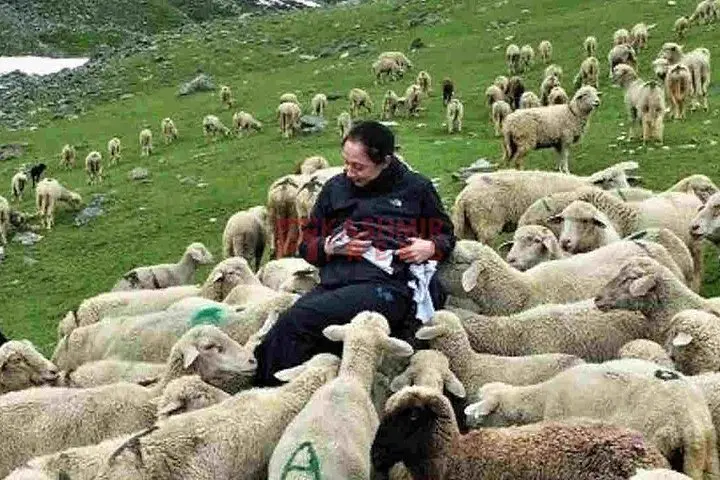
This route follows old shepherd trails used for summer pasturage by Gujjar-Bakarwal communities; centuries of seasonal movement shaped the meadows and cairn-lined passes. Geologically the Great Lakes sit on glacially carved basins—steep moraines, tarns, and cirques—evidence of past ice that still feeds clear, cold streams. You’ll move through cultural patches of shepherd camps, small shrines, and the occasional houseboat-sendoff in Srinagar, where the trek begins and ends.
Expect daily stages of 9–15 km with elevation gains of 600–900 m on pass days; terrain alternates between grassy meadows, rocky moraine, and narrow alpine ridgelines. Water is plentiful but should be treated; weather can swing from bright sun to sleet in hours. Practical planning: acclimatize in Srinagar, bring layered insulation, and use a sleeping bag rated for subzero nights—the itinerary includes six nights camping and one night houseboat/hotel in Srinagar.
Logistics are straightforward with private transfers, included meals, and equipment provided by operators, but carry personal essentials: blister care, sunscreen, and a lightweight stove repair kit. Respect pastureland, pack out waste, and follow guides’ pacing—this circuit rewards steady, conservative steps more than sprinting to summits.
Trek and wildlife permits are typically handled by the operator and included in the itinerary; confirm passport details at booking.
Passes reach about 4,000–4,200 m with steep ascents and loose scree—steady pacing and trekking poles are recommended.
Operators often provide horse/porters to offload heavy gear; check the included services to confirm what’s carried by pack animals.
Late June to early September offers the most stable window after snow melt; early season may still have deep snow on passes.
Kashmir Treks operates guided outdoor trips and adventures with an emphasis on safety, stewardship, and memorable experiences.
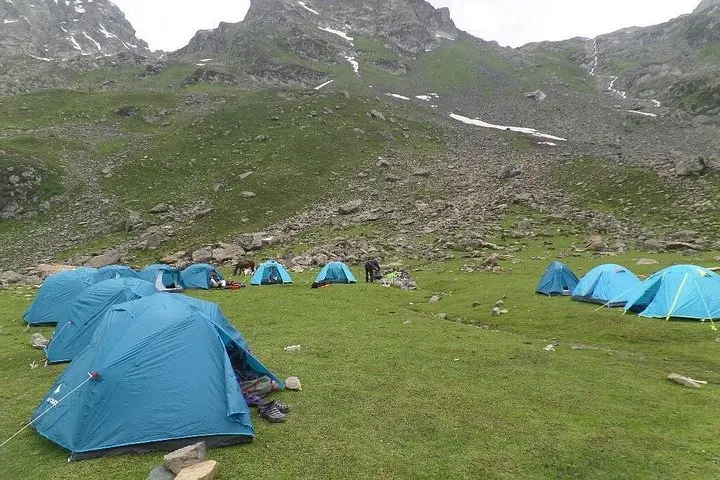
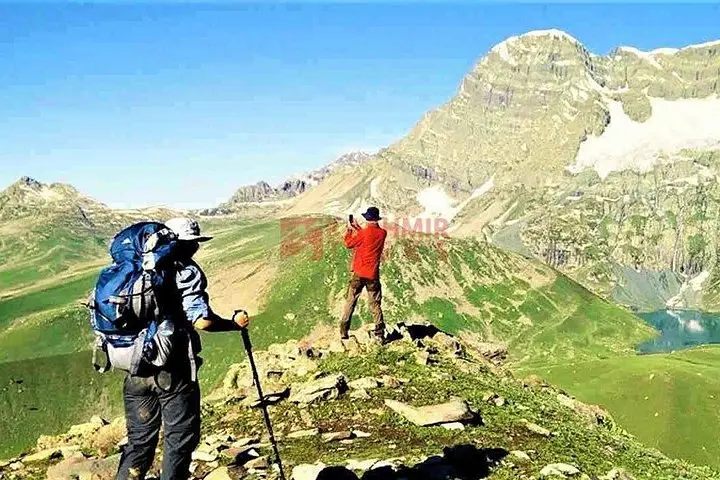
A sharp morning light slices across the Sind River as vans drop trekkers into Sonamarg and the valley exhales cold, alpine air. From the riverbank campsite the route climbs into arenas of scree and grass—meadows that change color with every switchback and lakes that hold the reflections of craggy summits. The trek’s rhythm is clear: long approaches, three main passes above 4,000 m, and lakes that seem to dare you to keep walking.
A sharp morning light slices across the Sind River as vans drop trekkers into Sonamarg and the valley exhales cold, alpine air. From the riverbank campsite the route climbs into arenas of scree and grass—meadows that change color with every switchback and lakes that hold the reflections of craggy summits. The trek’s rhythm is clear: long approaches, three main passes above 4,000 m, and lakes that seem to dare you to keep walking.
This route follows old shepherd trails used for summer pasturage by Gujjar-Bakarwal communities; centuries of seasonal movement shaped the meadows and cairn-lined passes. Geologically the Great Lakes sit on glacially carved basins—steep moraines, tarns, and cirques—evidence of past ice that still feeds clear, cold streams. You’ll move through cultural patches of shepherd camps, small shrines, and the occasional houseboat-sendoff in Srinagar, where the trek begins and ends.
Expect daily stages of 9–15 km with elevation gains of 600–900 m on pass days; terrain alternates between grassy meadows, rocky moraine, and narrow alpine ridgelines. Water is plentiful but should be treated; weather can swing from bright sun to sleet in hours. Practical planning: acclimatize in Srinagar, bring layered insulation, and use a sleeping bag rated for subzero nights—the itinerary includes six nights camping and one night houseboat/hotel in Srinagar.
Logistics are straightforward with private transfers, included meals, and equipment provided by operators, but carry personal essentials: blister care, sunscreen, and a lightweight stove repair kit. Respect pastureland, pack out waste, and follow guides’ pacing—this circuit rewards steady, conservative steps more than sprinting to summits.