THE ADVENTURE COLLECTIVE® · Independent discovery and booking for outdoor travel

A 10-day Srinagar-to-Pangong loop that shifts from Mughal gardens to high-altitude deserts — expect long drives, dramatic passes, and cultural stops in monasteries and villages. Read on for terrain notes and practical tips to prepare for thin air and big skies.
A 10-day Srinagar-to-Pangong loop that shifts from Mughal gardens to high-altitude deserts — expect long drives, dramatic passes, and cultural stops in monasteries and villages. Read on for terrain notes and practical tips to prepare for thin air and big skies.
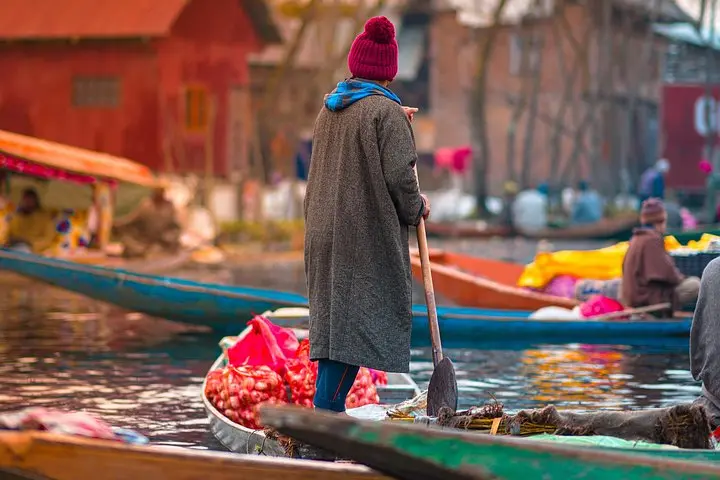
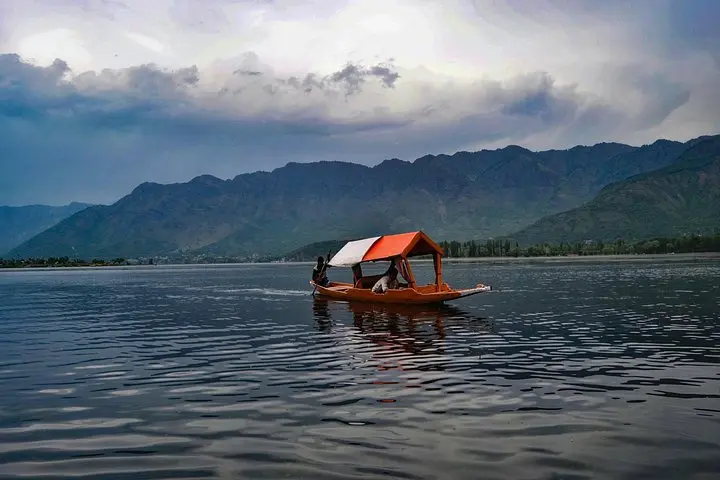
Morning light on Dal Lake throws a hard-edged reflection across wooden shikaras while, a week later, the wind at Pangong Tso strips color from the mountains and paints the shore a cold blue. This multi-day Kashmir–Ladakh circuit moves from Srinagar’s Mughal gardens and floating markets into increasingly thin air: Sonamarg, Zoji La, Kargil, the moonscape of Lamayuru, and finally the salt flats and high ridgelines around Pangong.
Verified experiences and guided adventures in the surrounding area.
Operated by Ladakh Backpackers · Leh, Ladakh
Morning light on Dal Lake throws a hard-edged reflection across wooden shikaras while, a week later, the wind at Pangong Tso strips color from the mountains and paints the shore a cold blue. This multi-day Kashmir–Ladakh circuit moves from Srinagar’s Mughal gardens and floating markets into increasingly thin air: Sonamarg, Zoji La, Kargil, the moonscape of Lamayuru, and finally the salt flats and high ridgelines around Pangong.
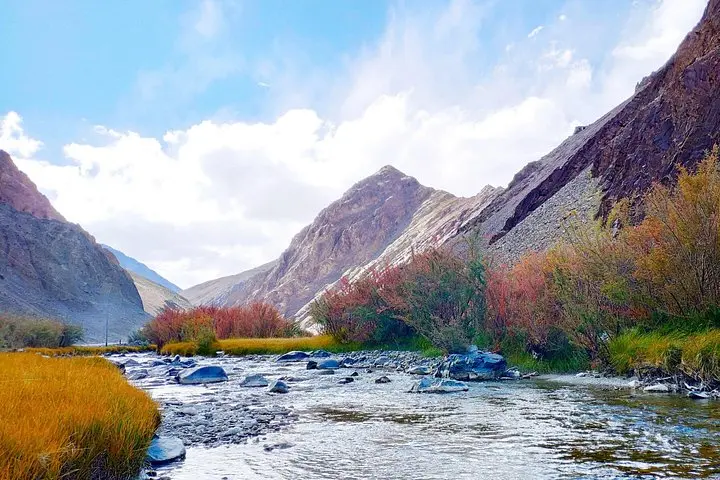
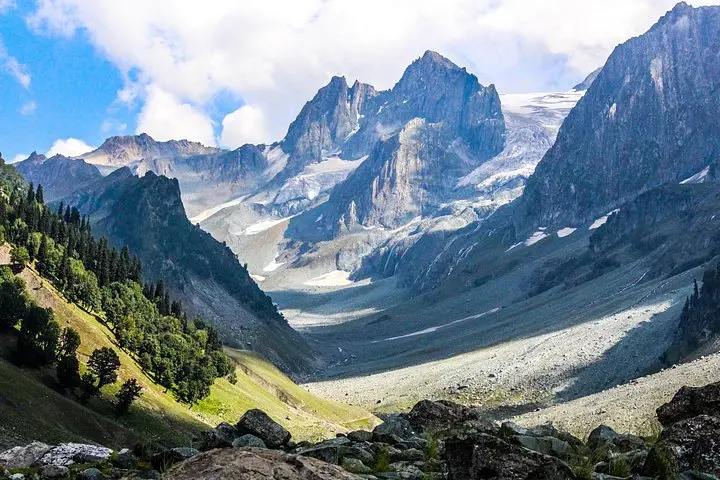
Historically this corridor linked Silk Road routes and Himalayan passes; Mughal-era gardens in Srinagar and centuries-old gompas in Lamayuru and Hemis mark cultural layers that travelers cross daily. Geology shifts abruptly — verdant valley alluvium gives way to wind-sculpted badlands and glacial moraine; mountain passes like Khardung La and Chang La are reminders that this is an active, high-altitude landscape.
Culturally the tour threads Kashmiri and Ladakhi life: houseboat dinners in Srinagar, a heritage Ladakhi lunch in Stok, Balti traditions in Turtuk. Locals practice high-altitude farming and sustain fragile pastures that support yaks and a few hardy crops.
Practical guidance: plan this between April and October to avoid heavy snow; factor acclimatization days in Leh and drink more water than feels comfortable. Expect long drives (several days over 3–7 hour legs), unpaved stretches, and intermittent mobile signal. Bring layered insulation, sunscreen, a basic first-aid kit, and copies of permits (Inner Line for some sectors). Travel time is best used to observe changing light and landscapes — the region moves slowly, but the terrain demands respect.
April to October offers the most reliable access; passes can close in winter due to heavy snow.
Some border areas require an Inner Line Permit or restricted area permit — organizers typically arrange these but carry ID copies.
Symptoms range from mild headache and fatigue to more serious illness; acclimatize in Leh, avoid overexertion, hydrate, and descend if symptoms worsen.
Expect a mix: Srinagar houseboats and hotels in Leh/Nubra provide comfort, while Pangong and remote stops may be basic tented or simple guesthouse stays.
Ladakh Backpackers operates guided outdoor trips and adventures with an emphasis on safety, stewardship, and memorable experiences.
Morning light on Dal Lake throws a hard-edged reflection across wooden shikaras while, a week later, the wind at Pangong Tso strips color from the mountains and paints the shore a cold blue. This multi-day Kashmir–Ladakh circuit moves from Srinagar’s Mughal gardens and floating markets into increasingly thin air: Sonamarg, Zoji La, Kargil, the moonscape of Lamayuru, and finally the salt flats and high ridgelines around Pangong.
Morning light on Dal Lake throws a hard-edged reflection across wooden shikaras while, a week later, the wind at Pangong Tso strips color from the mountains and paints the shore a cold blue. This multi-day Kashmir–Ladakh circuit moves from Srinagar’s Mughal gardens and floating markets into increasingly thin air: Sonamarg, Zoji La, Kargil, the moonscape of Lamayuru, and finally the salt flats and high ridgelines around Pangong.
Historically this corridor linked Silk Road routes and Himalayan passes; Mughal-era gardens in Srinagar and centuries-old gompas in Lamayuru and Hemis mark cultural layers that travelers cross daily. Geology shifts abruptly — verdant valley alluvium gives way to wind-sculpted badlands and glacial moraine; mountain passes like Khardung La and Chang La are reminders that this is an active, high-altitude landscape.
Culturally the tour threads Kashmiri and Ladakhi life: houseboat dinners in Srinagar, a heritage Ladakhi lunch in Stok, Balti traditions in Turtuk. Locals practice high-altitude farming and sustain fragile pastures that support yaks and a few hardy crops.
Practical guidance: plan this between April and October to avoid heavy snow; factor acclimatization days in Leh and drink more water than feels comfortable. Expect long drives (several days over 3–7 hour legs), unpaved stretches, and intermittent mobile signal. Bring layered insulation, sunscreen, a basic first-aid kit, and copies of permits (Inner Line for some sectors). Travel time is best used to observe changing light and landscapes — the region moves slowly, but the terrain demands respect.