THE ADVENTURE COLLECTIVE® · Independent discovery and booking for outdoor travel

Follow the Parvati River from Kasol up to Kheerganga’s natural hot springs on a compact 3-day trek. Expect apple orchards, rocky steps and a rewarding soak after a day of steady climbing.
Follow the Parvati River from Kasol up to Kheerganga’s natural hot springs on a compact 3-day trek. Expect apple orchards, rocky steps and a rewarding soak after a day of steady climbing.
A cool wind from the Parvati River pushes up the valley as you step off the bus in Kasol, cafes humming behind thin pines. The trailhead at Barshaini threads through apple orchards and tight forest gullies, the path alternating between powdery soil and rocky steps that climb toward an open ridge where steam rises from the Kheerganga hot springs.
Verified experiences and guided adventures in the surrounding area.
Operated by BanBanjara · Kasol, Himachal Pradesh
A cool wind from the Parvati River pushes up the valley as you step off the bus in Kasol, cafes humming behind thin pines. The trailhead at Barshaini threads through apple orchards and tight forest gullies, the path alternating between powdery soil and rocky steps that climb toward an open ridge where steam rises from the Kheerganga hot springs.
The Parvati Valley is carved by young Himalayan rivers—layered schist and granite uplifted over millennia—so expect sudden drops, exposed roots and short scree fields where the trail tests balance. Kasol’s recent history is a collision of local hill culture and international travelers; Israeli cafés and Gaddi shepherd camps sit within sight of ancient pilgrimage routes. At Kheerganga, geothermal vents force warm water to the surface, creating the hot springs that draw visitors and local legend alike.
Practically, the trek runs roughly 12 km one-way from Barshaini with about 1,200–1,400 m of cumulative ascent depending on your start point. Terrain is mixed—forest shade, stone steps, occasional stream crossings—so hike-ready boots and trekking poles make a noticeable difference. Plan an early start, carry 2–3 liters of water, and pack layers: nights in tents above 2,800 m get cold. Camps in Kheerganga often include basic meals and a campfire; respect quiet hours and local customs, and arrive with cash for small canteens along the route.
Timing your ascent for morning light rewards you with valley panoramas and a soak in the springs as evening settles. Leave no trace, keep noise low, and let the river and ridge set the pace for the journey.
From Barshaini to Kheerganga it's roughly 10–12 km one-way; the group itinerary often spreads that over a day to include breaks and scenic stops.
Yes, the natural hot springs are popular and generally safe, but avoid long immersion if you have heart conditions and follow local guidance about water temperature.
No special permits are required for the trail for most visitors, but hiring a local guide improves safety and supports the community; some operators include a guide as standard.
Late spring to early autumn (May–October) offers the most reliable trail conditions; winter brings snow and requires technical gear and experience.
BanBanjara operates guided outdoor trips and adventures with an emphasis on safety, stewardship, and memorable experiences.
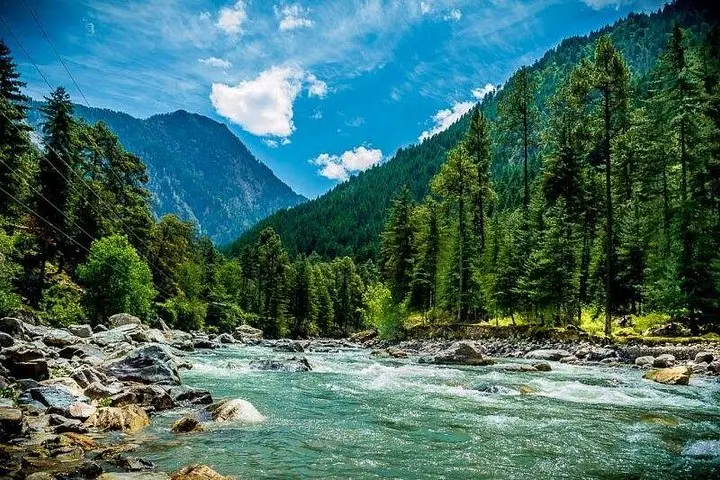
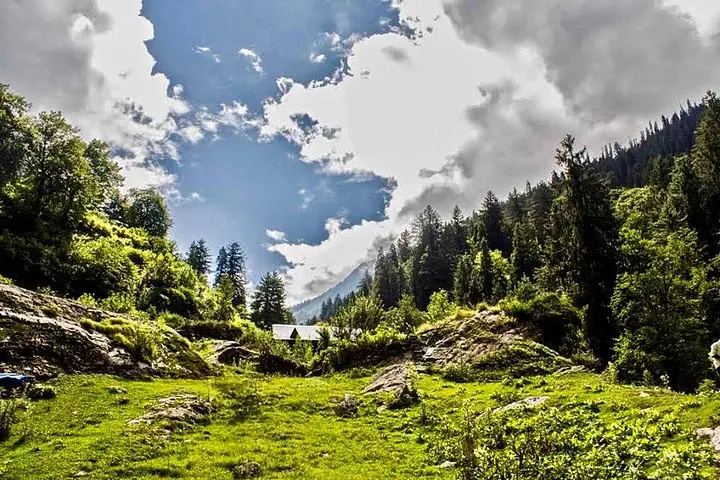
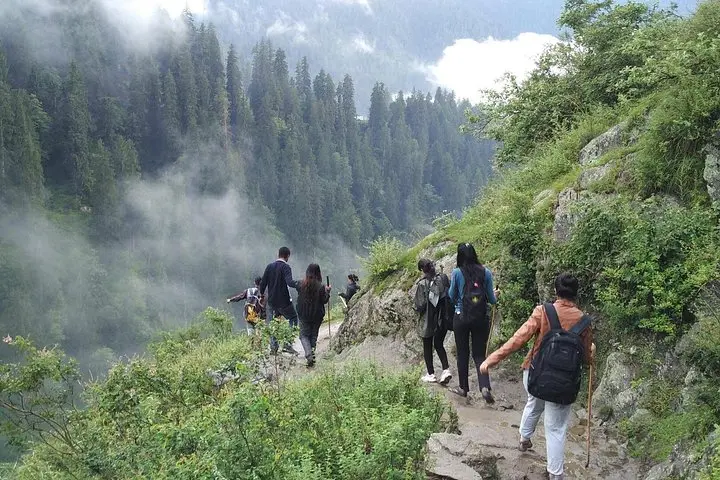
A cool wind from the Parvati River pushes up the valley as you step off the bus in Kasol, cafes humming behind thin pines. The trailhead at Barshaini threads through apple orchards and tight forest gullies, the path alternating between powdery soil and rocky steps that climb toward an open ridge where steam rises from the Kheerganga hot springs.
A cool wind from the Parvati River pushes up the valley as you step off the bus in Kasol, cafes humming behind thin pines. The trailhead at Barshaini threads through apple orchards and tight forest gullies, the path alternating between powdery soil and rocky steps that climb toward an open ridge where steam rises from the Kheerganga hot springs.
The Parvati Valley is carved by young Himalayan rivers—layered schist and granite uplifted over millennia—so expect sudden drops, exposed roots and short scree fields where the trail tests balance. Kasol’s recent history is a collision of local hill culture and international travelers; Israeli cafés and Gaddi shepherd camps sit within sight of ancient pilgrimage routes. At Kheerganga, geothermal vents force warm water to the surface, creating the hot springs that draw visitors and local legend alike.
Practically, the trek runs roughly 12 km one-way from Barshaini with about 1,200–1,400 m of cumulative ascent depending on your start point. Terrain is mixed—forest shade, stone steps, occasional stream crossings—so hike-ready boots and trekking poles make a noticeable difference. Plan an early start, carry 2–3 liters of water, and pack layers: nights in tents above 2,800 m get cold. Camps in Kheerganga often include basic meals and a campfire; respect quiet hours and local customs, and arrive with cash for small canteens along the route.
Timing your ascent for morning light rewards you with valley panoramas and a soak in the springs as evening settles. Leave no trace, keep noise low, and let the river and ridge set the pace for the journey.