THE ADVENTURE COLLECTIVE® · Independent discovery and booking for outdoor travel

Climb from Camps Bay up through the Twelve Apostles to Table Mountain’s tabletop summit—a guided 4-hour route that mixes sea-swept ridgelines, fynbos valleys and one of the best photo ledges on the mountain. Ideal for moderately fit hikers.
Climb from Camps Bay up through the Twelve Apostles to Table Mountain’s tabletop summit—a guided 4-hour route that mixes sea-swept ridgelines, fynbos valleys and one of the best photo ledges on the mountain. Ideal for moderately fit hikers.
The trail begins in cool ocean air above Camps Bay, where the Atlantic stretches west and the stone ribs of the Twelve Apostles rise like a concrete wall. Hikers move uphill through fynbos-scrubbed gullies; the sea seems to angle toward you on every switchback. At diving board rock the ridge narrows and the world opens—Table Bay glitters below and the Cape Peninsula unravels south.
Verified experiences and guided adventures in the surrounding area.
Operated by OTC Adventures Pty Ltd · Cape Town, Western Cape
The trail begins in cool ocean air above Camps Bay, where the Atlantic stretches west and the stone ribs of the Twelve Apostles rise like a concrete wall. Hikers move uphill through fynbos-scrubbed gullies; the sea seems to angle toward you on every switchback. At diving board rock the ridge narrows and the world opens—Table Bay glitters below and the Cape Peninsula unravels south.
Geology here is old: Table Mountain’s sandstone caps sit on folded shale and granite, sculpted by millennia of wind and wave. The route follows a traditional mountaineering corridor used long before formal paths—Khoikhoi people named this range Hoerikwaggo, “mountain in the sea,” and early European climbers later pierced the slopes with routes that became today’s trails.
Guides point out endemic fynbos—ericas, proteas—and the small mammals and birds that make the crags noisy at dawn. The hike finishes on the plateau where the cable car offers a quick descent; in clear weather the city and harbour read like a map beneath your feet.
Practicalities are straightforward: expect 3–4 hours on uneven rock with short steep sections and basic scrambling. Wind and sun are constant variables—layering and a windbreaker are non-negotiable. Carry fluids, a light lunch, and shoes with firm grip. Book a morning slot for calmer winds and softer light for photos. Because the route is guided, navigational burden is low, but fitness and sure-footedness will make the day more enjoyable.
A moderate fitness level is required: expect steady uphill walking, short steep sections and basic scrambling; guides manage the pace and route.
Many operators offer city-center pick-up and drop-off within Cape Town’s immediate surrounds—confirm pickup point when booking.
Yes—most itineraries finish on the plateau and include the descent by Table Mountain Aerial Cableway (subject to operational hours and weather).
Tours are often canceled or rescheduled if wind or cloud makes the route unsafe; operators usually require 24-hour cancellation for full refund.
OTC Adventures Pty Ltd operates guided outdoor trips and adventures with an emphasis on safety, stewardship, and memorable experiences.
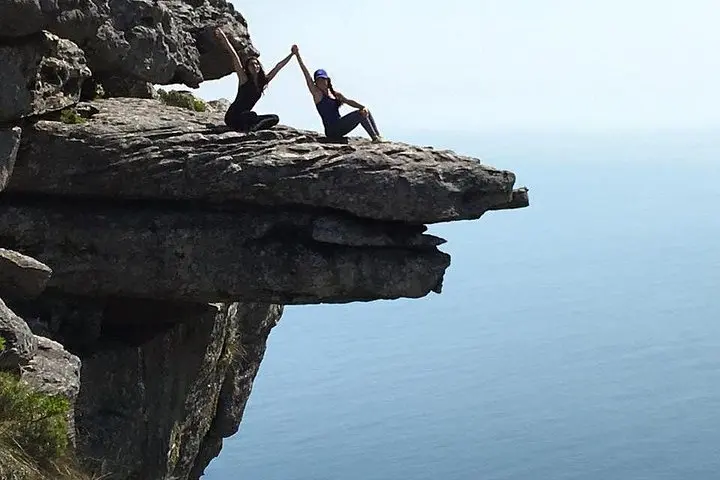
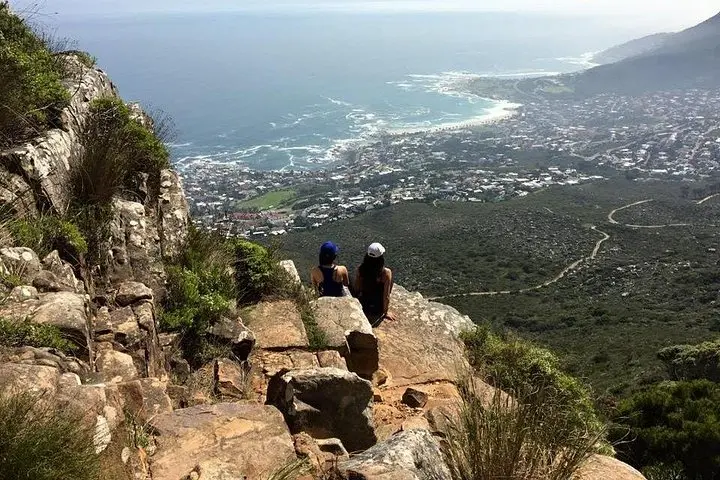
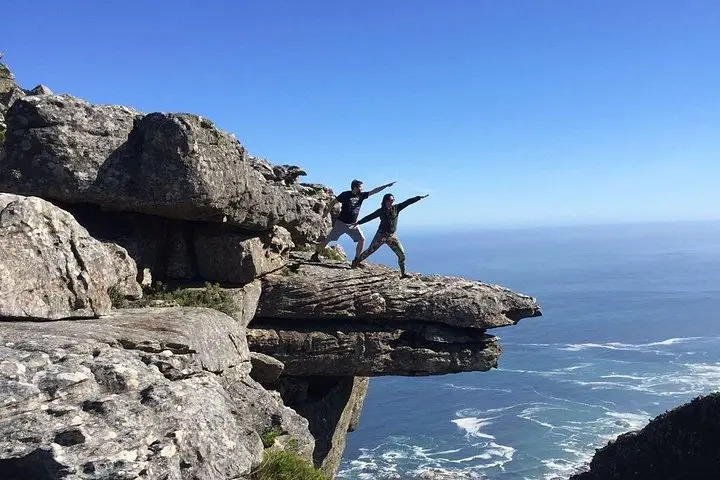
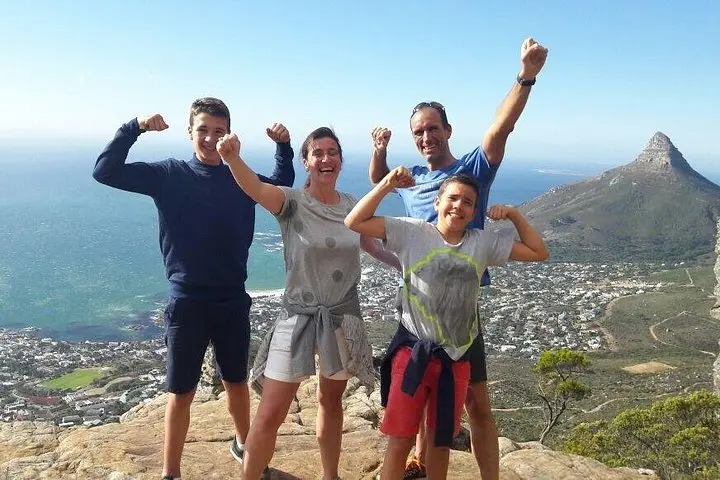
The trail begins in cool ocean air above Camps Bay, where the Atlantic stretches west and the stone ribs of the Twelve Apostles rise like a concrete wall. Hikers move uphill through fynbos-scrubbed gullies; the sea seems to angle toward you on every switchback. At diving board rock the ridge narrows and the world opens—Table Bay glitters below and the Cape Peninsula unravels south.
The trail begins in cool ocean air above Camps Bay, where the Atlantic stretches west and the stone ribs of the Twelve Apostles rise like a concrete wall. Hikers move uphill through fynbos-scrubbed gullies; the sea seems to angle toward you on every switchback. At diving board rock the ridge narrows and the world opens—Table Bay glitters below and the Cape Peninsula unravels south.
Geology here is old: Table Mountain’s sandstone caps sit on folded shale and granite, sculpted by millennia of wind and wave. The route follows a traditional mountaineering corridor used long before formal paths—Khoikhoi people named this range Hoerikwaggo, “mountain in the sea,” and early European climbers later pierced the slopes with routes that became today’s trails.
Guides point out endemic fynbos—ericas, proteas—and the small mammals and birds that make the crags noisy at dawn. The hike finishes on the plateau where the cable car offers a quick descent; in clear weather the city and harbour read like a map beneath your feet.
Practicalities are straightforward: expect 3–4 hours on uneven rock with short steep sections and basic scrambling. Wind and sun are constant variables—layering and a windbreaker are non-negotiable. Carry fluids, a light lunch, and shoes with firm grip. Book a morning slot for calmer winds and softer light for photos. Because the route is guided, navigational burden is low, but fitness and sure-footedness will make the day more enjoyable.