THE ADVENTURE COLLECTIVE® · Independent discovery and booking for outdoor travel

A classic high‑altitude trek from Lukla to Everest Base Camp and Kala Patthar that blends Sherpa culture, glacial landscapes, and dramatic summit views. This 12‑day lodge trek emphasizes acclimatization, reliable guides, and a steady, achievable ascent to 5,545 m.
A classic high‑altitude trek from Lukla to Everest Base Camp and Kala Patthar that blends Sherpa culture, glacial landscapes, and dramatic summit views. This 12‑day lodge trek emphasizes acclimatization, reliable guides, and a steady, achievable ascent to 5,545 m.
You step off the small plane at Lukla and the world tilts into high country: prayer flags flutter, stone tea houses line the trail, and the Milky Dudhkoshi River threads pale water through deep valleys. Over the next 12 days you’ll move from pine forests and suspension bridges into the open glacial valleys that guard Everest’s foot.
Verified experiences and guided adventures in the surrounding area.
Operated by Himalayan Scenery Treks and Expedition - Private Day Tours · Kathmandu, Bagmati Province
You step off the small plane at Lukla and the world tilts into high country: prayer flags flutter, stone tea houses line the trail, and the Milky Dudhkoshi River threads pale water through deep valleys. Over the next 12 days you’ll move from pine forests and suspension bridges into the open glacial valleys that guard Everest’s foot.
The route follows long-established Sherpa paths through Sagarmatha National Park, a UNESCO-protected landscape shaped by the Himalayan uplift—young, rising rock and active glaciers that sculpt steep moraines and sharp ridgelines. Cultural notes appear at every turn: mani stones, the chimes of monastery prayer wheels at Tengboche, and local stories of Tenzing Norgay and generations who trade, herd yaks, and host trekkers.
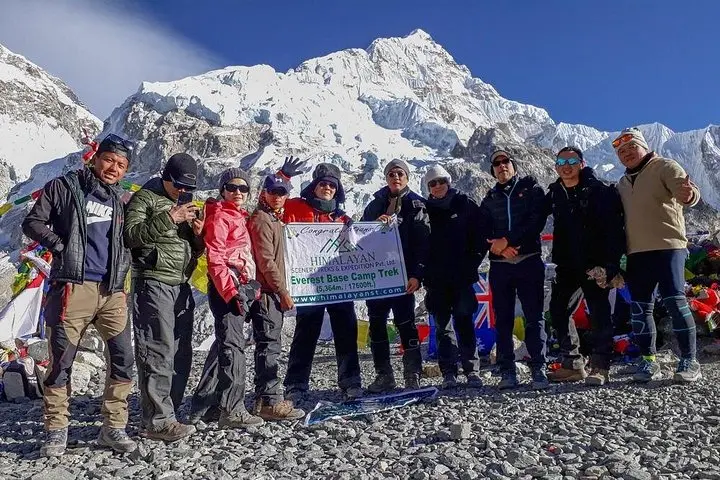
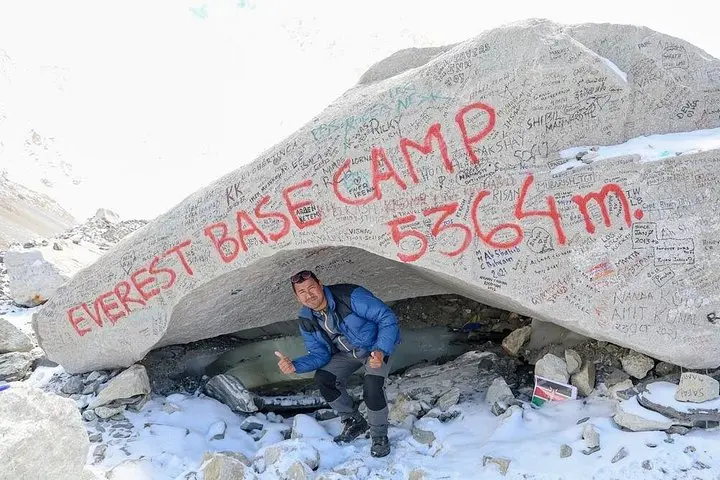
Expect a cumulative round-trip of roughly 120–140 km with net elevation gain of about 2,700 m from Lukla to Kala Patthar (5,545 m) and a summit visit to Everest Base Camp (5,364 m). Weather swings quickly; mornings on the high ridge bring bone-dry cold and crystalline views, afternoons can dust with snow. Wildlife sightings include Danphe (the Himalayan monal) and occasional Himalayan thar.
Practical guidance: build in rest and acclimatization—scheduled days at Namche and Dingboche are essential. Flights to/from Lukla are weather-dependent; allow buffer days in Kathmandu. Footwear with stiff soles, layered insulation, a good sleeping liner, and hydration systems are non-negotiable. Pace conservatively, know symptoms of acute mountain sickness, and use the provided guides and oximeters. The reward is straightforward: sunrise from Kala Patthar with Everest reshaping the horizon.
The trek is challenging due to altitude and long daily walking—most trekkers with good fitness can complete it with proper acclimatization and pacing.
No technical mountaineering skills are required for the standard EBC trek; some sections are rocky or icy but manageable with good boots and poles.
Flights are short but weather‑dependent; cancellations are common—build buffer days and flexible schedules in Kathmandu.
Lodge/tea‑house accommodation (twin rooms) is standard; meals are provided and facilities become more basic at higher elevations.
Himalayan Scenery Treks and Expedition - Private Day Tours operates guided outdoor trips and adventures with an emphasis on safety, stewardship, and memorable experiences.
You step off the small plane at Lukla and the world tilts into high country: prayer flags flutter, stone tea houses line the trail, and the Milky Dudhkoshi River threads pale water through deep valleys. Over the next 12 days you’ll move from pine forests and suspension bridges into the open glacial valleys that guard Everest’s foot.
You step off the small plane at Lukla and the world tilts into high country: prayer flags flutter, stone tea houses line the trail, and the Milky Dudhkoshi River threads pale water through deep valleys. Over the next 12 days you’ll move from pine forests and suspension bridges into the open glacial valleys that guard Everest’s foot.
The route follows long-established Sherpa paths through Sagarmatha National Park, a UNESCO-protected landscape shaped by the Himalayan uplift—young, rising rock and active glaciers that sculpt steep moraines and sharp ridgelines. Cultural notes appear at every turn: mani stones, the chimes of monastery prayer wheels at Tengboche, and local stories of Tenzing Norgay and generations who trade, herd yaks, and host trekkers.
Expect a cumulative round-trip of roughly 120–140 km with net elevation gain of about 2,700 m from Lukla to Kala Patthar (5,545 m) and a summit visit to Everest Base Camp (5,364 m). Weather swings quickly; mornings on the high ridge bring bone-dry cold and crystalline views, afternoons can dust with snow. Wildlife sightings include Danphe (the Himalayan monal) and occasional Himalayan thar.
Practical guidance: build in rest and acclimatization—scheduled days at Namche and Dingboche are essential. Flights to/from Lukla are weather-dependent; allow buffer days in Kathmandu. Footwear with stiff soles, layered insulation, a good sleeping liner, and hydration systems are non-negotiable. Pace conservatively, know symptoms of acute mountain sickness, and use the provided guides and oximeters. The reward is straightforward: sunrise from Kala Patthar with Everest reshaping the horizon.