THE ADVENTURE COLLECTIVE® · Independent discovery and booking for outdoor travel

Fly into Lukla and follow a classic high-altitude route through Sherpa villages, Tengboche Monastery and the Khumbu moraine to stand at Everest Base Camp and Kala Patthar. This 12-day trek balances acclimatization with demanding days above 4,000 m—ideal for fit trekkers prepared for altitude and variable weather.
Fly into Lukla and follow a classic high-altitude route through Sherpa villages, Tengboche Monastery and the Khumbu moraine to stand at Everest Base Camp and Kala Patthar. This 12-day trek balances acclimatization with demanding days above 4,000 m—ideal for fit trekkers prepared for altitude and variable weather.
The flight into Lukla drops you onto a narrow runway carved into a mountain spine; prayer flags snap in thin air and the Dudh Koshi river threads silver through valley floors. From that abrupt arrival the trail threads villages of stone teahouses, rhododendron slopes and suspension bridges, each step lifting you higher into a landscape of moraine, ice and jagged summits.
Verified experiences and guided adventures in the surrounding area.
Operated by CAN Travels · Lukla, Province No. 1
The flight into Lukla drops you onto a narrow runway carved into a mountain spine; prayer flags snap in thin air and the Dudh Koshi river threads silver through valley floors. From that abrupt arrival the trail threads villages of stone teahouses, rhododendron slopes and suspension bridges, each step lifting you higher into a landscape of moraine, ice and jagged summits.
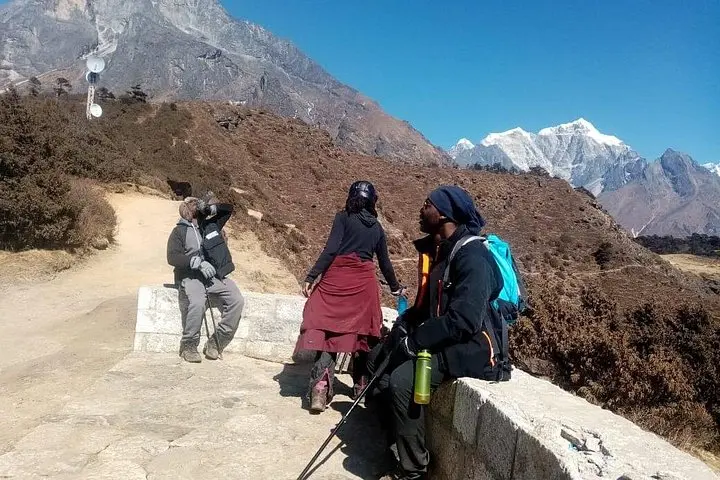
This route follows routes used by Sherpa traders and mountaineering expeditions for decades. Geologically the trek moves from younger river-cut valleys into the Khumbu Glacier’s moraine fields; you’ll notice the color change from dark forest soils to glacial grey as elevation climbs. Cultural stops—Namche Bazaar’s market, Tengboche Monastery, village mani walls—offer practical acclimatization and a window into Tibetan-Buddhist Sherpa life.
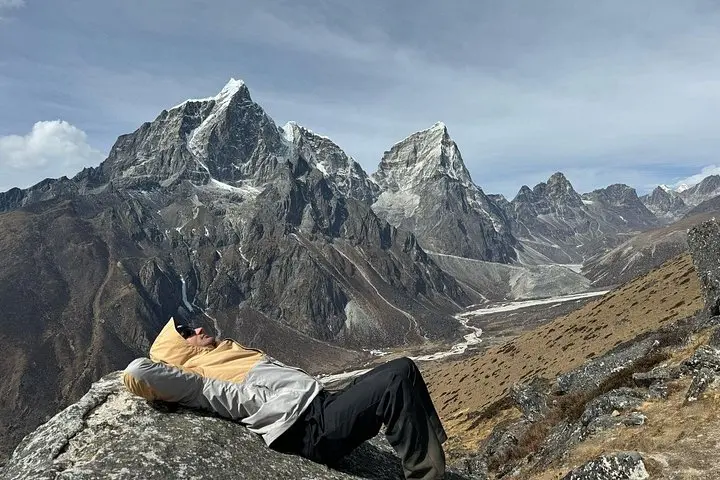
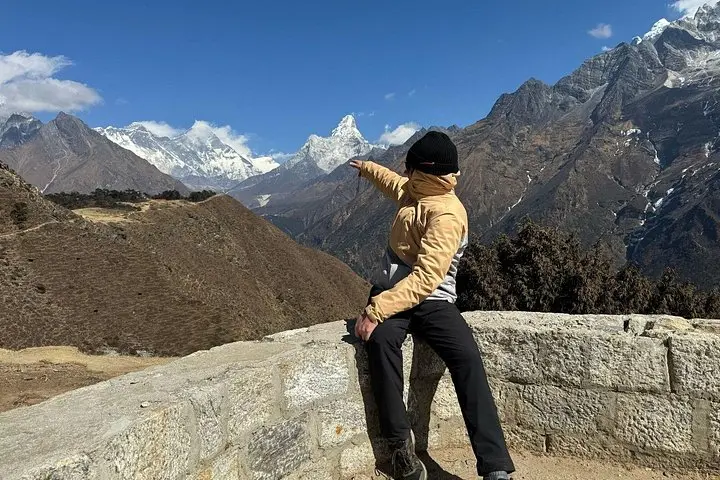
Expect earned panoramas: Everest, Lhotse, Nuptse and Ama Dablam puncture the skyline, while Kala Patthar provides the clearest sunrise vantage above the EBC moraine. Wildlife is subtle but present—Himalayan snowcock and musk deer may show themselves at lower clearings.
Practical guidance: pace for altitude—plan rest days in Namche and Dingboche, drink often, and monitor symptoms of AMS. Flights to/from Lukla are weather-dependent; allow buffer days. Guesthouses provide basic meals and hot water for a fee; a guide is strongly recommended for permit handling, navigation and safety. Bring a warm sleeping bag rated to -10°C or lower, sturdy insulated boots, and layered clothing for rapid temperature swings. With proper preparation this is a high-altitude trekking classic that rewards steady effort with uncompromising mountain views.
Yes—an experienced, licensed guide is strongly recommended for navigation, permitting and altitude monitoring; the route involves glacier moraine and variable conditions.
You need a Sagarmatha National Park entry permit and TIMS card; your operator usually secures these before trekking begins.
High during bad weather—flights can be delayed or rescheduled, so factor in buffer days and flexible onward travel plans.
Pre-monsoon spring (March–May) and post-monsoon fall (September–November) offer the most stable weather and clearest mountain views.
CAN Travels operates guided outdoor trips and adventures with an emphasis on safety, stewardship, and memorable experiences.
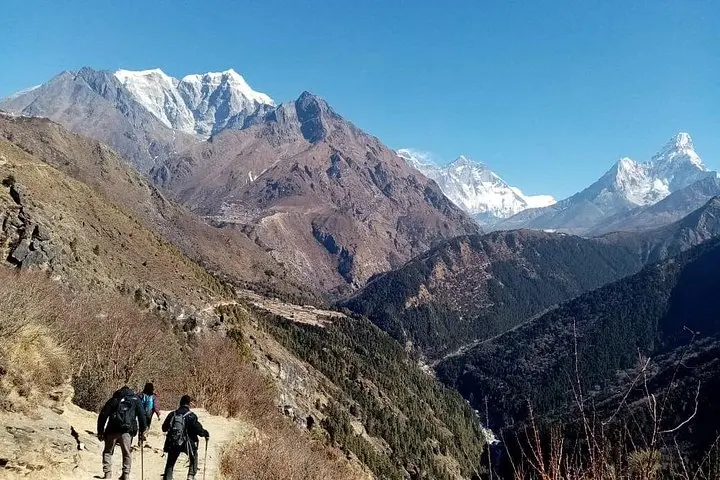
The flight into Lukla drops you onto a narrow runway carved into a mountain spine; prayer flags snap in thin air and the Dudh Koshi river threads silver through valley floors. From that abrupt arrival the trail threads villages of stone teahouses, rhododendron slopes and suspension bridges, each step lifting you higher into a landscape of moraine, ice and jagged summits.
The flight into Lukla drops you onto a narrow runway carved into a mountain spine; prayer flags snap in thin air and the Dudh Koshi river threads silver through valley floors. From that abrupt arrival the trail threads villages of stone teahouses, rhododendron slopes and suspension bridges, each step lifting you higher into a landscape of moraine, ice and jagged summits.
This route follows routes used by Sherpa traders and mountaineering expeditions for decades. Geologically the trek moves from younger river-cut valleys into the Khumbu Glacier’s moraine fields; you’ll notice the color change from dark forest soils to glacial grey as elevation climbs. Cultural stops—Namche Bazaar’s market, Tengboche Monastery, village mani walls—offer practical acclimatization and a window into Tibetan-Buddhist Sherpa life.
Expect earned panoramas: Everest, Lhotse, Nuptse and Ama Dablam puncture the skyline, while Kala Patthar provides the clearest sunrise vantage above the EBC moraine. Wildlife is subtle but present—Himalayan snowcock and musk deer may show themselves at lower clearings.
Practical guidance: pace for altitude—plan rest days in Namche and Dingboche, drink often, and monitor symptoms of AMS. Flights to/from Lukla are weather-dependent; allow buffer days. Guesthouses provide basic meals and hot water for a fee; a guide is strongly recommended for permit handling, navigation and safety. Bring a warm sleeping bag rated to -10°C or lower, sturdy insulated boots, and layered clothing for rapid temperature swings. With proper preparation this is a high-altitude trekking classic that rewards steady effort with uncompromising mountain views.