THE ADVENTURE COLLECTIVE® · Independent discovery and booking for outdoor travel

Fly into Lukla, walk through Sherpa villages, and stand near the Khumbu Icefall on a 14-day trek to Everest Base Camp. This guide outlines what to expect—terrain, culture, altitude strategy and gear—to help you plan a safe, rewarding Himalayan expedition.
Fly into Lukla, walk through Sherpa villages, and stand near the Khumbu Icefall on a 14-day trek to Everest Base Camp. This guide outlines what to expect—terrain, culture, altitude strategy and gear—to help you plan a safe, rewarding Himalayan expedition.
A cold, thin dawn arrives above the Khumbu and the small aircraft banks toward Lukla — a needle of runway clinging to a mountainside — and the trek begins. From the first suspension bridge across the Dudh Koshi to the jagged skyline above Gorak Shep, the route moves steadily upward, each village a pulse of Sherpa life and prayer flags snapping in the wind.
Verified experiences and guided adventures in the surrounding area.
Operated by Chamlang Expeditions · Kathmandu, Bagmati Province
A cold, thin dawn arrives above the Khumbu and the small aircraft banks toward Lukla — a needle of runway clinging to a mountainside — and the trek begins. From the first suspension bridge across the Dudh Koshi to the jagged skyline above Gorak Shep, the route moves steadily upward, each village a pulse of Sherpa life and prayer flags snapping in the wind.
The trail threads through Sagarmatha National Park, where glacial moraines and terminal icefalls reveal recent tectonic drama: uplift and erosion that raised Everest’s flanks. Namche Bazaar grew as a trading crossroads between Nepal and Tibet; Tengboche’s monastery is a living center of Tibetan Buddhist practice. Along the way you'll pass mani stones, chortens and age-old tea houses that keep the region’s culture in daily circulation.
Expect a cumulative ascent from Kathmandu (1,400 m) to Kala Patthar (5,555 m) with summit days to Everest Base Camp (~5,365 m). Typical daily legs range from 5–18 km on rocky, stepped trails with 300–1,200 m of elevation change on harder days. Acclimatization days at Namche and Dingboche are integral; altitude, not distance, dictates pace.
Practically, take layered clothing, a good down jacket and waterproof boots, and budget extra time for weather-delayed Lukla flights. Guides and porters ease logistics and are essential for high-altitude safety; permits (TIMS and Sagarmatha Park) and responsible-waste practices are mandatory. Hydrate deliberately, watch for AMS symptoms, and plan contingency days — the mountains demand respect but reward persistence with one of the clearest, closest encounters with Everest and the high Himalayan world.
Yes — Trekkers’ Information Management System (TIMS) card and Sagarmatha National Park permit are required and handled by guides or agencies.
The itinerary reaches Kala Patthar (~5,555 m) and approaches Everest Base Camp (~5,365 m); altitude is the primary challenge.
Physically fit beginners can attempt it with proper training, slow pacing, acclimatization days, and experienced guides; prior multi-day trekking is strongly advised.
Clear, stable weather is most likely in spring and fall; mornings can be very cold and afternoons prone to wind and clouds. Lukla flights are weather-dependent.
Chamlang Expeditions operates guided outdoor trips and adventures with an emphasis on safety, stewardship, and memorable experiences.
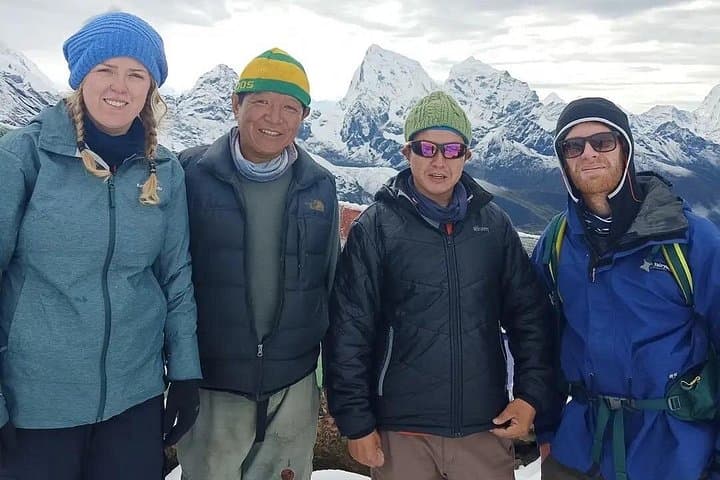
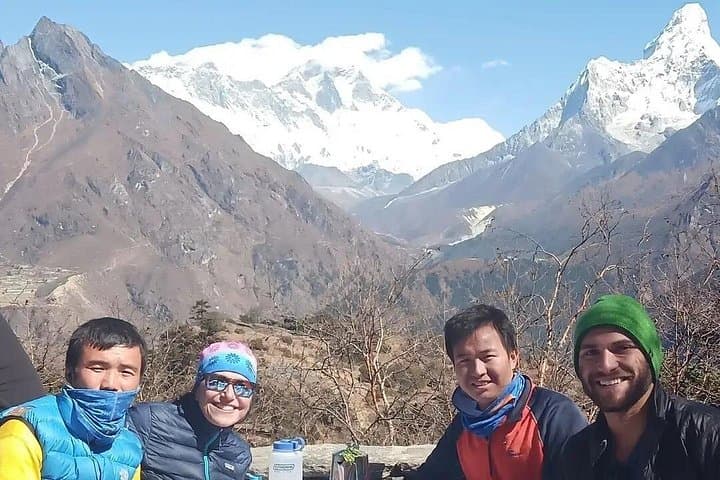

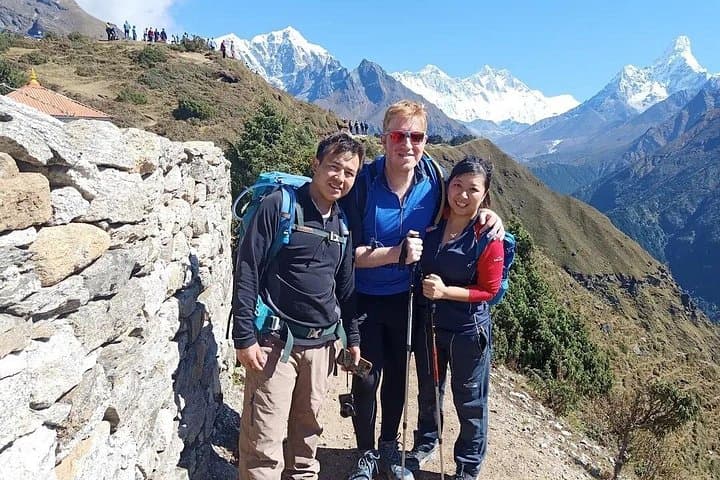
A cold, thin dawn arrives above the Khumbu and the small aircraft banks toward Lukla — a needle of runway clinging to a mountainside — and the trek begins. From the first suspension bridge across the Dudh Koshi to the jagged skyline above Gorak Shep, the route moves steadily upward, each village a pulse of Sherpa life and prayer flags snapping in the wind.
A cold, thin dawn arrives above the Khumbu and the small aircraft banks toward Lukla — a needle of runway clinging to a mountainside — and the trek begins. From the first suspension bridge across the Dudh Koshi to the jagged skyline above Gorak Shep, the route moves steadily upward, each village a pulse of Sherpa life and prayer flags snapping in the wind.
The trail threads through Sagarmatha National Park, where glacial moraines and terminal icefalls reveal recent tectonic drama: uplift and erosion that raised Everest’s flanks. Namche Bazaar grew as a trading crossroads between Nepal and Tibet; Tengboche’s monastery is a living center of Tibetan Buddhist practice. Along the way you'll pass mani stones, chortens and age-old tea houses that keep the region’s culture in daily circulation.
Expect a cumulative ascent from Kathmandu (1,400 m) to Kala Patthar (5,555 m) with summit days to Everest Base Camp (~5,365 m). Typical daily legs range from 5–18 km on rocky, stepped trails with 300–1,200 m of elevation change on harder days. Acclimatization days at Namche and Dingboche are integral; altitude, not distance, dictates pace.
Practically, take layered clothing, a good down jacket and waterproof boots, and budget extra time for weather-delayed Lukla flights. Guides and porters ease logistics and are essential for high-altitude safety; permits (TIMS and Sagarmatha Park) and responsible-waste practices are mandatory. Hydrate deliberately, watch for AMS symptoms, and plan contingency days — the mountains demand respect but reward persistence with one of the clearest, closest encounters with Everest and the high Himalayan world.