THE ADVENTURE COLLECTIVE® · Independent discovery and booking for outdoor travel

Walk Kathmandu’s living Buddhist sites from the hilltop stupa at Swayambhu to the sacred caves of Maratika and Pharping. This multi-day pilgrimage blends ritual, history, and manageable hikes with local guides and comfortable stays.
Walk Kathmandu’s living Buddhist sites from the hilltop stupa at Swayambhu to the sacred caves of Maratika and Pharping. This multi-day pilgrimage blends ritual, history, and manageable hikes with local guides and comfortable stays.
Morning light unspools over Kathmandu’s brick rooftops as monks chant at Swayambhu and prayer flags snap on the hill—this tour moves you through that rhythm. You’ll walk the rim of Boudhanath’s giant stupa, feel the press of Ason market where devotees and vendors rub shoulders, and follow quieter lanes into Pharping’s cave shrines where Guru Padmasambhava is said to have practiced.
Verified experiences and guided adventures in the surrounding area.
Operated by Three Jewels Adventures · Kathmandu, Bagmati Province
Morning light unspools over Kathmandu’s brick rooftops as monks chant at Swayambhu and prayer flags snap on the hill—this tour moves you through that rhythm. You’ll walk the rim of Boudhanath’s giant stupa, feel the press of Ason market where devotees and vendors rub shoulders, and follow quieter lanes into Pharping’s cave shrines where Guru Padmasambhava is said to have practiced.
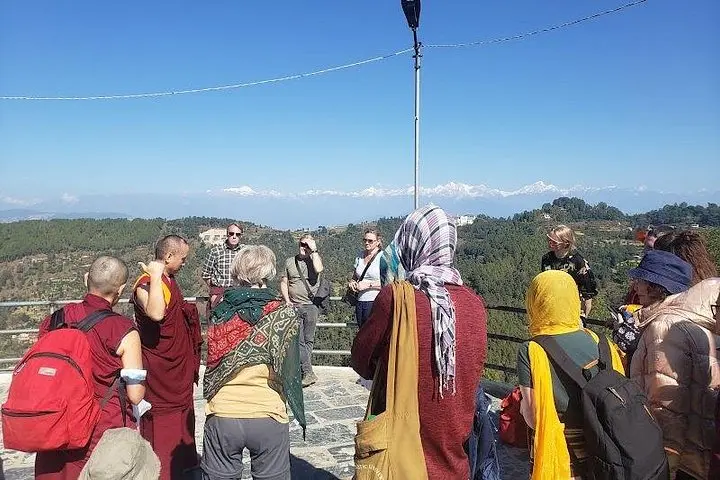
The valley’s layered history is visible in carved Newar temples, Tibetan gompas, and the stone-faced stupas that record centuries of trade and belief. Geologically the Kathmandu Basin is an alluvial bowl ringed by low ridges; trails to Namobuddha and Maratika climb out of the basin into forested slopes and terraced farmland, offering clearer air and wide views.
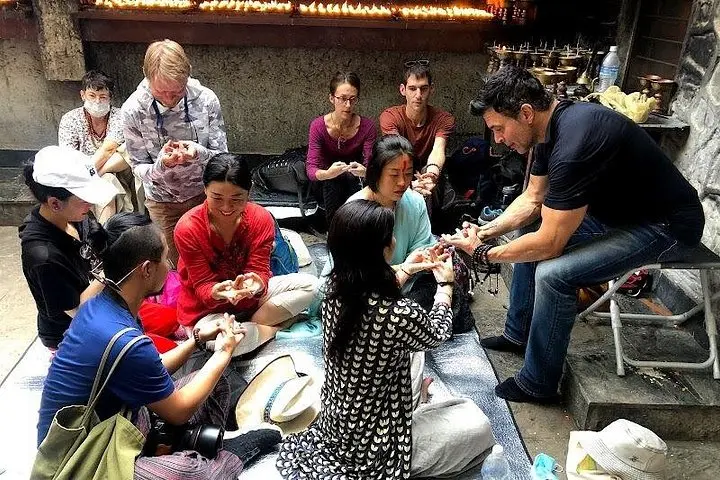
Culture here is practice as much as architecture—circumambulation, butter lamps, and offerings are part of daily life. Local guides will explain Newar Buddhist rituals and the Maratika caves associated with Padmasambhava and long-life teachings. Expect sections of easy walking, some short uphill stretches, and multi-hour drives between sites.
Practically: dress modestly, carry small cash for temple donations and local markets, and schedule rests to accommodate changing altitude and long travel days. Footwear should be sturdy but comfortable for paved lanes and rocky paths; a daypack with water, rain layer and sun protection keeps you moving. Timing visits for early morning or late afternoon reduces crowds at major stupas and gives the light that brings the valley’s stone and prayer flags to life.
No special permits are required for the listed pilgrimage sites, but carry passport and travel documents for bookings and any domestic travel.
Yes if you can manage short walks and long vehicle transfers; accommodations include 4-star and guest-house options with moderate comfort.
Autumn (Oct–Nov) and spring (Mar–Apr) offer clearer skies and mild temperatures; avoid peak monsoon for heavy rains.
Yes—most gompas and caves require shoe removal and modest dress; guides will explain appropriate behavior and where photography is allowed.
Three Jewels Adventures operates guided outdoor trips and adventures with an emphasis on safety, stewardship, and memorable experiences.
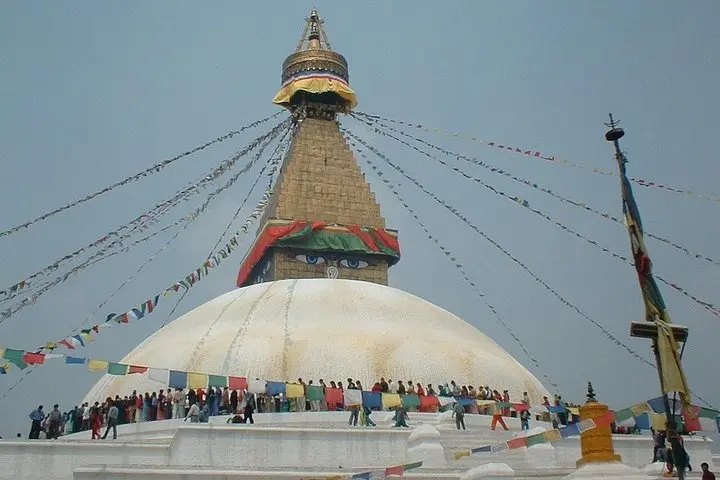
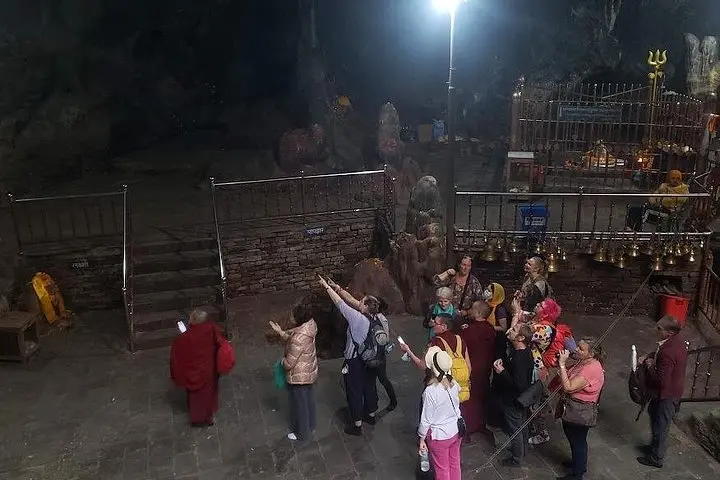
Morning light unspools over Kathmandu’s brick rooftops as monks chant at Swayambhu and prayer flags snap on the hill—this tour moves you through that rhythm. You’ll walk the rim of Boudhanath’s giant stupa, feel the press of Ason market where devotees and vendors rub shoulders, and follow quieter lanes into Pharping’s cave shrines where Guru Padmasambhava is said to have practiced.
Morning light unspools over Kathmandu’s brick rooftops as monks chant at Swayambhu and prayer flags snap on the hill—this tour moves you through that rhythm. You’ll walk the rim of Boudhanath’s giant stupa, feel the press of Ason market where devotees and vendors rub shoulders, and follow quieter lanes into Pharping’s cave shrines where Guru Padmasambhava is said to have practiced.
The valley’s layered history is visible in carved Newar temples, Tibetan gompas, and the stone-faced stupas that record centuries of trade and belief. Geologically the Kathmandu Basin is an alluvial bowl ringed by low ridges; trails to Namobuddha and Maratika climb out of the basin into forested slopes and terraced farmland, offering clearer air and wide views.
Culture here is practice as much as architecture—circumambulation, butter lamps, and offerings are part of daily life. Local guides will explain Newar Buddhist rituals and the Maratika caves associated with Padmasambhava and long-life teachings. Expect sections of easy walking, some short uphill stretches, and multi-hour drives between sites.
Practically: dress modestly, carry small cash for temple donations and local markets, and schedule rests to accommodate changing altitude and long travel days. Footwear should be sturdy but comfortable for paved lanes and rocky paths; a daypack with water, rain layer and sun protection keeps you moving. Timing visits for early morning or late afternoon reduces crowds at major stupas and gives the light that brings the valley’s stone and prayer flags to life.