THE ADVENTURE COLLECTIVE® · Independent discovery and booking for outdoor travel

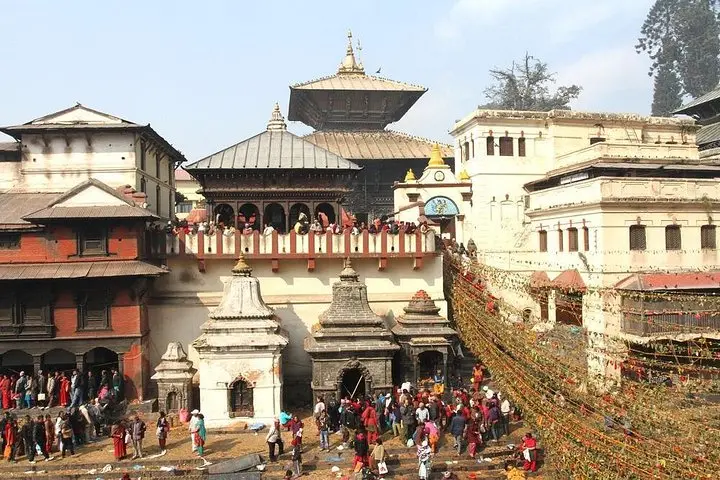
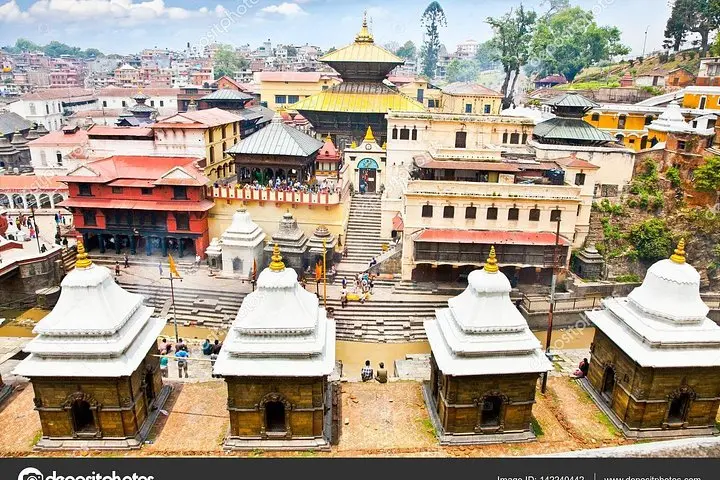
A full-day, guide-led loop through Kathmandu’s UNESCO sites—Swayambhunath, Boudhanath, Pashupatinath and Patan—mixes palpable history with everyday rituals. Expect stairs, narrow alleys, rich temple art and practical tips for respectful visiting.
A full-day, guide-led loop through Kathmandu’s UNESCO sites—Swayambhunath, Boudhanath, Pashupatinath and Patan—mixes palpable history with everyday rituals. Expect stairs, narrow alleys, rich temple art and practical tips for respectful visiting.
Morning light slices across brick courtyards as the city wakes — prayer flags flapping, the scent of incense trailing from temple doors, and the first clatter of vendor carts in narrow alleys. A full-day Kathmandu City Tour threads these moments into a single route: hilltop stupas, crowded bazaars, rivers where ritual and daily life meet.
Verified experiences and guided adventures in the surrounding area.
Operated by icicles adventure treks and tours · Kathmandu, Bagmati Province
Morning light slices across brick courtyards as the city wakes — prayer flags flapping, the scent of incense trailing from temple doors, and the first clatter of vendor carts in narrow alleys. A full-day Kathmandu City Tour threads these moments into a single route: hilltop stupas, crowded bazaars, rivers where ritual and daily life meet.
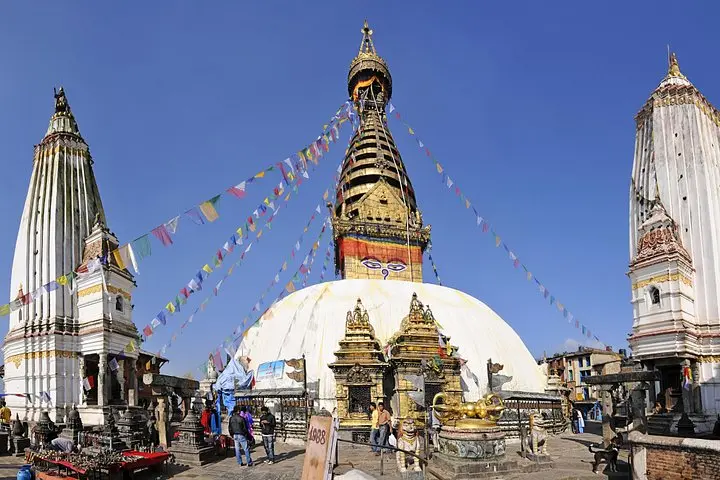
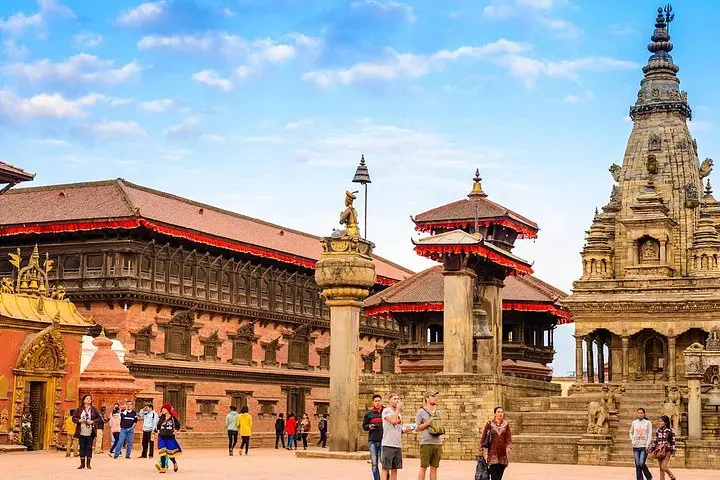
The valley’s story reads in stone. Geologically a drained lake according to legend, Kathmandu sits in a shallow basin ringed by green hills; culturally it is a crossroads where Newar artisans refined pagodas and stupas centuries ago. Swayambhunath’s white dome surveys the city like a watchful elder; Boudhanath’s colossal mandala draws Tibetan Buddhist practice and prayer wheels that click like carved metronomes. Patan and Kathmandu Durbar Squares show medieval palace carpentry and stonework—places where kings, craftsmen and daily worship have overlapped for a millennium.
Expect a paced day of walking, stair climbs and short drives between UNESCO sites, with time for temple circumambulations, museum rooms of gilt sculpture, and a lunch of Newari dishes warmed on wood-fired stoves. Local guides translate ritual gestures and point out subtle carvings; vendors and monks add color and honest hustle.
Practical edge: carry cash for small offerings, wear conservative clothing for temple entry, and plan the tour early to avoid afternoon smog and crowds. Hydrate between long stair sections; shoes with good traction are helpful on uneven stone. This tour is less about speed than context—go ready to observe, listen and step lightly through living heritage.
This private tour runs roughly 10–11 hours, covering several major sites with short drives between them.
Admissions depend on individual sites; the tour typically covers entry logistics but some monuments may charge separate fees.
Children can join, but the itinerary includes stairs and uneven ground; check wheelchair accessibility and request modifications when booking.
Yes—small vendors, offerings and some museum stalls accept cash only, so carry Nepali rupees for convenience.
icicles adventure treks and tours operates guided outdoor trips and adventures with an emphasis on safety, stewardship, and memorable experiences.
Morning light slices across brick courtyards as the city wakes — prayer flags flapping, the scent of incense trailing from temple doors, and the first clatter of vendor carts in narrow alleys. A full-day Kathmandu City Tour threads these moments into a single route: hilltop stupas, crowded bazaars, rivers where ritual and daily life meet.
Morning light slices across brick courtyards as the city wakes — prayer flags flapping, the scent of incense trailing from temple doors, and the first clatter of vendor carts in narrow alleys. A full-day Kathmandu City Tour threads these moments into a single route: hilltop stupas, crowded bazaars, rivers where ritual and daily life meet.
The valley’s story reads in stone. Geologically a drained lake according to legend, Kathmandu sits in a shallow basin ringed by green hills; culturally it is a crossroads where Newar artisans refined pagodas and stupas centuries ago. Swayambhunath’s white dome surveys the city like a watchful elder; Boudhanath’s colossal mandala draws Tibetan Buddhist practice and prayer wheels that click like carved metronomes. Patan and Kathmandu Durbar Squares show medieval palace carpentry and stonework—places where kings, craftsmen and daily worship have overlapped for a millennium.
Expect a paced day of walking, stair climbs and short drives between UNESCO sites, with time for temple circumambulations, museum rooms of gilt sculpture, and a lunch of Newari dishes warmed on wood-fired stoves. Local guides translate ritual gestures and point out subtle carvings; vendors and monks add color and honest hustle.
Practical edge: carry cash for small offerings, wear conservative clothing for temple entry, and plan the tour early to avoid afternoon smog and crowds. Hydrate between long stair sections; shoes with good traction are helpful on uneven stone. This tour is less about speed than context—go ready to observe, listen and step lightly through living heritage.