THE ADVENTURE COLLECTIVE® · Independent discovery and booking for outdoor travel

A focused day tour that stitches together three of Kathmandu Valley’s UNESCO sites—Boudhanath stupa, Pashupatinath temple and Bhaktapur Durbar Square—into an efficient, immersive cultural loop. Expect ritual, crafts, and uneven stone streets on a 6–7 hour private tour.
A focused day tour that stitches together three of Kathmandu Valley’s UNESCO sites—Boudhanath stupa, Pashupatinath temple and Bhaktapur Durbar Square—into an efficient, immersive cultural loop. Expect ritual, crafts, and uneven stone streets on a 6–7 hour private tour.
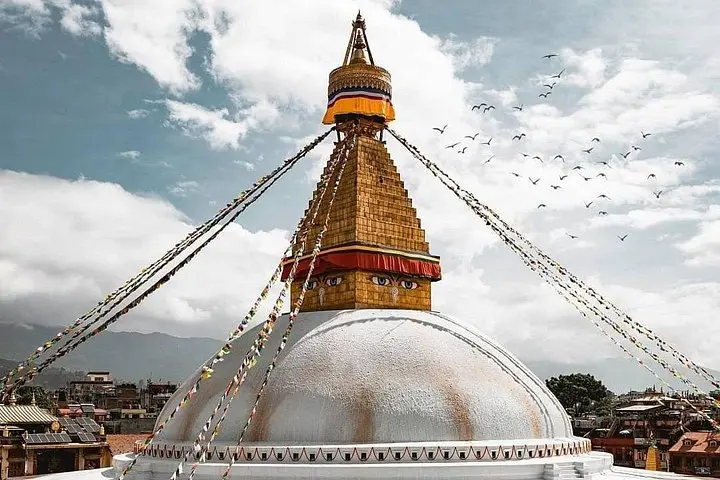
Morning light filters through prayer flags as your vehicle threads Kathmandu’s congested arteries toward quieter courtyards and giant domes. The tour opens at Boudhanath, where pilgrims circle the 5th-century stupa and prayer wheels click like a communal heartbeat. From there the scent of incense and the low murmur of Vedic chants mark a visit to Pashupatinath—its ghats a raw, living chapter of Hindu ritual and the cycle of life.
Verified experiences and guided adventures in the surrounding area.
Operated by The Xutti Pvt Ltd · Kathmandu, Bagmati Province
Morning light filters through prayer flags as your vehicle threads Kathmandu’s congested arteries toward quieter courtyards and giant domes. The tour opens at Boudhanath, where pilgrims circle the 5th-century stupa and prayer wheels click like a communal heartbeat. From there the scent of incense and the low murmur of Vedic chants mark a visit to Pashupatinath—its ghats a raw, living chapter of Hindu ritual and the cycle of life.
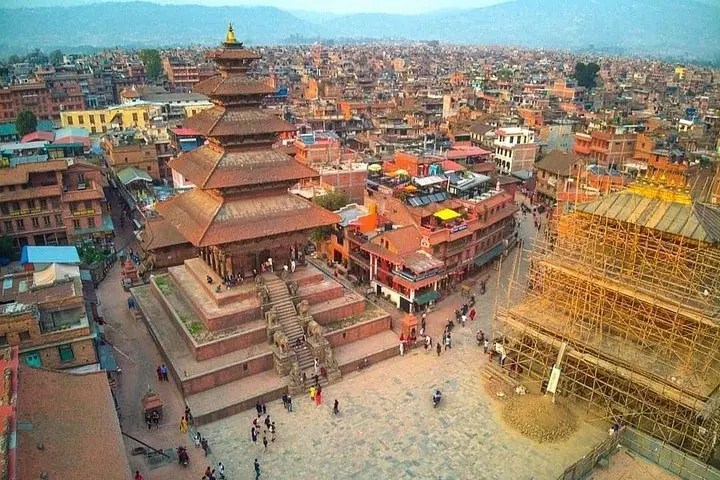
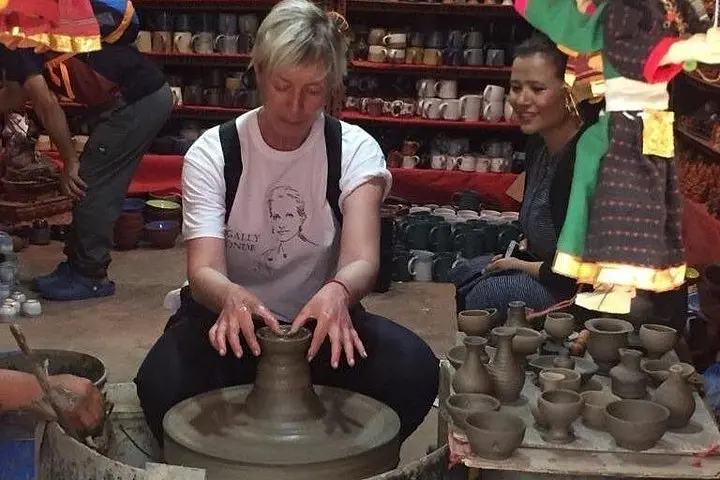
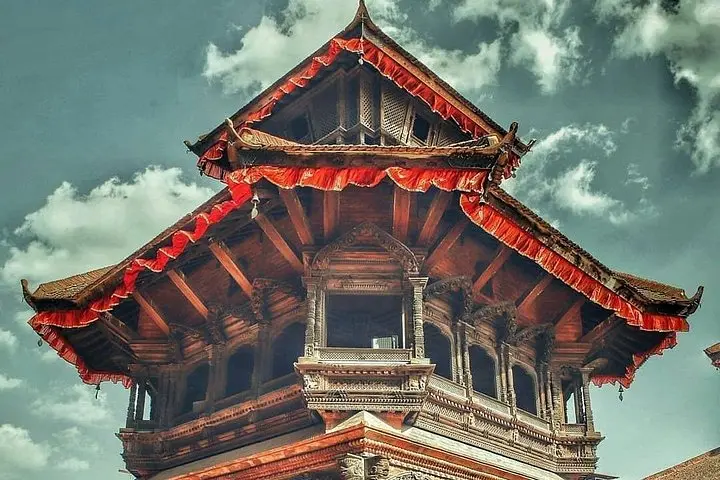
Bhaktapur Durbar Square rounds out the day: brick alleys, timber-framed windows, and the five-story Nyatapola temple rise from a medieval urban plan preserved since the Malla era. Geology here is Kathmandu Valley’s old lakebed—compact clay soils underlay the plazas and dictate the vernacular brick architecture. Culturally, the valley is Newar country; artisans, potters and priests continue centuries-old traditions that UNESCO protects.
Practical notes: this private, AC vehicle tour runs about 6–7 hours and includes a guide and bottled water; entrance fees are listed as included. Expect moderate walking on uneven stone and occasional dust; respectful clothing is required at temples (covered shoulders and knees). Photography is welcome at most sites but avoid intrusive shots at cremation ghats. Start early to beat the heaviest traffic and late-afternoon light for Bhaktapur photos. Hydrate between stops and wear grippy shoes for steps and courtyard stones.
This is a compact cultural loop that balances immersive encounters with efficient logistics—ideal for travelers who want an intensive snapshot of Kathmandu’s living heritage without logistics friction.
The tour description states entrance fees are included; confirm with your operator at booking for any site-specific surcharges.
Yes—Pashupatinath is an active cremation ghat; the tour includes viewing areas, but please follow guide directions and refrain from intrusive photography.
The itinerary is labeled easy with moderate walking; children and older travelers can participate but should be comfortable with short walks and steps.
International visitors need a valid passport and any required Nepal visa; bring passport details as requested when booking for transfers and permits.
The Xutti Pvt Ltd operates guided outdoor trips and adventures with an emphasis on safety, stewardship, and memorable experiences.
Morning light filters through prayer flags as your vehicle threads Kathmandu’s congested arteries toward quieter courtyards and giant domes. The tour opens at Boudhanath, where pilgrims circle the 5th-century stupa and prayer wheels click like a communal heartbeat. From there the scent of incense and the low murmur of Vedic chants mark a visit to Pashupatinath—its ghats a raw, living chapter of Hindu ritual and the cycle of life.
Morning light filters through prayer flags as your vehicle threads Kathmandu’s congested arteries toward quieter courtyards and giant domes. The tour opens at Boudhanath, where pilgrims circle the 5th-century stupa and prayer wheels click like a communal heartbeat. From there the scent of incense and the low murmur of Vedic chants mark a visit to Pashupatinath—its ghats a raw, living chapter of Hindu ritual and the cycle of life.
Bhaktapur Durbar Square rounds out the day: brick alleys, timber-framed windows, and the five-story Nyatapola temple rise from a medieval urban plan preserved since the Malla era. Geology here is Kathmandu Valley’s old lakebed—compact clay soils underlay the plazas and dictate the vernacular brick architecture. Culturally, the valley is Newar country; artisans, potters and priests continue centuries-old traditions that UNESCO protects.
Practical notes: this private, AC vehicle tour runs about 6–7 hours and includes a guide and bottled water; entrance fees are listed as included. Expect moderate walking on uneven stone and occasional dust; respectful clothing is required at temples (covered shoulders and knees). Photography is welcome at most sites but avoid intrusive shots at cremation ghats. Start early to beat the heaviest traffic and late-afternoon light for Bhaktapur photos. Hydrate between stops and wear grippy shoes for steps and courtyard stones.
This is a compact cultural loop that balances immersive encounters with efficient logistics—ideal for travelers who want an intensive snapshot of Kathmandu’s living heritage without logistics friction.