THE ADVENTURE COLLECTIVE® · Independent discovery and booking for outdoor travel

A one-day guided loop through Kathmandu’s four major sites—Durbar Square, Swayambhunath, Pashupatinath and Boudhanath—this tour mixes history, ritual and close-up cultural insight with private transport and a local guide. Ideal for first-time visitors who want context with their sightseeing.
A one-day guided loop through Kathmandu’s four major sites—Durbar Square, Swayambhunath, Pashupatinath and Boudhanath—this tour mixes history, ritual and close-up cultural insight with private transport and a local guide. Ideal for first-time visitors who want context with their sightseeing.
Morning light slices through prayer flags as you step from a private vehicle into Kathmandu’s layered streets—stone courtyards, flocks of pigeons and the distant silhouette of the Himalaya when the air is clear.
Verified experiences and guided adventures in the surrounding area.
Operated by Frolic Adventure Pvt. Ltd. · Kathmandu, Bagmati Province
Morning light slices through prayer flags as you step from a private vehicle into Kathmandu’s layered streets—stone courtyards, flocks of pigeons and the distant silhouette of the Himalaya when the air is clear.
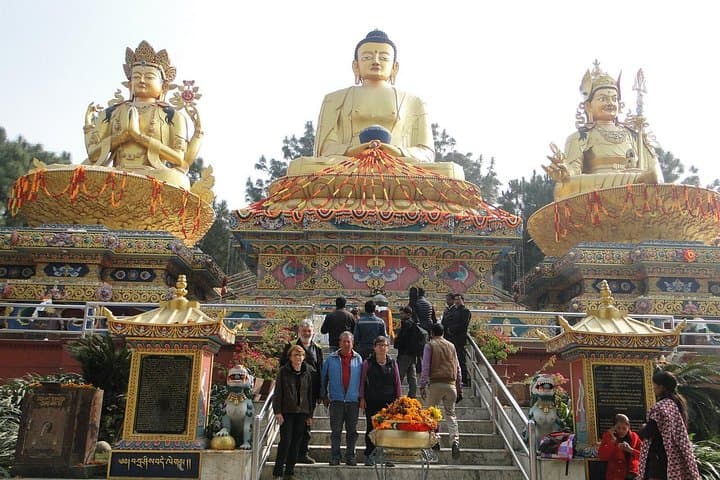
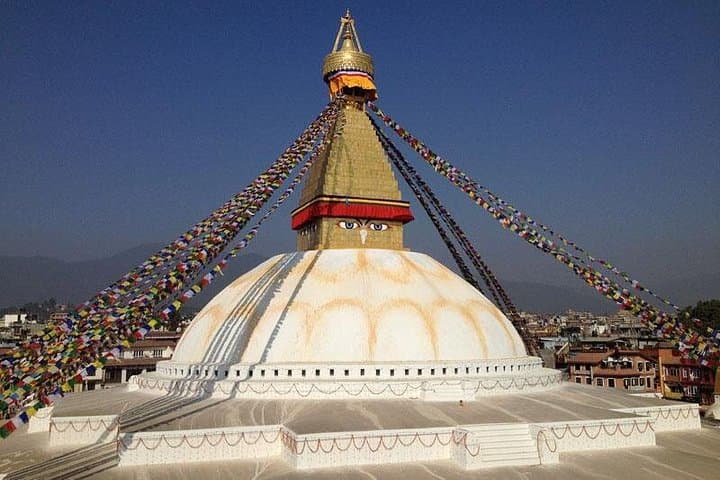
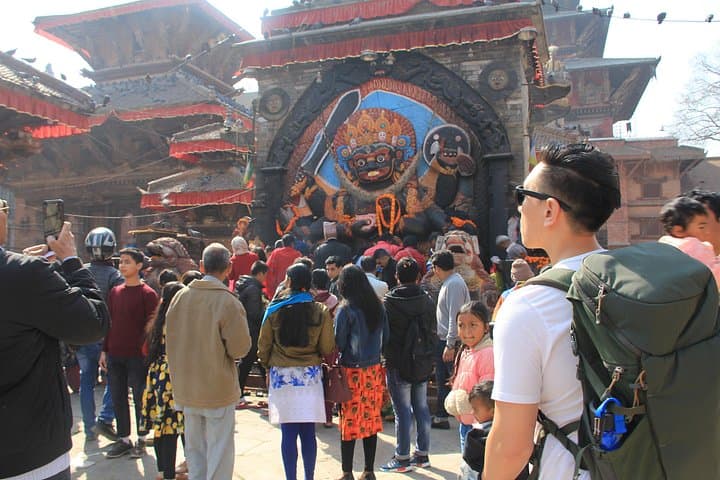
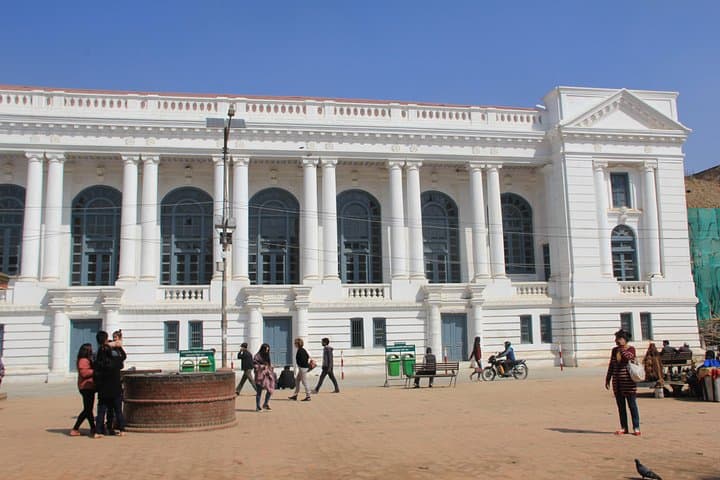
This full-day circuit moves through four UNESCO and sacred sites: the medieval palace complex of Kathmandu Durbar Square, the hilltop Swayambhunath stupa with its resident macaques, the riverside cremation ghats of Pashupatinath, and the towering Boudhanath stupa ringed by monasteries.
Geologically the city sits in the Kathmandu Basin, an intermontane bowl that traps air and histories alike; architecturally, the sites show centuries of Newar craftsmanship, Buddhist and Hindu ritual overlap, and reconstruction efforts since the 2015 earthquakes.
Culturally you’ll witness living traditions—Kumari shrine rituals, Buddhist circumambulation, and open-air rites along the Bagmati River—guided explanations make context immediate without being academic.
Practical edge: expect seven to eight hours on mostly paved lanes, occasional stairs and short uphill approaches (Swayambhunath is the steepest). Wear sturdy walking shoes and modest clothing for temple entry. Carry cash for small donations and permits; many sites charge modest entry fees that aren’t always included.
Timing matters—early mornings and late afternoons offer softer light and fewer crowds; avoid monsoon downpours if possible. Photography is welcomed in most places but restricted at some shrines—follow your guide. The tour suits travelers of most fitness levels and provides hotel pickup and drop-off by private vehicle, so you move efficiently between dispersed city highlights.
Yes — the tour includes hotel pickup and drop-off by private vehicle within Kathmandu city limits.
Most bookings do not include site admissions; bring cash to cover entry fees and any optional donations.
It’s rated easy and suitable for most ages, but note there are stairs (Swayambhunath) and some walking; contact the operator for specific mobility needs.
Photography is allowed at most locations but restricted in certain temple interiors and during specific rituals—follow your guide’s instructions.
Frolic Adventure Pvt. Ltd. operates guided outdoor trips and adventures with an emphasis on safety, stewardship, and memorable experiences.
Morning light slices through prayer flags as you step from a private vehicle into Kathmandu’s layered streets—stone courtyards, flocks of pigeons and the distant silhouette of the Himalaya when the air is clear.
Morning light slices through prayer flags as you step from a private vehicle into Kathmandu’s layered streets—stone courtyards, flocks of pigeons and the distant silhouette of the Himalaya when the air is clear.
This full-day circuit moves through four UNESCO and sacred sites: the medieval palace complex of Kathmandu Durbar Square, the hilltop Swayambhunath stupa with its resident macaques, the riverside cremation ghats of Pashupatinath, and the towering Boudhanath stupa ringed by monasteries.
Geologically the city sits in the Kathmandu Basin, an intermontane bowl that traps air and histories alike; architecturally, the sites show centuries of Newar craftsmanship, Buddhist and Hindu ritual overlap, and reconstruction efforts since the 2015 earthquakes.
Culturally you’ll witness living traditions—Kumari shrine rituals, Buddhist circumambulation, and open-air rites along the Bagmati River—guided explanations make context immediate without being academic.
Practical edge: expect seven to eight hours on mostly paved lanes, occasional stairs and short uphill approaches (Swayambhunath is the steepest). Wear sturdy walking shoes and modest clothing for temple entry. Carry cash for small donations and permits; many sites charge modest entry fees that aren’t always included.
Timing matters—early mornings and late afternoons offer softer light and fewer crowds; avoid monsoon downpours if possible. Photography is welcomed in most places but restricted at some shrines—follow your guide. The tour suits travelers of most fitness levels and provides hotel pickup and drop-off by private vehicle, so you move efficiently between dispersed city highlights.