THE ADVENTURE COLLECTIVE® · Independent discovery and booking for outdoor travel

See Kathmandu’s three spiritual pillars in a single day: hilltop Swayambhunath, riverside Pashupatinath, and the vast Boudhanath stupa, finishing at Basantapur Durbar Square. This practical guide helps you navigate culture, timing, and what to bring.
See Kathmandu’s three spiritual pillars in a single day: hilltop Swayambhunath, riverside Pashupatinath, and the vast Boudhanath stupa, finishing at Basantapur Durbar Square. This practical guide helps you navigate culture, timing, and what to bring.
You climb the stone steps to Swayambhunath before the city warms—monkeys inspect your pack while prayer flags snap in a sharp breeze that tugs the valley’s dust into motion.
Verified experiences and guided adventures in the surrounding area.
Operated by Alpine Ramble Treks · Kathmandu, Bagmati Province
You climb the stone steps to Swayambhunath before the city warms—monkeys inspect your pack while prayer flags snap in a sharp breeze that tugs the valley’s dust into motion.
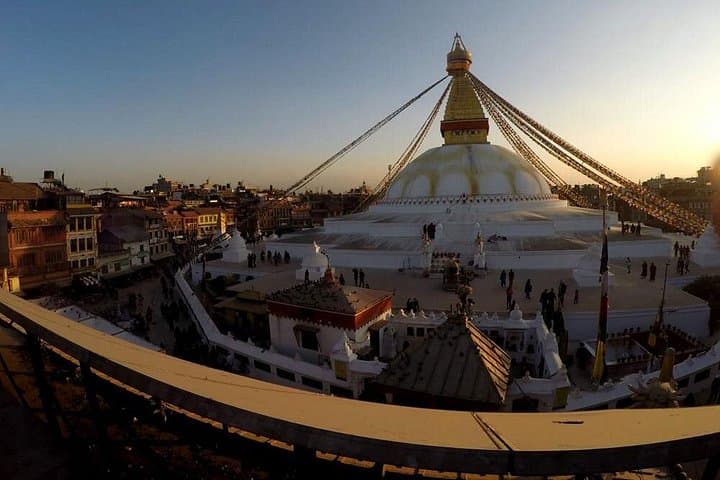
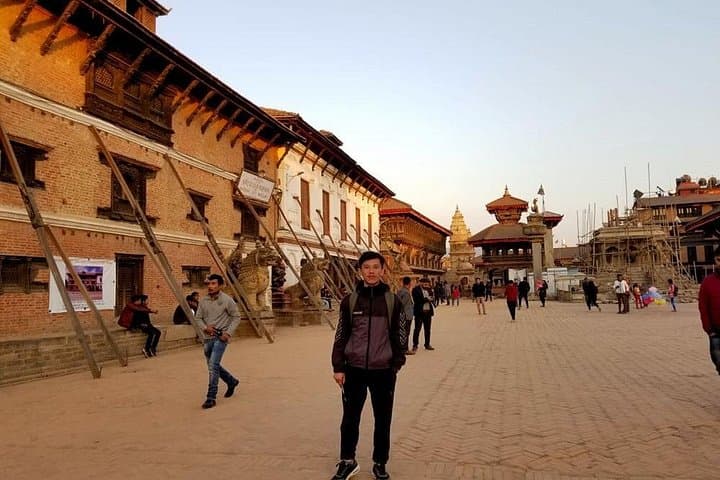
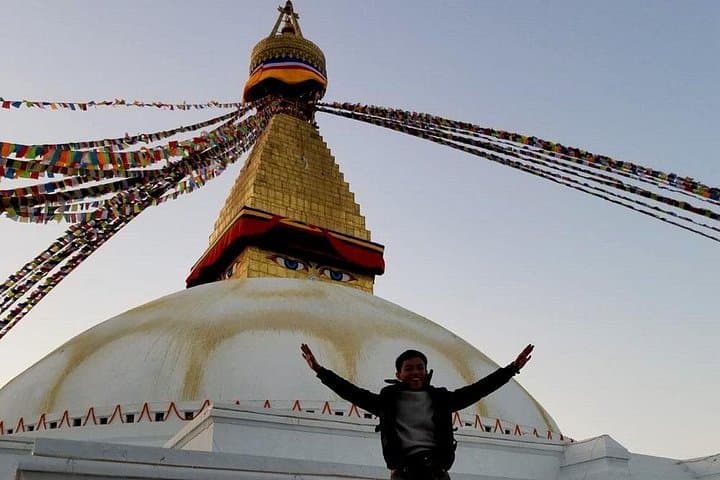
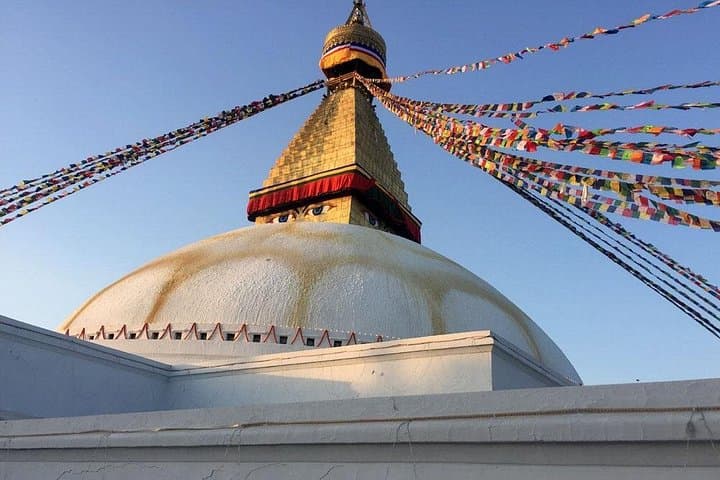
This full-day circuit stitches together Kathmandu’s living history. Swayambhunath perches above the bowl-shaped Kathmandu Valley, offering a vantage forged by tectonic uplift and centuries of pilgrimage. Downriver, the Bagmati flows along Pashupatinath’s ghats where Shiva worship and cremation rites continue beside temple bells and the low murmur of priests; the river seems to carry both smoke and solemnity downstream. Boudhanath’s massive stupa draws circumambulating devotees in slow, focused rotations—prayer wheels click like a communal metronome—before you finish amid the crowded courtyards of Basantapur Durbar Square, where Newar craftsmanship and palaces frame urban life.
Expect urban walking on uneven stone and paved surfaces, short stair climbs at temples, and regular stops for photo and reflection. Cultural context matters: dress modestly, remove shoes where required, and accept that some areas are active religious sites rather than museum exhibits. Morning light gives clearer views and lighter traffic; afternoons can be hazy and busier.
Practical notes: bring a refillable water bottle, small change for donations or incense, light layers for variable temperatures, and comfortable walking shoes. Your private transport and English guide simplify logistics, but leave time for slow moments—watch the monks at Boudhanath, listen for bells at Pashupatinath, and plan 4–6 hours to move intentionally through the city’s spiritual core.
Yes—this private tour includes breakfast and lunch as listed; confirm dietary needs when booking.
Private transportation is included; indicate your pickup point and flight details at booking for hotel transfers.
Some temples accept donations and small fees; carry modest local currency for offerings, photos, or minor purchases.
The tour is described as suitable for all fitness levels, but expect stairs and uneven surfaces that may challenge limited mobility—discuss accommodations with the operator.
Alpine Ramble Treks operates guided outdoor trips and adventures with an emphasis on safety, stewardship, and memorable experiences.
You climb the stone steps to Swayambhunath before the city warms—monkeys inspect your pack while prayer flags snap in a sharp breeze that tugs the valley’s dust into motion.
You climb the stone steps to Swayambhunath before the city warms—monkeys inspect your pack while prayer flags snap in a sharp breeze that tugs the valley’s dust into motion.
This full-day circuit stitches together Kathmandu’s living history. Swayambhunath perches above the bowl-shaped Kathmandu Valley, offering a vantage forged by tectonic uplift and centuries of pilgrimage. Downriver, the Bagmati flows along Pashupatinath’s ghats where Shiva worship and cremation rites continue beside temple bells and the low murmur of priests; the river seems to carry both smoke and solemnity downstream. Boudhanath’s massive stupa draws circumambulating devotees in slow, focused rotations—prayer wheels click like a communal metronome—before you finish amid the crowded courtyards of Basantapur Durbar Square, where Newar craftsmanship and palaces frame urban life.
Expect urban walking on uneven stone and paved surfaces, short stair climbs at temples, and regular stops for photo and reflection. Cultural context matters: dress modestly, remove shoes where required, and accept that some areas are active religious sites rather than museum exhibits. Morning light gives clearer views and lighter traffic; afternoons can be hazy and busier.
Practical notes: bring a refillable water bottle, small change for donations or incense, light layers for variable temperatures, and comfortable walking shoes. Your private transport and English guide simplify logistics, but leave time for slow moments—watch the monks at Boudhanath, listen for bells at Pashupatinath, and plan 4–6 hours to move intentionally through the city’s spiritual core.