THE ADVENTURE COLLECTIVE® · Independent discovery and booking for outdoor travel

See Kathmandu’s UNESCO temples, bustling markets and living traditions in a single well‑paced day. This guided tour pairs cultural context with practical logistics—ideal for first‑time visitors.
See Kathmandu’s UNESCO temples, bustling markets and living traditions in a single well‑paced day. This guided tour pairs cultural context with practical logistics—ideal for first‑time visitors.
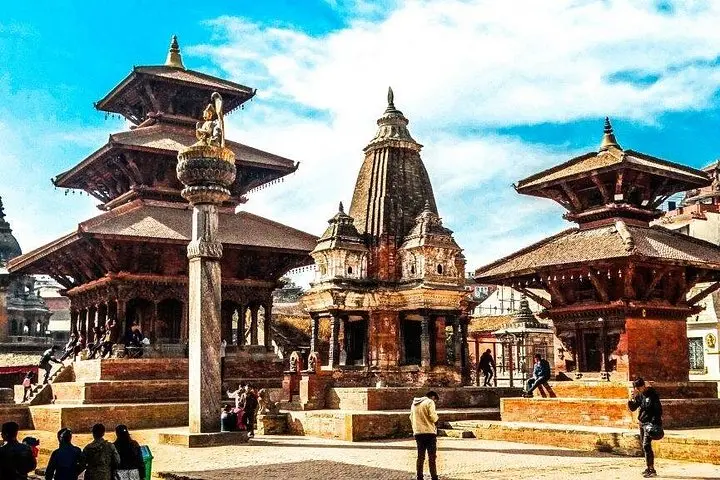
A morning in Kathmandu arrives with the clack of rickshaw wheels and prayer flags flapping above stone courtyards. You step from an air‑conditioned private car into a city that still moves at the rhythm of temple bells — Durbar Square’s carved wooden windows watch over traders and pilgrims, while a stupa’s white dome keeps time with the turning of prayer wheels.
Verified experiences and guided adventures in the surrounding area.
Operated by Mount Advenutre Holidays · Kathmandu, Bagmati Province
A morning in Kathmandu arrives with the clack of rickshaw wheels and prayer flags flapping above stone courtyards. You step from an air‑conditioned private car into a city that still moves at the rhythm of temple bells — Durbar Square’s carved wooden windows watch over traders and pilgrims, while a stupa’s white dome keeps time with the turning of prayer wheels.
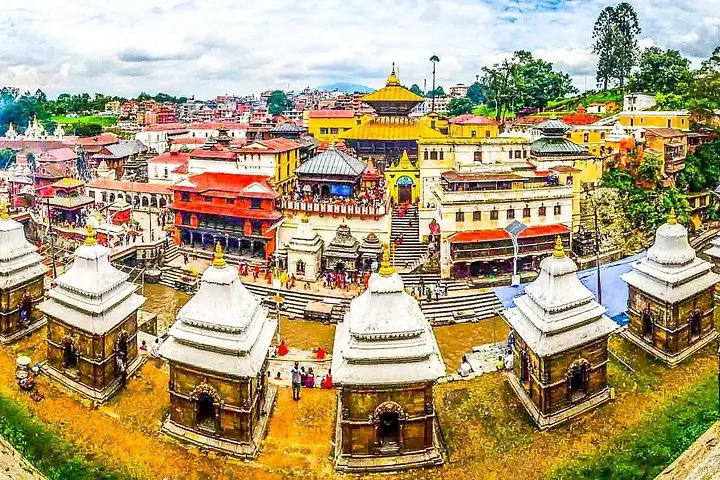
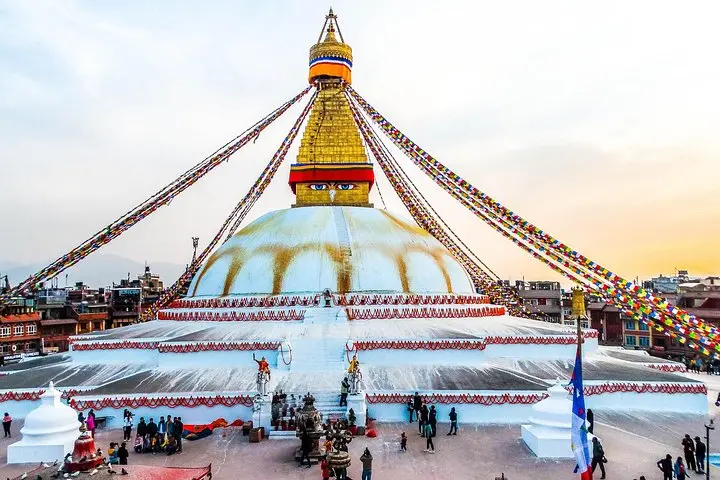
The Kathmandu Valley is an ancient bowl carved by uplift and river action on the edge of the Himalaya, its compact historic cores—Kathmandu, Patan and Bhaktapur—holding centuries of Newar craftsmanship. On a day tour you’ll see UNESCO‑listed monuments: the royal palaces and open courtyards of Basantapur, the golden spire and monks at Boudhanath, and the layered shrines of Swayambhu (Monkey Temple). Along narrow lanes, sellers of paubha paintings and metalworkers carry traditions that survived centuries of trade, conquest and seismic shocks.
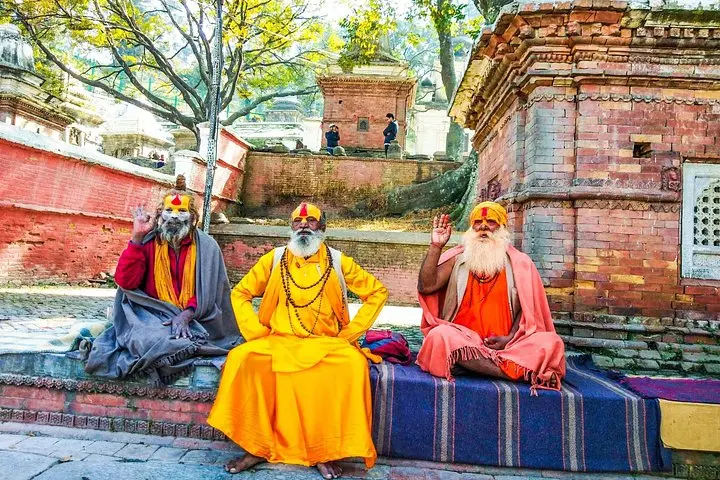
Expect a culturally dense day: short temple visits, modest walking over uneven stone and occasional stairs, and time in a local eatery for Nepali dal bhat. Guides explain iconography, ritual practice and local taboos—use their advice about photography and dress.
Practical edge: the tour runs roughly 6–8 hours, includes pickup and drop‑off, bottled water and a private guide, and works for most fitness levels. Bring layered clothing for sudden weather, comfortable walking shoes for cobbled surfaces, and small cash for markets and temple donations. Aim for morning starts to avoid the hottest hours and give yourself margin for traffic. Respect shrines, remove shoes where required, and carry a small hand sanitizer—the city offers endless detail, and a well‑paced day tour delivers the highlights with context.
The tour runs about 6–8 hours depending on traffic and how long you spend at each site.
Confirm with your booking—many day tours include key site fees, but some optional entries or donations may be extra.
Yes; the physical demand is low, but expect some stairs and cobbled walking—notify the operator of mobility needs for pickup adjustments.
Guides commonly speak English; check the tour listing if you require another language.
Mount Advenutre Holidays operates guided outdoor trips and adventures with an emphasis on safety, stewardship, and memorable experiences.
A morning in Kathmandu arrives with the clack of rickshaw wheels and prayer flags flapping above stone courtyards. You step from an air‑conditioned private car into a city that still moves at the rhythm of temple bells — Durbar Square’s carved wooden windows watch over traders and pilgrims, while a stupa’s white dome keeps time with the turning of prayer wheels.
A morning in Kathmandu arrives with the clack of rickshaw wheels and prayer flags flapping above stone courtyards. You step from an air‑conditioned private car into a city that still moves at the rhythm of temple bells — Durbar Square’s carved wooden windows watch over traders and pilgrims, while a stupa’s white dome keeps time with the turning of prayer wheels.
The Kathmandu Valley is an ancient bowl carved by uplift and river action on the edge of the Himalaya, its compact historic cores—Kathmandu, Patan and Bhaktapur—holding centuries of Newar craftsmanship. On a day tour you’ll see UNESCO‑listed monuments: the royal palaces and open courtyards of Basantapur, the golden spire and monks at Boudhanath, and the layered shrines of Swayambhu (Monkey Temple). Along narrow lanes, sellers of paubha paintings and metalworkers carry traditions that survived centuries of trade, conquest and seismic shocks.
Expect a culturally dense day: short temple visits, modest walking over uneven stone and occasional stairs, and time in a local eatery for Nepali dal bhat. Guides explain iconography, ritual practice and local taboos—use their advice about photography and dress.
Practical edge: the tour runs roughly 6–8 hours, includes pickup and drop‑off, bottled water and a private guide, and works for most fitness levels. Bring layered clothing for sudden weather, comfortable walking shoes for cobbled surfaces, and small cash for markets and temple donations. Aim for morning starts to avoid the hottest hours and give yourself margin for traffic. Respect shrines, remove shoes where required, and carry a small hand sanitizer—the city offers endless detail, and a well‑paced day tour delivers the highlights with context.