THE ADVENTURE COLLECTIVE® · Independent discovery and booking for outdoor travel

Spend a day moving between Kathmandu Valley's most vivid heritage sites: Swayambhunath's hilltop views, Patan Durbar Square's carved courtyards, the living rituals at Pashupatinath, and the meditative circuit at Boudhanath. This guided tour pairs context with easy urban walking.
Spend a day moving between Kathmandu Valley's most vivid heritage sites: Swayambhunath's hilltop views, Patan Durbar Square's carved courtyards, the living rituals at Pashupatinath, and the meditative circuit at Boudhanath. This guided tour pairs context with easy urban walking.
You step out of the car onto a limestone lane and the valley opens: prayer flags stitch color across the wind, monkeys move through the stupa terraces at Swayambhunath, and the Bagmati River runs like a thin silver thread daring you to slow down and watch. The day peels through four very different faces of Kathmandu — a hilltop viewpoint, a palace square of carved wood, a riverside temple of rites, and a hemispherical stupa around which pilgrims walk in steady circles.
Verified experiences and guided adventures in the surrounding area.
Operated by Best Treks and Adventure · Kathmandu, Bagmati Province
You step out of the car onto a limestone lane and the valley opens: prayer flags stitch color across the wind, monkeys move through the stupa terraces at Swayambhunath, and the Bagmati River runs like a thin silver thread daring you to slow down and watch. The day peels through four very different faces of Kathmandu — a hilltop viewpoint, a palace square of carved wood, a riverside temple of rites, and a hemispherical stupa around which pilgrims walk in steady circles.
These sites span the Kathmandu Valley's long history. Swayambhu sits on volcanic caldera sediments that shaped the basin; Patan Durbar Square showcases Newar craftsmanship from the Malla era; Pashupatinath preserves living Hindu funerary customs along the Bagmati; and Boudhanath reflects Tibetan Buddhist influence after centuries of trans-Himalayan exchange.
Expect close-up encounters with artisans hammering metal, monks chanting during kora, and the occasional motorbike threading alleyways. Local guides interpret iconography, point out restoration work, and explain etiquette — essential at cremation ghats and inside active temples.
Practical guidance: plan a full day, start early to avoid traffic, and wear modest clothing that covers shoulders and knees. Comfortable, grippy shoes are useful; there are steep stair sections at Swayambhu and long paved stretches in Patan and Boudha. Carry a 1L water bottle, sunscreen, and small cash for museum entries or donations. Photography rules vary by site; always ask before photographing rituals or people. Respect signage, keep noise low during ceremonies, and leave no trace in courtyards and riverbanks.
Most tours include admission for the listed sites, but check your booking details; small museum fees or donations may be extra.
The itinerary is rated easy but includes stairs and some walking; infants can ride in strollers in flatter areas, while seniors should be prepared for steps at Swayambhu.
Photography is allowed at many spots but restricted during rituals and inside certain sanctums—always follow guide direction and posted signs.
Expect several kilometers of walking across urban streets, squares and stairways across a 5–7 hour day; comfortable shoes are recommended.
Best Treks and Adventure operates guided outdoor trips and adventures with an emphasis on safety, stewardship, and memorable experiences.
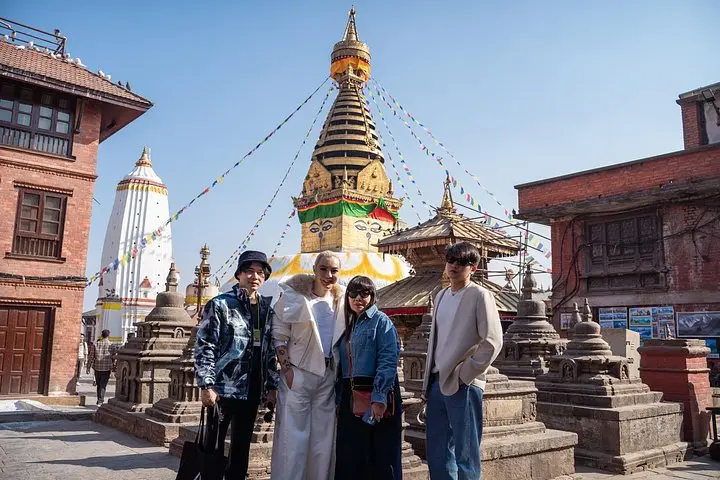
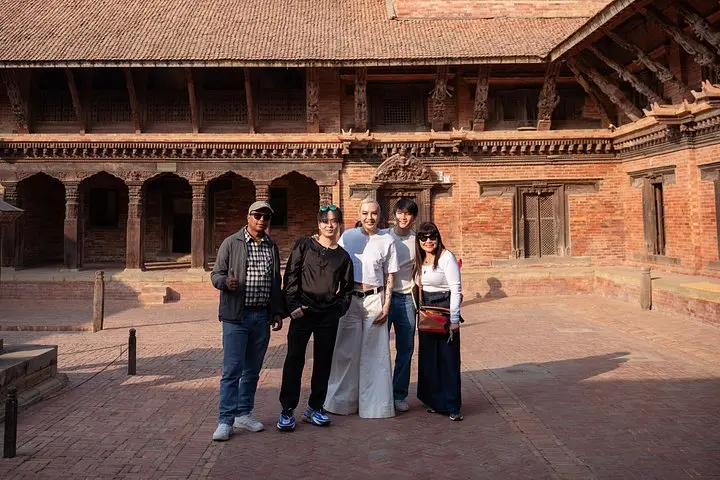
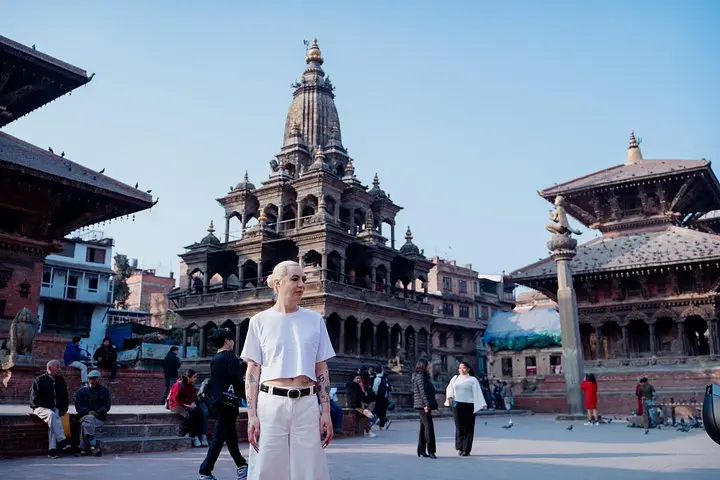
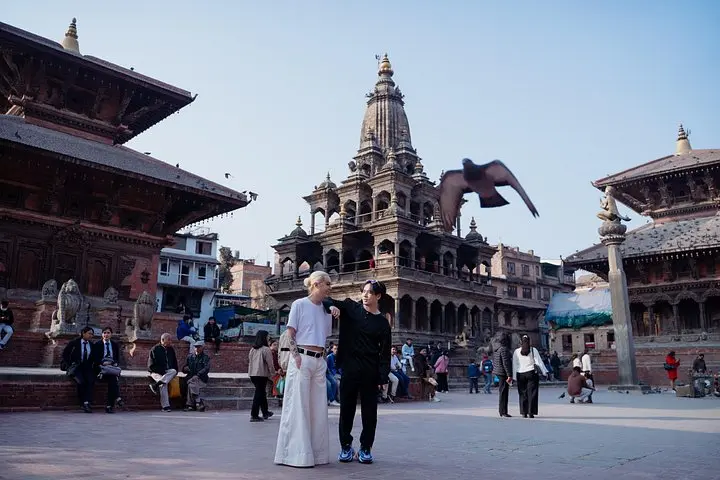
You step out of the car onto a limestone lane and the valley opens: prayer flags stitch color across the wind, monkeys move through the stupa terraces at Swayambhunath, and the Bagmati River runs like a thin silver thread daring you to slow down and watch. The day peels through four very different faces of Kathmandu — a hilltop viewpoint, a palace square of carved wood, a riverside temple of rites, and a hemispherical stupa around which pilgrims walk in steady circles.
You step out of the car onto a limestone lane and the valley opens: prayer flags stitch color across the wind, monkeys move through the stupa terraces at Swayambhunath, and the Bagmati River runs like a thin silver thread daring you to slow down and watch. The day peels through four very different faces of Kathmandu — a hilltop viewpoint, a palace square of carved wood, a riverside temple of rites, and a hemispherical stupa around which pilgrims walk in steady circles.
These sites span the Kathmandu Valley's long history. Swayambhu sits on volcanic caldera sediments that shaped the basin; Patan Durbar Square showcases Newar craftsmanship from the Malla era; Pashupatinath preserves living Hindu funerary customs along the Bagmati; and Boudhanath reflects Tibetan Buddhist influence after centuries of trans-Himalayan exchange.
Expect close-up encounters with artisans hammering metal, monks chanting during kora, and the occasional motorbike threading alleyways. Local guides interpret iconography, point out restoration work, and explain etiquette — essential at cremation ghats and inside active temples.
Practical guidance: plan a full day, start early to avoid traffic, and wear modest clothing that covers shoulders and knees. Comfortable, grippy shoes are useful; there are steep stair sections at Swayambhu and long paved stretches in Patan and Boudha. Carry a 1L water bottle, sunscreen, and small cash for museum entries or donations. Photography rules vary by site; always ask before photographing rituals or people. Respect signage, keep noise low during ceremonies, and leave no trace in courtyards and riverbanks.