THE ADVENTURE COLLECTIVE® · Independent discovery and booking for outdoor travel

A one-day private pilgrimage through the eastern Kathmandu Valley visiting Bhaktapur, Changunarayan, Doleshwor and the Kailashnath Mahadev statue. Expect medieval plazas, Licchavi-era carvings and short walks between sacred sites.
A one-day private pilgrimage through the eastern Kathmandu Valley visiting Bhaktapur, Changunarayan, Doleshwor and the Kailashnath Mahadev statue. Expect medieval plazas, Licchavi-era carvings and short walks between sacred sites.
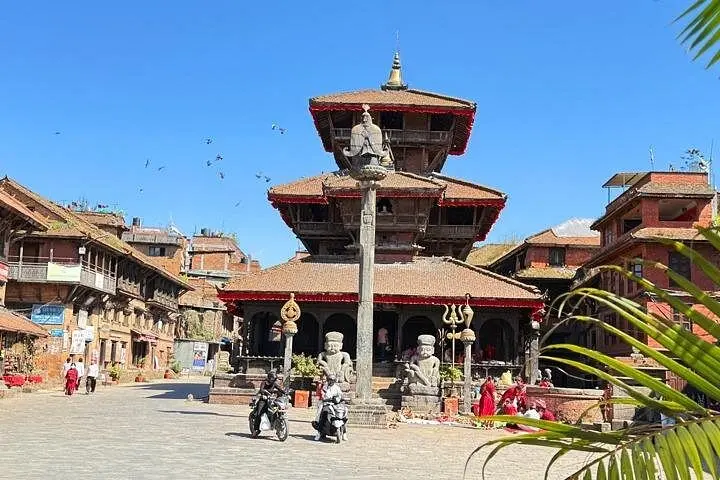
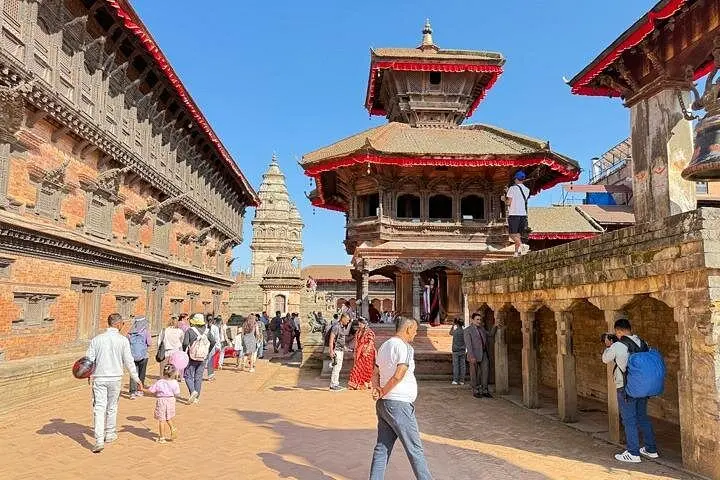
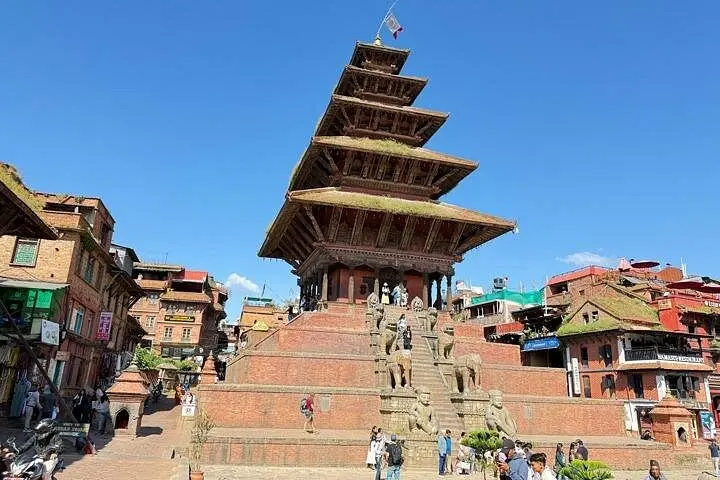
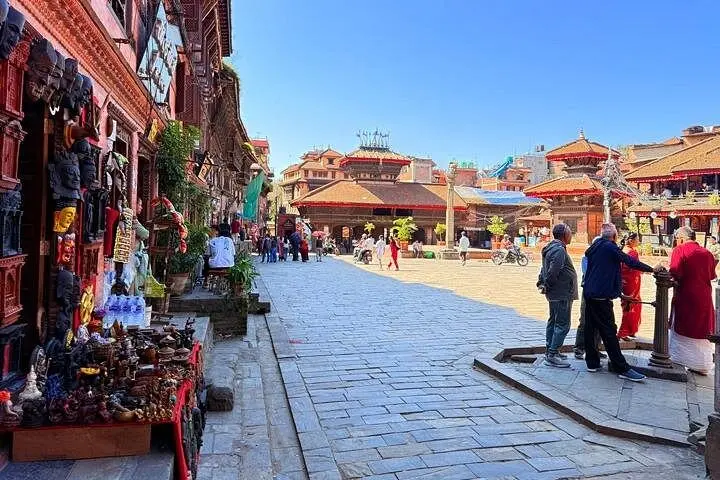
Morning light spills across a red-brick square as the tour departs Kathmandu, and by the time the group arrives in Bhaktapur the city feels like a living reliquary—stairways of carved stone, a five-tiered pagoda framing ritual smoke, and vendors arranging curd and baked goods on low stalls.
Verified experiences and guided adventures in the surrounding area.
Operated by Himalayan Advisor Pvt. Ltd. · Kathmandu, Bagmati Province
Morning light spills across a red-brick square as the tour departs Kathmandu, and by the time the group arrives in Bhaktapur the city feels like a living reliquary—stairways of carved stone, a five-tiered pagoda framing ritual smoke, and vendors arranging curd and baked goods on low stalls.
The Eastern Valley pilgrimage threads together sites that shaped the Kathmandu Valley's religious map: Bhaktapur’s medieval durbar and Nyatapola Temple; Changunarayan, an early Licchavi-era shrine carved with stone inscriptions and Vishnu iconography; Doleshwor’s Shiva sanctum long associated with Kedarnath traditions; and the towering Kailashnath Mahadev statue that reorients the skyline.
Geologically the valley is a basin of alluvial plains ringed by low hills; the temples sit on stable mounds and hilltops that have been ritual centers for centuries. Culturally, the route offers a primer in Newar craftsmanship—wooden struts, stone pillars and the compact spatial logic of courtyards where daily life and devotion overlap.
Practical guidance: this is an easy, full-day private tour (about 8 hours) with short walks between sites, uneven stone steps, and many shaded courtyards. Dress modestly (shoulders and knees covered), wear sturdy walking shoes, carry water and small cash for offerings or snacks, and bring a light layer for breezy hilltop shrines. Photography is welcomed but follow priestly requests at inner sanctums and avoid touching ritual objects.
Timing matters: start early to avoid mid-day heat and crowds at Nyatapola. Respect temple protocols, leave offerings biodegradable, and allow time to pause—pilgrimage here moves at the pace of incense and bell tolls.
The tour runs about 8 hours, typically departing after breakfast and returning late afternoon.
No—it's classified as easy with short walks and some stair climbing; suitable for most fitness levels.
Yes—private vehicle transport and all entrance fees are included in the tour price.
Modest clothing is required—cover shoulders and knees; some sanctums require shoes off and restrict touching sacred objects.
Himalayan Advisor Pvt. Ltd. operates guided outdoor trips and adventures with an emphasis on safety, stewardship, and memorable experiences.
Morning light spills across a red-brick square as the tour departs Kathmandu, and by the time the group arrives in Bhaktapur the city feels like a living reliquary—stairways of carved stone, a five-tiered pagoda framing ritual smoke, and vendors arranging curd and baked goods on low stalls.
Morning light spills across a red-brick square as the tour departs Kathmandu, and by the time the group arrives in Bhaktapur the city feels like a living reliquary—stairways of carved stone, a five-tiered pagoda framing ritual smoke, and vendors arranging curd and baked goods on low stalls.
The Eastern Valley pilgrimage threads together sites that shaped the Kathmandu Valley's religious map: Bhaktapur’s medieval durbar and Nyatapola Temple; Changunarayan, an early Licchavi-era shrine carved with stone inscriptions and Vishnu iconography; Doleshwor’s Shiva sanctum long associated with Kedarnath traditions; and the towering Kailashnath Mahadev statue that reorients the skyline.
Geologically the valley is a basin of alluvial plains ringed by low hills; the temples sit on stable mounds and hilltops that have been ritual centers for centuries. Culturally, the route offers a primer in Newar craftsmanship—wooden struts, stone pillars and the compact spatial logic of courtyards where daily life and devotion overlap.
Practical guidance: this is an easy, full-day private tour (about 8 hours) with short walks between sites, uneven stone steps, and many shaded courtyards. Dress modestly (shoulders and knees covered), wear sturdy walking shoes, carry water and small cash for offerings or snacks, and bring a light layer for breezy hilltop shrines. Photography is welcomed but follow priestly requests at inner sanctums and avoid touching ritual objects.
Timing matters: start early to avoid mid-day heat and crowds at Nyatapola. Respect temple protocols, leave offerings biodegradable, and allow time to pause—pilgrimage here moves at the pace of incense and bell tolls.