THE ADVENTURE COLLECTIVE® · Independent discovery and booking for outdoor travel

A classic 14-day high-altitude trek from Lukla to Everest Base Camp and Kala Patthar. Expect glacier moraines, Sherpa culture in Namche and Tengboche, mandatory permits, and variable weather that can affect the Lukla flight.
A classic 14-day high-altitude trek from Lukla to Everest Base Camp and Kala Patthar. Expect glacier moraines, Sherpa culture in Namche and Tengboche, mandatory permits, and variable weather that can affect the Lukla flight.
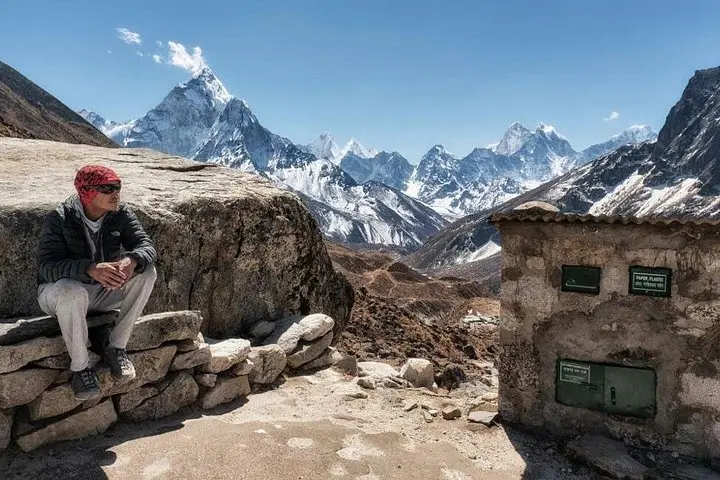
You step off the tiny plane at Lukla and the world tilts: prayer flags snap across the wind and the trail drops into a river valley that seems to pull you uphill. Over the next two weeks the mountains will test your breath and patience, offering sudden clearings where Everest and Ama Dablam push through the sky like weathered stone guardians.
Verified experiences and guided adventures in the surrounding area.
Operated by Nepal Hiking Adventure Company - Private Day Tours · Lukla, Province No. 1
You step off the tiny plane at Lukla and the world tilts: prayer flags snap across the wind and the trail drops into a river valley that seems to pull you uphill. Over the next two weeks the mountains will test your breath and patience, offering sudden clearings where Everest and Ama Dablam push through the sky like weathered stone guardians.
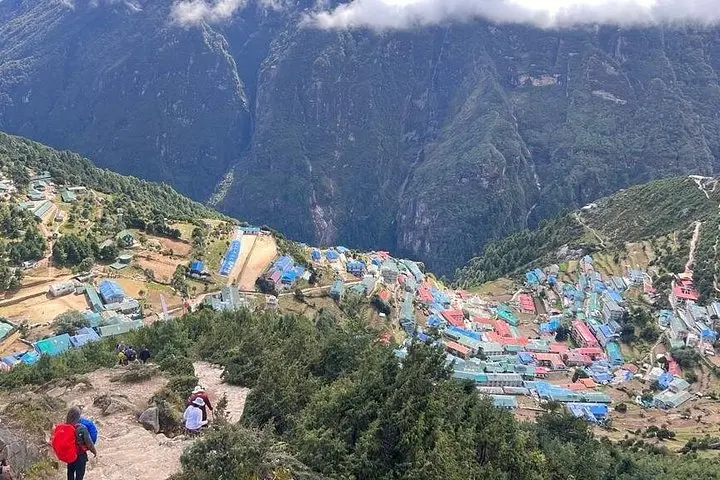
The route threads Sagarmatha National Park, a UNESCO World Heritage area formed by the collision of the Indian and Eurasian plates—raw geology visible in exposed moraine and the grinding Khumbu Glacier. Sherpa culture shapes every village; prayer wheels, mani stones and monasteries such as Tengboche mark the landscape and the living history of high-altitude trade and mountaineering. Lodges (tea-houses) and yak trains remain the logistical backbone for communities that depend on trekking seasons.
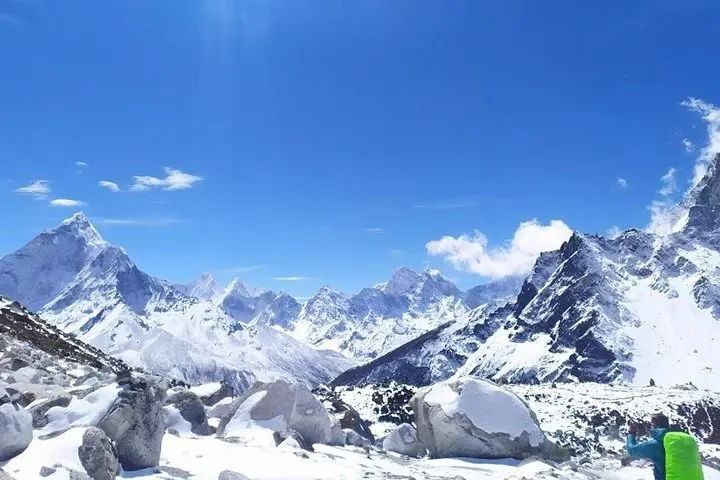
Expect rocky moraines, steep stone staircases, rhododendron slopes, and high alpine tundra. Daily walks average 4–7 hours between teahouses; the highest exertion comes at Kala Patthar (~5,550 m) for sunrise views and at Everest Base Camp (~5,364 m) among the icefall’s jagged expanse.
Practical edge: plan acclimatization days (Namche, Dingboche), carry a reliable water-treatment method, and leave buffer days for Lukla flights. Bring layered insulation for extreme cold nights and strong trekking boots for loose moraine. Permits (Sagarmatha NP, TIMS) are mandatory; hiring an experienced guide reduces altitude risk and streamlines logistics. Weather can close Lukla at short notice—flexibility is part of the trip. When you reach the Khumbu, the air is thin but the view is uncompromising, and the trail will have reshaped how you think about distance and height.
Yes—you must have a Sagarmatha National Park entry permit and a TIMS card (Trekkers’ Information Management System); guides or agencies typically handle these before departure.
Pre-monsoon (spring: March–May) and post-monsoon (autumn: late September–November) offer the most stable weather and clear mountain views.
Everest Base Camp sits around 5,364 m; Kala Patthar is higher for viewpoints at roughly 5,500–5,550 m—both require careful acclimatization.
Flights are routine but highly weather-dependent; Lukla’s short, sloped runway can cause delays and cancellations—allow contingency days in your itinerary.
Nepal Hiking Adventure Company - Private Day Tours operates guided outdoor trips and adventures with an emphasis on safety, stewardship, and memorable experiences.
You step off the tiny plane at Lukla and the world tilts: prayer flags snap across the wind and the trail drops into a river valley that seems to pull you uphill. Over the next two weeks the mountains will test your breath and patience, offering sudden clearings where Everest and Ama Dablam push through the sky like weathered stone guardians.
You step off the tiny plane at Lukla and the world tilts: prayer flags snap across the wind and the trail drops into a river valley that seems to pull you uphill. Over the next two weeks the mountains will test your breath and patience, offering sudden clearings where Everest and Ama Dablam push through the sky like weathered stone guardians.
The route threads Sagarmatha National Park, a UNESCO World Heritage area formed by the collision of the Indian and Eurasian plates—raw geology visible in exposed moraine and the grinding Khumbu Glacier. Sherpa culture shapes every village; prayer wheels, mani stones and monasteries such as Tengboche mark the landscape and the living history of high-altitude trade and mountaineering. Lodges (tea-houses) and yak trains remain the logistical backbone for communities that depend on trekking seasons.
Expect rocky moraines, steep stone staircases, rhododendron slopes, and high alpine tundra. Daily walks average 4–7 hours between teahouses; the highest exertion comes at Kala Patthar (~5,550 m) for sunrise views and at Everest Base Camp (~5,364 m) among the icefall’s jagged expanse.
Practical edge: plan acclimatization days (Namche, Dingboche), carry a reliable water-treatment method, and leave buffer days for Lukla flights. Bring layered insulation for extreme cold nights and strong trekking boots for loose moraine. Permits (Sagarmatha NP, TIMS) are mandatory; hiring an experienced guide reduces altitude risk and streamlines logistics. Weather can close Lukla at short notice—flexibility is part of the trip. When you reach the Khumbu, the air is thin but the view is uncompromising, and the trail will have reshaped how you think about distance and height.