THE ADVENTURE COLLECTIVE® · Independent discovery and booking for outdoor travel

A one-hour mountain flight from Kathmandu delivers a condensed Himalayan panorama — Everest, Langtang and more — with hotel pickup and a guaranteed window seat. Ideal for travelers who want Everest’s view without trekking, best taken at first light for the clearest vistas.
A one-hour mountain flight from Kathmandu delivers a condensed Himalayan panorama — Everest, Langtang and more — with hotel pickup and a guaranteed window seat. Ideal for travelers who want Everest’s view without trekking, best taken at first light for the clearest vistas.
You taxi through Kathmandu’s light and dust to Tribhuvan International Airport, fingers tightening on the armrest as the plane lifts and the valley peels away. Within minutes the jagged white teeth of the Himalaya appear — Langtang, Gauri Shankar, then Everest itself, a cold crown catching the sun while glaciers unspool like slow rivers below.
Verified experiences and guided adventures in the surrounding area.
Operated by Welcome Nepal Treks P.ltd · Kathmandu, Bagmati Province
You taxi through Kathmandu’s light and dust to Tribhuvan International Airport, fingers tightening on the armrest as the plane lifts and the valley peels away. Within minutes the jagged white teeth of the Himalaya appear — Langtang, Gauri Shankar, then Everest itself, a cold crown catching the sun while glaciers unspool like slow rivers below.
The flight is short but rich with context: the Himalaya are young mountains born of the Indian plate smashing into Eurasia, still rising and shedding rock and ice. Mount Everest, named in the 19th century after surveyor Sir George Everest and first topped in 1953 by Edmund Hillary and Tenzing Norgay, sits among a string of peaks that shaped local culture and trade routes. From the air you glimpse the terraces and monasteries clinging to lower ridges and imagine centuries of Sherpa pilgrimage and yak caravans.
Practicalities matter on this excursion. Flights run 50–60 minutes; morning departures (sunrise to mid-morning) give the best visibility. Operators usually provide hotel pickup in Kathmandu and a guaranteed window seat; flights are refundable if weather grounds them. Expect cool, dry air at altitude — dress in layers, bring a charged camera with zoom, and secure your documents for quick airport checks.
The experience is sensory and informative: mountains that seem to lean toward the aircraft, wind that dares you to stare, and a compact portrait of Nepal’s geography and people. If visibility is good you’ll cross 15–20 named summits; if it’s not, the operator’s weather policy protects both safety and your wallet.
Not guaranteed — visibility depends on weather and timing; mornings in spring and autumn offer the best chance, and operators refund or reschedule flights canceled for poor visibility.
The tour runs about 50–60 minutes total, including the short transit from Tribhuvan International Airport and the mountain viewing circuit.
Yes — this tour includes hotel pickup and drop-off within Kathmandu; confirm your pickup point at booking and allow time for airport procedures.
The flight is suitable for most ages; infants must sit on laps and basic wheelchair access is available, but infant seats are not provided—check specifics with the operator.
Welcome Nepal Treks P.ltd operates guided outdoor trips and adventures with an emphasis on safety, stewardship, and memorable experiences.
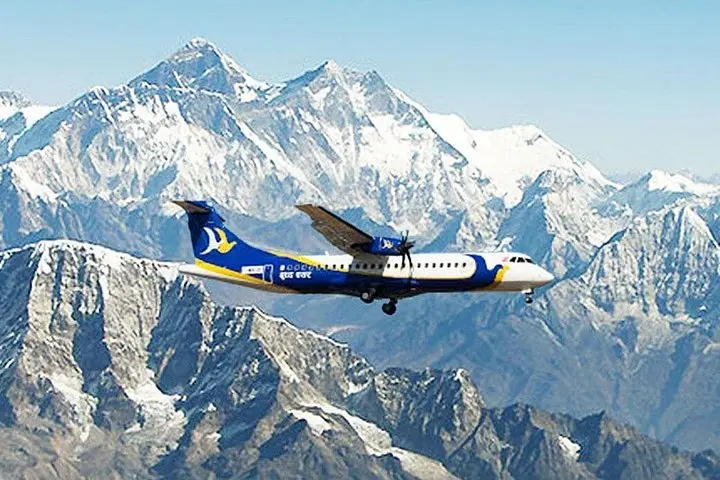
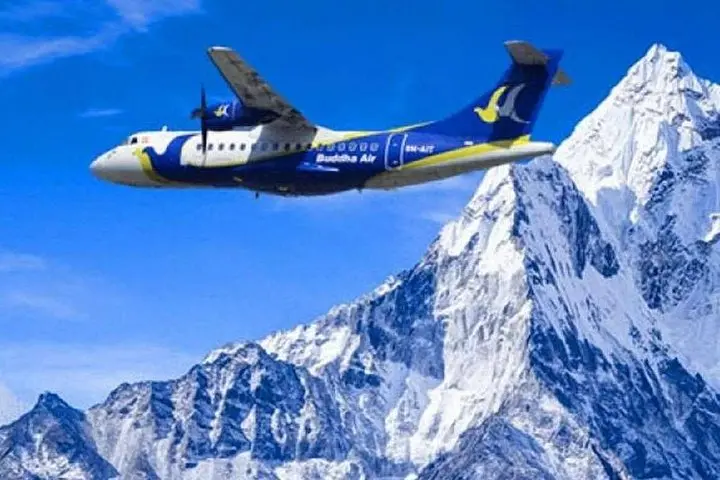
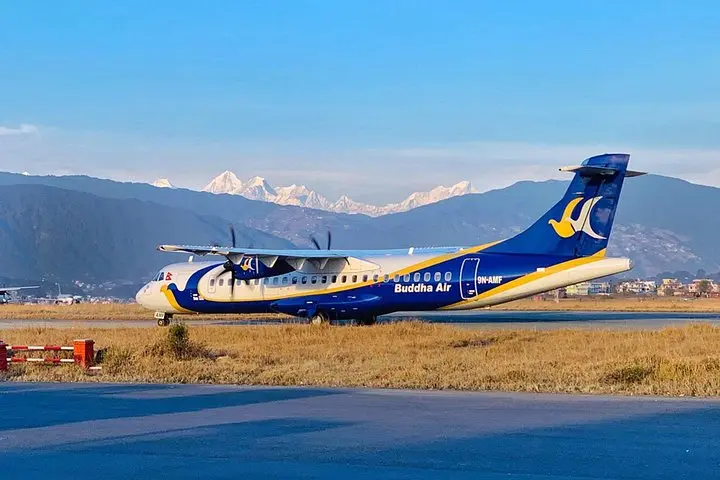
You taxi through Kathmandu’s light and dust to Tribhuvan International Airport, fingers tightening on the armrest as the plane lifts and the valley peels away. Within minutes the jagged white teeth of the Himalaya appear — Langtang, Gauri Shankar, then Everest itself, a cold crown catching the sun while glaciers unspool like slow rivers below.
You taxi through Kathmandu’s light and dust to Tribhuvan International Airport, fingers tightening on the armrest as the plane lifts and the valley peels away. Within minutes the jagged white teeth of the Himalaya appear — Langtang, Gauri Shankar, then Everest itself, a cold crown catching the sun while glaciers unspool like slow rivers below.
The flight is short but rich with context: the Himalaya are young mountains born of the Indian plate smashing into Eurasia, still rising and shedding rock and ice. Mount Everest, named in the 19th century after surveyor Sir George Everest and first topped in 1953 by Edmund Hillary and Tenzing Norgay, sits among a string of peaks that shaped local culture and trade routes. From the air you glimpse the terraces and monasteries clinging to lower ridges and imagine centuries of Sherpa pilgrimage and yak caravans.
Practicalities matter on this excursion. Flights run 50–60 minutes; morning departures (sunrise to mid-morning) give the best visibility. Operators usually provide hotel pickup in Kathmandu and a guaranteed window seat; flights are refundable if weather grounds them. Expect cool, dry air at altitude — dress in layers, bring a charged camera with zoom, and secure your documents for quick airport checks.
The experience is sensory and informative: mountains that seem to lean toward the aircraft, wind that dares you to stare, and a compact portrait of Nepal’s geography and people. If visibility is good you’ll cross 15–20 named summits; if it’s not, the operator’s weather policy protects both safety and your wallet.