THE ADVENTURE COLLECTIVE® · Independent discovery and booking for outdoor travel

Spend a private day moving through Kathmandu’s spiritual heart: Pashupatinath’s riverside rites, Boudhanath’s massive stupa, Swayambhunath’s hilltop views, and the carved courts of Durbar Square. This guided tour pairs cultural insight with practical logistics for a compact, immersive day in the valley.
Spend a private day moving through Kathmandu’s spiritual heart: Pashupatinath’s riverside rites, Boudhanath’s massive stupa, Swayambhunath’s hilltop views, and the carved courts of Durbar Square. This guided tour pairs cultural insight with practical logistics for a compact, immersive day in the valley.
You step from the minivan into a city where prayer flags cut the light and the Bagmati River moves with a purpose, carrying marigolds and incense down-valley. The day unfolds as a loop through Kathmandu’s spiritual anchors: the smoke-wreathed cremation ghats of Pashupatinath, the vast white dome of Boudhanath, the monkey-guarded terraces of Swayambhunath, and the carved wood and stone courts of Durbar Square.
Verified experiences and guided adventures in the surrounding area.
Operated by Pigeon Travel And Tours Pvt Ltd · Kathmandu, Bagmati Province
You step from the minivan into a city where prayer flags cut the light and the Bagmati River moves with a purpose, carrying marigolds and incense down-valley. The day unfolds as a loop through Kathmandu’s spiritual anchors: the smoke-wreathed cremation ghats of Pashupatinath, the vast white dome of Boudhanath, the monkey-guarded terraces of Swayambhunath, and the carved wood and stone courts of Durbar Square.
These sites trace Kathmandu’s layered history — Hindu rites and Newar palace culture rubbing shoulders with Tibetan Buddhist imports after 1959. Geologically the valley sits in a bowl of uplifted sediment and ancient river terraces; the hill beneath Swayambhunath gives the site its vantage and a wind that carries mantra wheels. Locals still move through these places for daily worship, circumambulation, and market trade, and guides will point out iconography, mantras, and the subtle differences between Newar and Tibetan practice.
Practically: expect a full six-hour day with short walks, many steps at Swayambhunath, and modest distances between stops by vehicle. Modest dress is required at Pashupatinath and respectful behavior around cremation areas is essential. Bring sunscreen and refillable water; pockets for small offerings and a camera with extra battery are useful. Morning light is best for photography and quieter rituals; late afternoon brings longer shadows and cooler streets. A private guide and door-to-door transport make navigation easy, while a steady pace leaves time to observe ceremonies, taste street-side momo, and learn the stories carved into the city’s stones.
Yes; the itinerary is vehicle-based with short walks, but infants must sit on laps and Swayambhunath’s stairs may be tiring for young children.
Admissions to major sites like Boudhanath and Swayambhunath are included in standard guided visits but clarify with the operator for any entrance fees or donations.
Modest clothing that covers shoulders and knees is required; avoid flashy attire and remove shoes where requested.
Expect light walking between sites and up to several hundred steps at Swayambhunath; the trip is otherwise driven between locations.
Pigeon Travel And Tours Pvt Ltd operates guided outdoor trips and adventures with an emphasis on safety, stewardship, and memorable experiences.
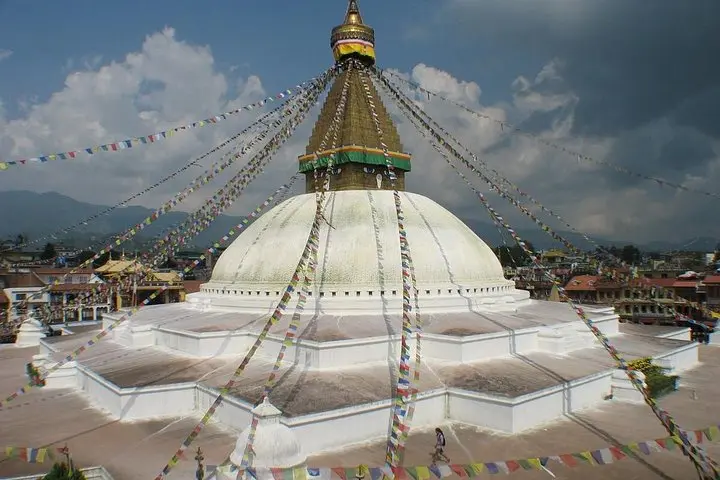
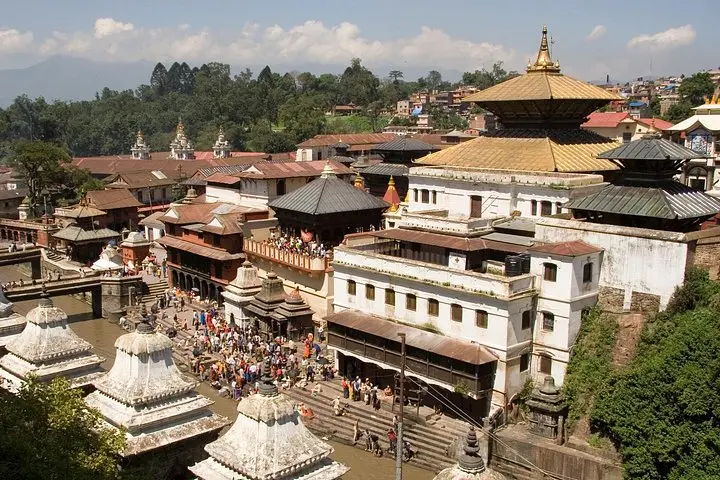
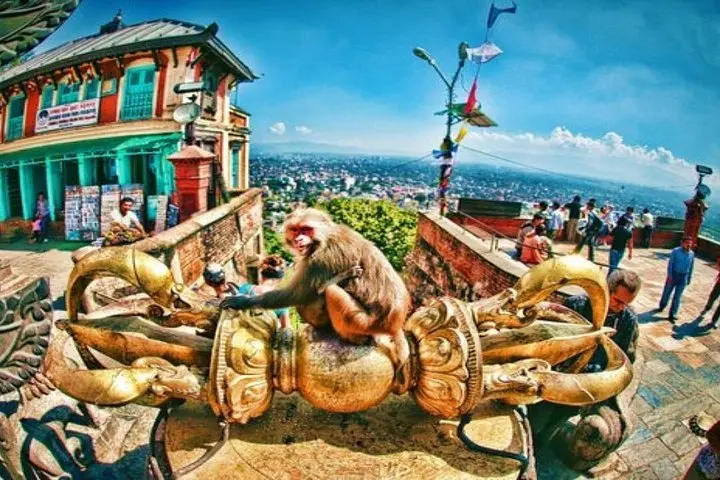
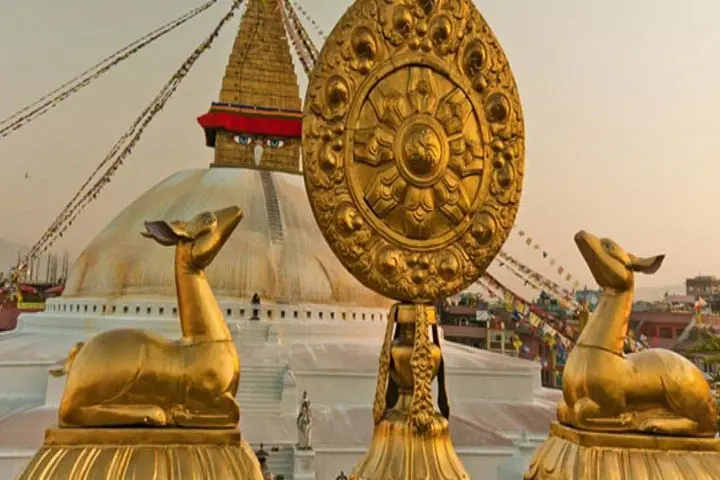
You step from the minivan into a city where prayer flags cut the light and the Bagmati River moves with a purpose, carrying marigolds and incense down-valley. The day unfolds as a loop through Kathmandu’s spiritual anchors: the smoke-wreathed cremation ghats of Pashupatinath, the vast white dome of Boudhanath, the monkey-guarded terraces of Swayambhunath, and the carved wood and stone courts of Durbar Square.
You step from the minivan into a city where prayer flags cut the light and the Bagmati River moves with a purpose, carrying marigolds and incense down-valley. The day unfolds as a loop through Kathmandu’s spiritual anchors: the smoke-wreathed cremation ghats of Pashupatinath, the vast white dome of Boudhanath, the monkey-guarded terraces of Swayambhunath, and the carved wood and stone courts of Durbar Square.
These sites trace Kathmandu’s layered history — Hindu rites and Newar palace culture rubbing shoulders with Tibetan Buddhist imports after 1959. Geologically the valley sits in a bowl of uplifted sediment and ancient river terraces; the hill beneath Swayambhunath gives the site its vantage and a wind that carries mantra wheels. Locals still move through these places for daily worship, circumambulation, and market trade, and guides will point out iconography, mantras, and the subtle differences between Newar and Tibetan practice.
Practically: expect a full six-hour day with short walks, many steps at Swayambhunath, and modest distances between stops by vehicle. Modest dress is required at Pashupatinath and respectful behavior around cremation areas is essential. Bring sunscreen and refillable water; pockets for small offerings and a camera with extra battery are useful. Morning light is best for photography and quieter rituals; late afternoon brings longer shadows and cooler streets. A private guide and door-to-door transport make navigation easy, while a steady pace leaves time to observe ceremonies, taste street-side momo, and learn the stories carved into the city’s stones.