THE ADVENTURE COLLECTIVE® · Independent discovery and booking for outdoor travel

Spend a day moving between Kathmandu’s most potent heritage sites: Swayambhunath’s hilltop views, the medieval Durbar Square, the ancient Boudhanath stupa, and the riverside rites at Pashupatinath. This private, guided tour combines transport and admissions for a compact cultural immersion.
Spend a day moving between Kathmandu’s most potent heritage sites: Swayambhunath’s hilltop views, the medieval Durbar Square, the ancient Boudhanath stupa, and the riverside rites at Pashupatinath. This private, guided tour combines transport and admissions for a compact cultural immersion.
A thin haze lifts from the valley as you climb the stone steps to Swayambhunath; monkeys move like punctuation between prayer flags and the city unfolds below, low roofs and sari-bright markets. That first view sets the rhythm for a six- to seven-hour circuit that threads Buddhist stupas, living palace squares, and the riverside rites at Pashupatinath.
Verified experiences and guided adventures in the surrounding area.
Operated by Classic Escapades · Kathmandu, Bagmati Province
A thin haze lifts from the valley as you climb the stone steps to Swayambhunath; monkeys move like punctuation between prayer flags and the city unfolds below, low roofs and sari-bright markets. That first view sets the rhythm for a six- to seven-hour circuit that threads Buddhist stupas, living palace squares, and the riverside rites at Pashupatinath.
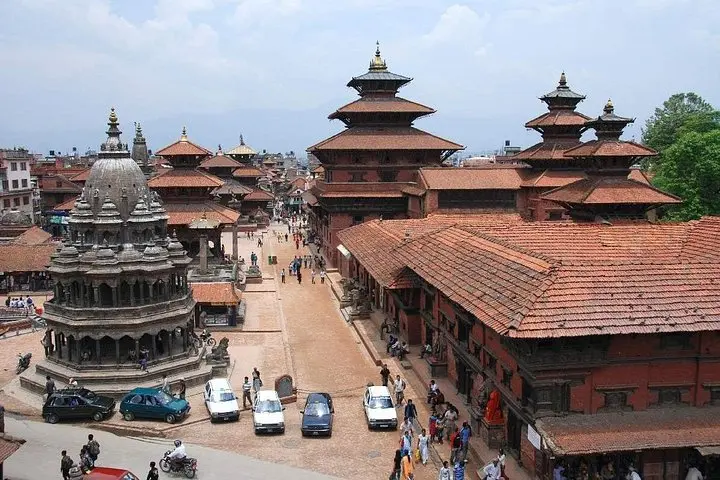
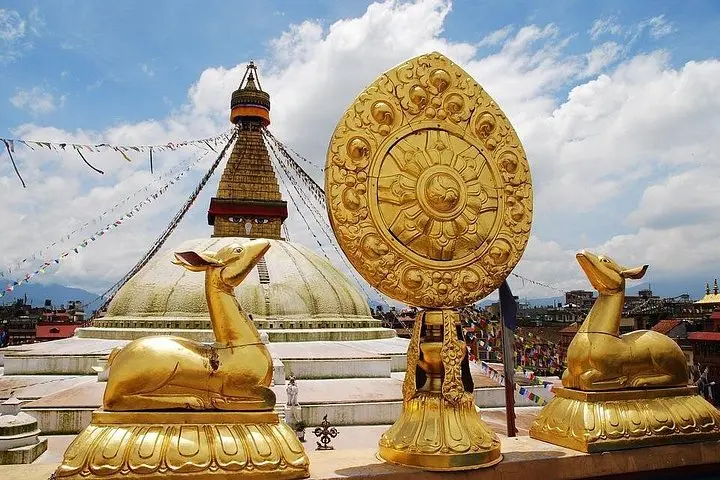
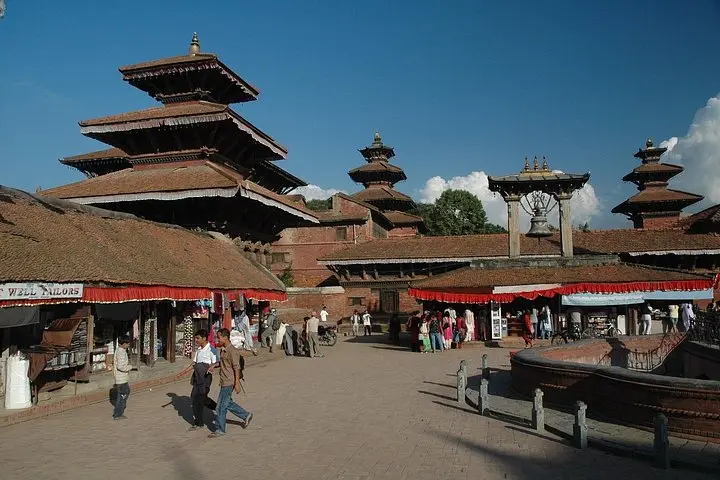
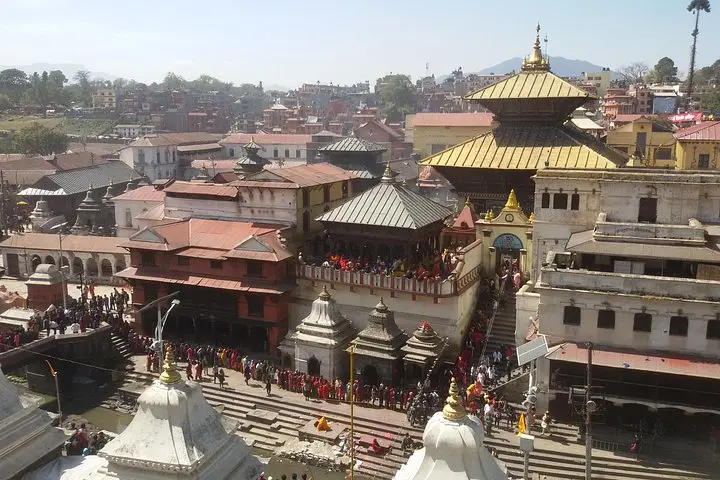
Kathmandu Valley is a compact archaeological landscape shaped by tectonic uplift and centuries of Newar urbanism. Swayambhu and Boudhanath are focal points of Kathmandu’s Buddhist presence—Boudhanath often dated to roughly 1,700 years—and the Durbar Squares are the remains of medieval palace complexes where kings once dispensed justice and festivals still gather. Pashupatinath, on the Bagmati’s bank, remains an active Hindu pilgrimage site where life and death are observed in public ritual.
The day tour moves deliberately: private transport between spots, set stops for photography and explanation, and ample time to read reliefs, spin mani wheels, and step into side courtyards. Expect uneven stone, steep steps, and close contact with both worshippers and wildlife (rhesus macaques are common at Swayambhu).
Practical guidance: start early to avoid traffic, wear modest clothing that covers shoulders and knees, bring water and a small packet of local currency for small temple donations or snacks, and keep cameras respectful around cremation areas. A local guide sharpens the visit—context turns monuments into living stories. This is an accessible cultural loop that rewards attention: listen, watch, and leave room for the city’s quieter alleys between the highlights.
Yes—this tour’s itinerary includes admission to the listed heritage sites as part of the package.
The tour notes stroller access for infants, but many sites have steps and uneven surfaces; wheelchair access is limited at historic monuments.
Photography is allowed in many areas but strictly restricted near cremation ghats—always ask your guide and avoid photographing mourners.
Tipping is customary; plan a modest tip for a private guide and driver if service meets expectations.
Classic Escapades operates guided outdoor trips and adventures with an emphasis on safety, stewardship, and memorable experiences.
A thin haze lifts from the valley as you climb the stone steps to Swayambhunath; monkeys move like punctuation between prayer flags and the city unfolds below, low roofs and sari-bright markets. That first view sets the rhythm for a six- to seven-hour circuit that threads Buddhist stupas, living palace squares, and the riverside rites at Pashupatinath.
A thin haze lifts from the valley as you climb the stone steps to Swayambhunath; monkeys move like punctuation between prayer flags and the city unfolds below, low roofs and sari-bright markets. That first view sets the rhythm for a six- to seven-hour circuit that threads Buddhist stupas, living palace squares, and the riverside rites at Pashupatinath.
Kathmandu Valley is a compact archaeological landscape shaped by tectonic uplift and centuries of Newar urbanism. Swayambhu and Boudhanath are focal points of Kathmandu’s Buddhist presence—Boudhanath often dated to roughly 1,700 years—and the Durbar Squares are the remains of medieval palace complexes where kings once dispensed justice and festivals still gather. Pashupatinath, on the Bagmati’s bank, remains an active Hindu pilgrimage site where life and death are observed in public ritual.
The day tour moves deliberately: private transport between spots, set stops for photography and explanation, and ample time to read reliefs, spin mani wheels, and step into side courtyards. Expect uneven stone, steep steps, and close contact with both worshippers and wildlife (rhesus macaques are common at Swayambhu).
Practical guidance: start early to avoid traffic, wear modest clothing that covers shoulders and knees, bring water and a small packet of local currency for small temple donations or snacks, and keep cameras respectful around cremation areas. A local guide sharpens the visit—context turns monuments into living stories. This is an accessible cultural loop that rewards attention: listen, watch, and leave room for the city’s quieter alleys between the highlights.