THE ADVENTURE COLLECTIVE® · Independent discovery and booking for outdoor travel

Move through Kathmandu Valley’s living history: Durbar Squares, Swayambhu and Boudhanath stupas, Bhaktapur’s courtyards and a sunrise at Nagarkot. This private multi-day tour blends cultural depth with accessible pacing—ideal for first-time visitors who want context, comfort and clear logistics.
Move through Kathmandu Valley’s living history: Durbar Squares, Swayambhu and Boudhanath stupas, Bhaktapur’s courtyards and a sunrise at Nagarkot. This private multi-day tour blends cultural depth with accessible pacing—ideal for first-time visitors who want context, comfort and clear logistics.
A rainy morning light spills across Kathmandu’s alleys as your car threads from the airport into the valley. Stone courtyards open into squares where carved windows stare back at modern traffic; prayer flags snap on hilltops above expansive stupas. The city moves in layers—pilgrims, vendors, and brass bells—each sound mapping a route through history.
Verified experiences and guided adventures in the surrounding area.
Operated by High Spirit Treks and Expedition Nepal · Kathmandu, Bagmati Province
A rainy morning light spills across Kathmandu’s alleys as your car threads from the airport into the valley. Stone courtyards open into squares where carved windows stare back at modern traffic; prayer flags snap on hilltops above expansive stupas. The city moves in layers—pilgrims, vendors, and brass bells—each sound mapping a route through history.
The valley preserves architecture from the Lichchavi and Malla eras: multi-tiered pagoda temples, ornate palace façades and brick courtyards that mark centuries of Newar craftsmanship. Geologically, Kathmandu sits in an intermontane basin at roughly 1,400 m, a low plateau pushed up by Himalayan uplift; Nagarkot and Dhulikhel offer the clearest lines to the snowy northern ridgeline at sunrise.
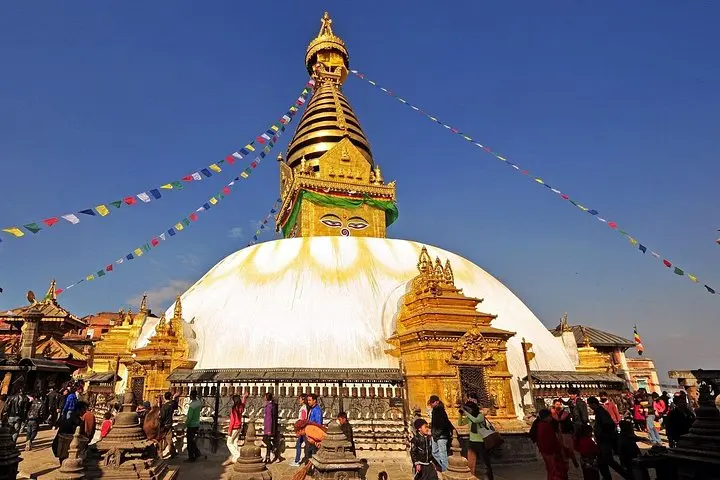
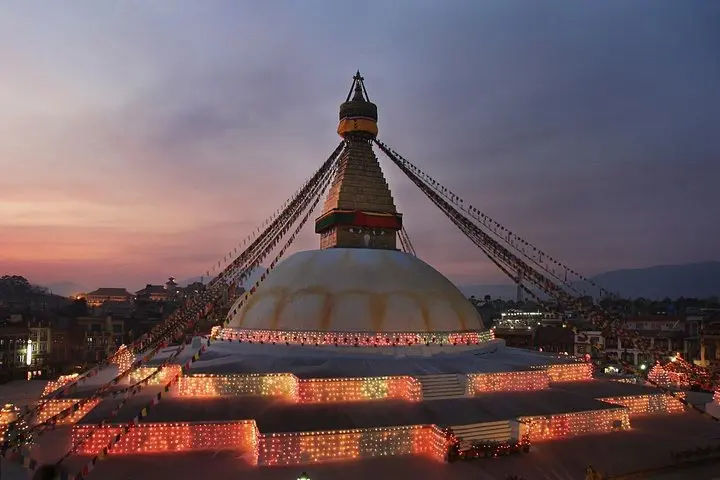
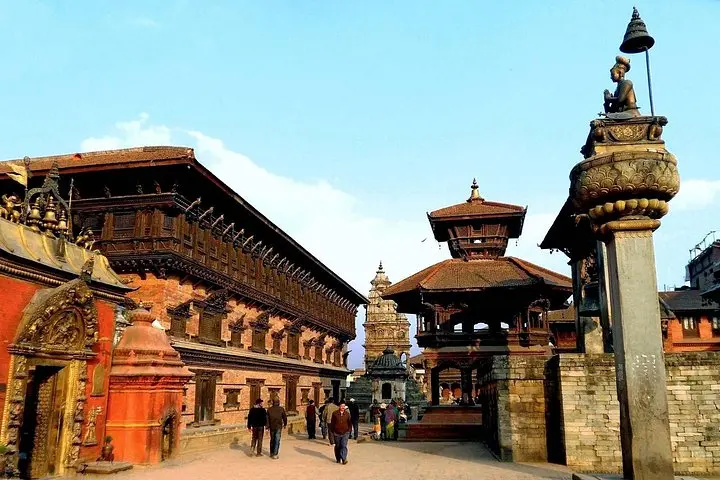
Culturally the tour threads through living traditions—Swayambhunath’s monkeys and Buddhist circumambulation, the Tibetan-influenced Boudhanath stupa, the cremation ghats of Pashupatinath, and Bhaktapur’s woodcarved courtyards. Expect crowds at main sites and quieter moments in Panauti or Changu Narayan if the itinerary includes them.
Practical guidance: this is a low-altitude, multi-day private tour best approached with comfortable walking shoes, respectful temple clothing, and a light rain layer in monsoon season. Start early for Nagarkot sunrise to avoid haze, carry local currency for entrance fees and small purchases, and plan buffer time for traffic between sites. Permit and entrance fees are typically handled by the operator; travelers with limited mobility should confirm vehicle access for each stop. With preparation, the Kathmandu Heritage Tour balances close-up cultural encounters and sweeping Himalayan views.
Typical itineraries cover Kathmandu Durbar Square, Swayambhunath (Monkey Temple), Boudhanath, Pashupatinath, Bhaktapur, Patan (Lalitpur), Nagarkot and Dhulikhel, though exact stops depend on the operator.
Most nationalities require a Nepal tourist visa on arrival or e-visa in advance; entrance fees to heritage sites are usually included or handled by the tour provider.
Yes—this is low-altitude and largely accessible by vehicle; confirm mobility needs with the operator for any steps or narrow alleys.
Expect multiple short walks (15–45 minutes) around squares and stupas; days can be 4–7 hours including drives and stops.
High Spirit Treks and Expedition Nepal operates guided outdoor trips and adventures with an emphasis on safety, stewardship, and memorable experiences.
A rainy morning light spills across Kathmandu’s alleys as your car threads from the airport into the valley. Stone courtyards open into squares where carved windows stare back at modern traffic; prayer flags snap on hilltops above expansive stupas. The city moves in layers—pilgrims, vendors, and brass bells—each sound mapping a route through history.
A rainy morning light spills across Kathmandu’s alleys as your car threads from the airport into the valley. Stone courtyards open into squares where carved windows stare back at modern traffic; prayer flags snap on hilltops above expansive stupas. The city moves in layers—pilgrims, vendors, and brass bells—each sound mapping a route through history.
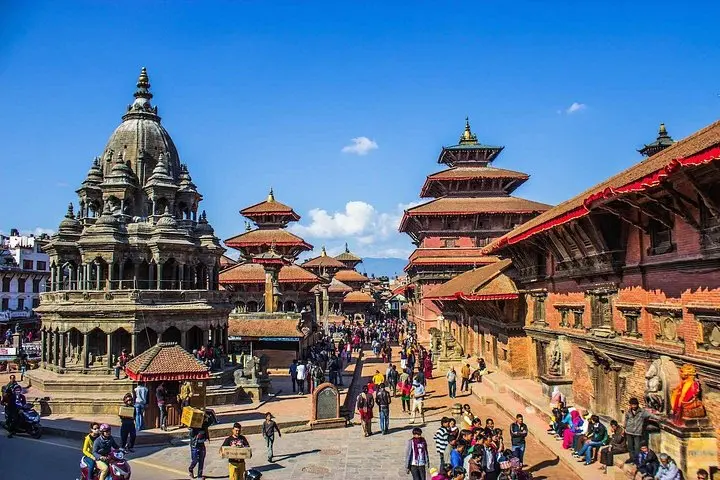
The valley preserves architecture from the Lichchavi and Malla eras: multi-tiered pagoda temples, ornate palace façades and brick courtyards that mark centuries of Newar craftsmanship. Geologically, Kathmandu sits in an intermontane basin at roughly 1,400 m, a low plateau pushed up by Himalayan uplift; Nagarkot and Dhulikhel offer the clearest lines to the snowy northern ridgeline at sunrise.
Culturally the tour threads through living traditions—Swayambhunath’s monkeys and Buddhist circumambulation, the Tibetan-influenced Boudhanath stupa, the cremation ghats of Pashupatinath, and Bhaktapur’s woodcarved courtyards. Expect crowds at main sites and quieter moments in Panauti or Changu Narayan if the itinerary includes them.
Practical guidance: this is a low-altitude, multi-day private tour best approached with comfortable walking shoes, respectful temple clothing, and a light rain layer in monsoon season. Start early for Nagarkot sunrise to avoid haze, carry local currency for entrance fees and small purchases, and plan buffer time for traffic between sites. Permit and entrance fees are typically handled by the operator; travelers with limited mobility should confirm vehicle access for each stop. With preparation, the Kathmandu Heritage Tour balances close-up cultural encounters and sweeping Himalayan views.