THE ADVENTURE COLLECTIVE® · Independent discovery and booking for outdoor travel

See Kathmandu’s UNESCO-listed squares, stupas and riverside ghats in a single, guided day. This intro tour covers Swayambhunath, Durbar Square, Boudhanath and Pashupatinath with an experienced guide and air-conditioned transport.
See Kathmandu’s UNESCO-listed squares, stupas and riverside ghats in a single, guided day. This intro tour covers Swayambhunath, Durbar Square, Boudhanath and Pashupatinath with an experienced guide and air-conditioned transport.
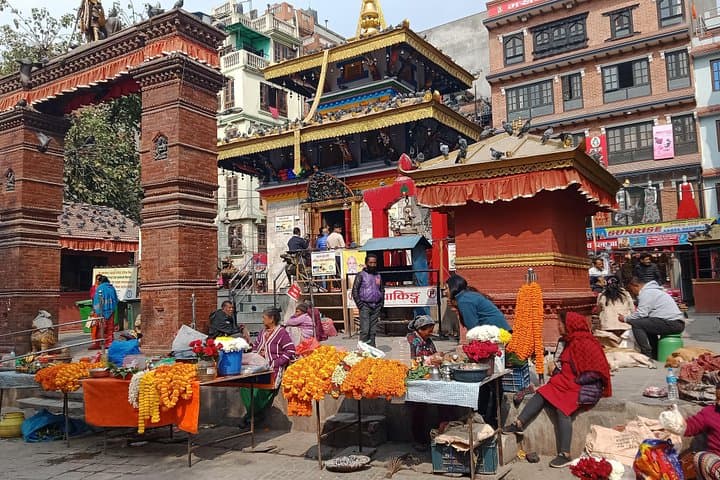
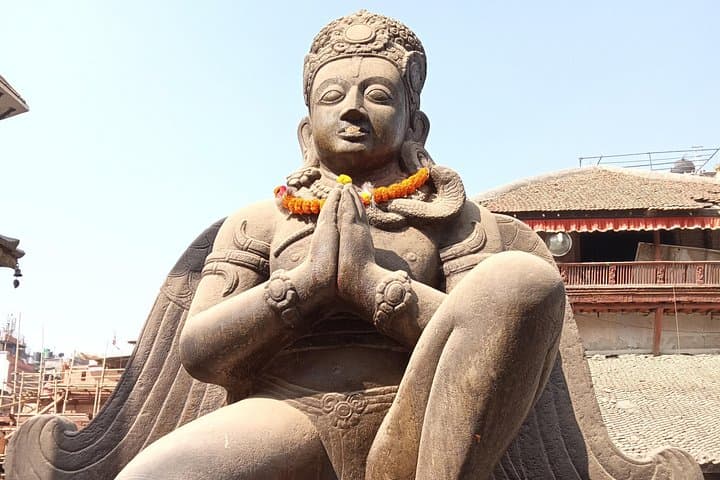
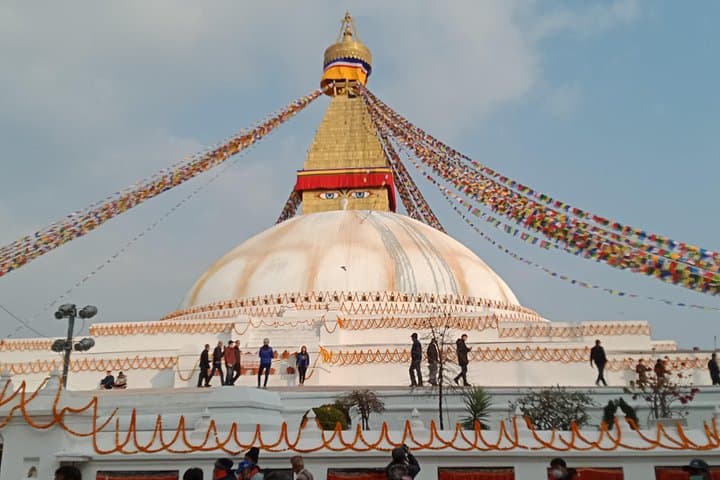
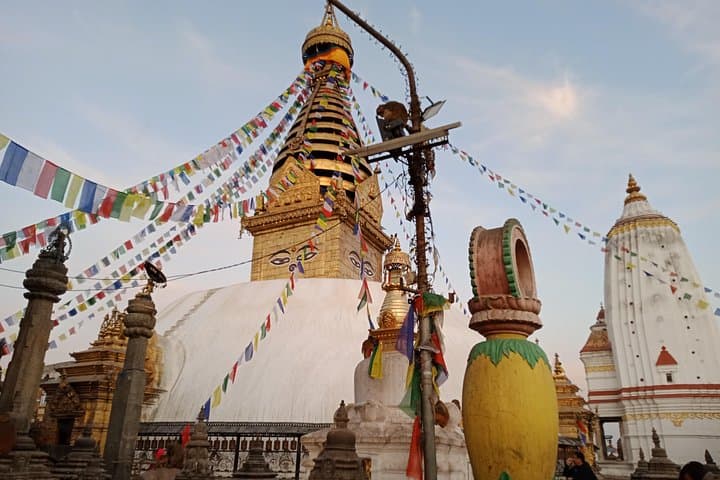
You step from an air-conditioned car into a clamor of prayer flags, pigeons and the low hum of a city that has grown around its temples. Within an hour you’re climbing the stone steps to Swayambhunath—monkeys regard you like a passing tide while the stupa’s gilded dome watches over the valley. The day moves as a sequence of living monuments: the palace courtyards of Kathmandu Durbar Square, the white dome and spinning prayer wheels of Boudhanath, and the riverside ghats where rituals unfold without hurry.
Verified experiences and guided adventures in the surrounding area.
Operated by Himalayan Travel Consultant · Kathmandu, Bagmati Province
You step from an air-conditioned car into a clamor of prayer flags, pigeons and the low hum of a city that has grown around its temples. Within an hour you’re climbing the stone steps to Swayambhunath—monkeys regard you like a passing tide while the stupa’s gilded dome watches over the valley. The day moves as a sequence of living monuments: the palace courtyards of Kathmandu Durbar Square, the white dome and spinning prayer wheels of Boudhanath, and the riverside ghats where rituals unfold without hurry.
Kathmandu sits at the crossroads of Hindu and Buddhist traditions; its squares and stupas reflect centuries of Newar craftsmanship and medieval Malla-era urban design. Geologically, the valley is a high bowl ringed by ridges, which traps seasonal monsoon moisture and gives the city its distinct climate rhythms. Culturally expect vendors selling ritual offerings, sadhus offering photos for a tip, and carved wooden windows that date back hundreds of years.
Practically, the tour is a full day (6–8 hours) on mostly paved streets with some steep steps and uneven temple platforms. Bring comfortable, non-slip shoes and be prepared to remove them at monastery entrances. Carry local currency for small entrance fees, offerings, and gratuities; many temple admissions are paid onsite. Hydrate—Kathmandu’s altitude (about 1,400 m) and midday sun can sneak up on you—and plan the visit outside peak traffic hours if possible. Photography is welcome but ask before photographing religious rites or people. With a knowledgeable guide and a compact itinerary, this introductory tour is an efficient way to read Kathmandu’s layered history in a single day.
No—most temple and square admissions are paid on-site; carry small local currency for entry and donations.
Lunch is typically not included; guides can recommend nearby restaurants or arrange a stop at Maharjan/Newari eateries.
Yes—many monasteries and some temple interiors require shoes be removed and footwear left in designated areas.
Generally yes—this is an easy day tour, but it involves stairs and some walking; inform the operator of mobility needs when booking.
Himalayan Travel Consultant operates guided outdoor trips and adventures with an emphasis on safety, stewardship, and memorable experiences.
You step from an air-conditioned car into a clamor of prayer flags, pigeons and the low hum of a city that has grown around its temples. Within an hour you’re climbing the stone steps to Swayambhunath—monkeys regard you like a passing tide while the stupa’s gilded dome watches over the valley. The day moves as a sequence of living monuments: the palace courtyards of Kathmandu Durbar Square, the white dome and spinning prayer wheels of Boudhanath, and the riverside ghats where rituals unfold without hurry.
You step from an air-conditioned car into a clamor of prayer flags, pigeons and the low hum of a city that has grown around its temples. Within an hour you’re climbing the stone steps to Swayambhunath—monkeys regard you like a passing tide while the stupa’s gilded dome watches over the valley. The day moves as a sequence of living monuments: the palace courtyards of Kathmandu Durbar Square, the white dome and spinning prayer wheels of Boudhanath, and the riverside ghats where rituals unfold without hurry.
Kathmandu sits at the crossroads of Hindu and Buddhist traditions; its squares and stupas reflect centuries of Newar craftsmanship and medieval Malla-era urban design. Geologically, the valley is a high bowl ringed by ridges, which traps seasonal monsoon moisture and gives the city its distinct climate rhythms. Culturally expect vendors selling ritual offerings, sadhus offering photos for a tip, and carved wooden windows that date back hundreds of years.
Practically, the tour is a full day (6–8 hours) on mostly paved streets with some steep steps and uneven temple platforms. Bring comfortable, non-slip shoes and be prepared to remove them at monastery entrances. Carry local currency for small entrance fees, offerings, and gratuities; many temple admissions are paid onsite. Hydrate—Kathmandu’s altitude (about 1,400 m) and midday sun can sneak up on you—and plan the visit outside peak traffic hours if possible. Photography is welcome but ask before photographing religious rites or people. With a knowledgeable guide and a compact itinerary, this introductory tour is an efficient way to read Kathmandu’s layered history in a single day.