THE ADVENTURE COLLECTIVE® · Independent discovery and booking for outdoor travel

Walk through the carved courtyards of Kathmandu Durbar Square, weave the spice-scented alleys of Asan, and explore Thamel’s lively lanes on a focused three‑hour cultural walking tour. Expect temples, markets, and living traditions with a local guide.
Walk through the carved courtyards of Kathmandu Durbar Square, weave the spice-scented alleys of Asan, and explore Thamel’s lively lanes on a focused three‑hour cultural walking tour. Expect temples, markets, and living traditions with a local guide.
You step off a rickshaw into a courtyard of carved wood and stone where pigeons wheel and the city hums like a living map.
Verified experiences and guided adventures in the surrounding area.
Operated by Himalaya Holiday service Pvt. Ltd.(HHS) · Kathmandu, Bagmati Province
You step off a rickshaw into a courtyard of carved wood and stone where pigeons wheel and the city hums like a living map.
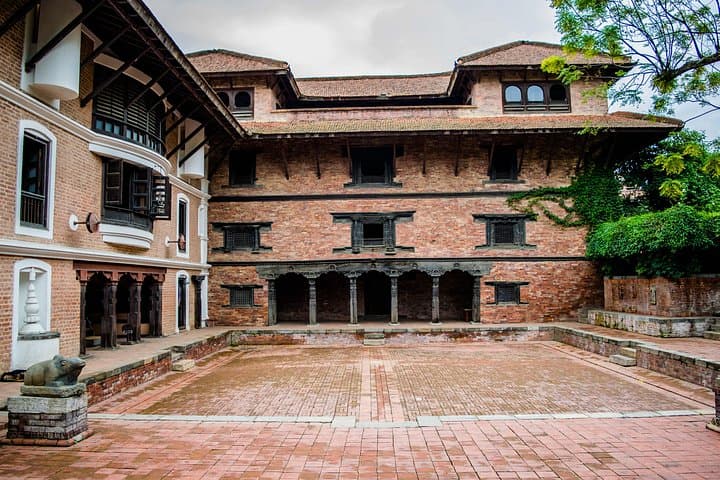
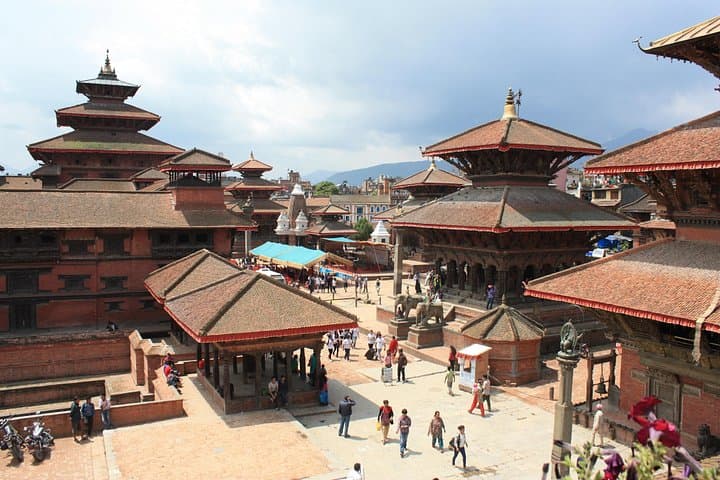
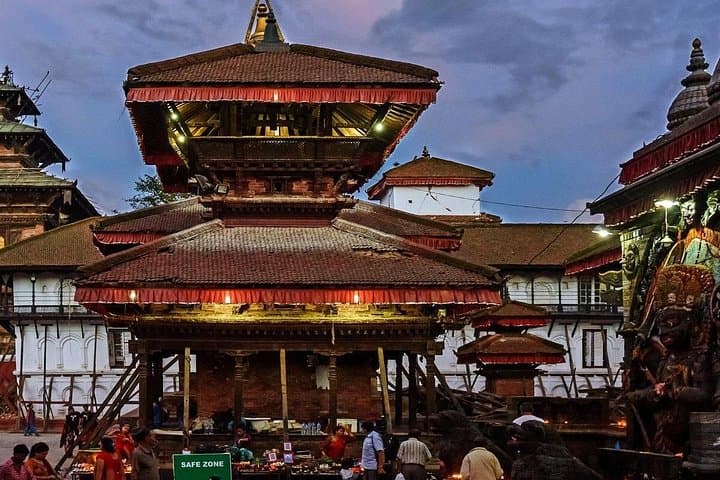
This three‑hour walking tour threads through Thamel’s narrow lanes, the buzzing spice-and-loom market of Asan, and the layered courtyards of Kathmandu Durbar Square. The route places you amid 12th–19th century palaces and temples whose carved windows and tiered roofs still mark the political and religious pulse of the valley.
Geologically the Kathmandu Valley is a sedimentary basin framed by the rising Himalaya; the plaza stones and worn ghats speak to centuries of human settlement on alluvial soil, with the Bagmati River running nearby as a quiet boundary. Culturally you’ll encounter both Hindu and Buddhist practice: prayer flags, incense, and the Kumari—Kathmandu’s living goddess—whose shrine at Kumari Chhen invites a brief, reverent glimpse.
Expect winding alleys, crowded market stalls, shrines tucked behind shops and centuries‑old woodwork that rewards a slow eye. Guides explain iconography, caste and monarchy history, and local conservation efforts since the 2015 earthquakes.
Practical guidance: wear sturdy walking shoes for uneven stone, carry water and small-change for offerings or snacks, and plan mornings for cooler air and fewer crowds. Photography is welcome, but show respect at active shrines and follow your guide’s directions; many temples restrict entry. The tour is low‑impact and accessible to most fitness levels—ideal for travelers who want history, culture, and the tactile energy of old Kathmandu in a focused three‑hour outing.
No; the tour price covers guide service only—any temple entry fees or monuments (when applicable) are typically paid on site.
Guides will position you for a respectful glimpse at Kumari Chhen when available, but direct interaction is limited and subject to shrine rules.
Yes—it's rated easy. Expect uneven stone and some steps; notify the operator about mobility needs so the guide can adapt the pace.
Most tours run in English; check booking details if you need another language or a private guide for translation.
Himalaya Holiday service Pvt. Ltd.(HHS) operates guided outdoor trips and adventures with an emphasis on safety, stewardship, and memorable experiences.
You step off a rickshaw into a courtyard of carved wood and stone where pigeons wheel and the city hums like a living map.
You step off a rickshaw into a courtyard of carved wood and stone where pigeons wheel and the city hums like a living map.
This three‑hour walking tour threads through Thamel’s narrow lanes, the buzzing spice-and-loom market of Asan, and the layered courtyards of Kathmandu Durbar Square. The route places you amid 12th–19th century palaces and temples whose carved windows and tiered roofs still mark the political and religious pulse of the valley.
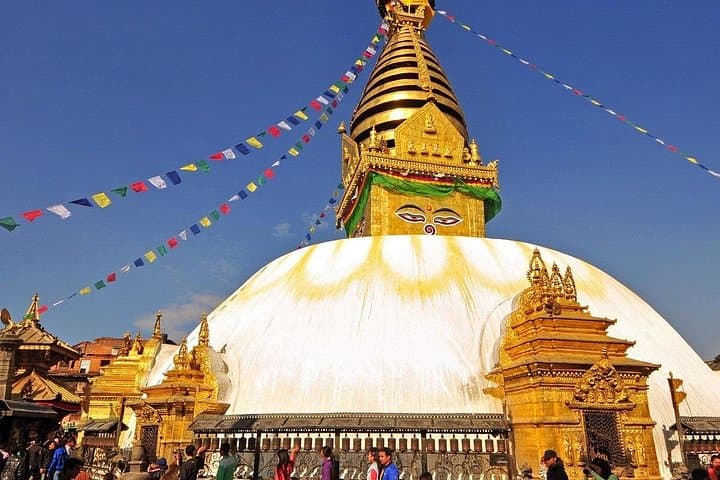
Geologically the Kathmandu Valley is a sedimentary basin framed by the rising Himalaya; the plaza stones and worn ghats speak to centuries of human settlement on alluvial soil, with the Bagmati River running nearby as a quiet boundary. Culturally you’ll encounter both Hindu and Buddhist practice: prayer flags, incense, and the Kumari—Kathmandu’s living goddess—whose shrine at Kumari Chhen invites a brief, reverent glimpse.
Expect winding alleys, crowded market stalls, shrines tucked behind shops and centuries‑old woodwork that rewards a slow eye. Guides explain iconography, caste and monarchy history, and local conservation efforts since the 2015 earthquakes.
Practical guidance: wear sturdy walking shoes for uneven stone, carry water and small-change for offerings or snacks, and plan mornings for cooler air and fewer crowds. Photography is welcome, but show respect at active shrines and follow your guide’s directions; many temples restrict entry. The tour is low‑impact and accessible to most fitness levels—ideal for travelers who want history, culture, and the tactile energy of old Kathmandu in a focused three‑hour outing.