THE ADVENTURE COLLECTIVE® · Independent discovery and booking for outdoor travel

A nine-day loop through Nepal’s cultural heart and wild lowlands: explore Kathmandu’s UNESCO sites, track wildlife in Chitwan, and watch the Annapurnas light up from Pokhara. Practical, scenic, and varied—this itinerary pairs history with hands-on nature experiences.
A nine-day loop through Nepal’s cultural heart and wild lowlands: explore Kathmandu’s UNESCO sites, track wildlife in Chitwan, and watch the Annapurnas light up from Pokhara. Practical, scenic, and varied—this itinerary pairs history with hands-on nature experiences.
Touch down in Kathmandu and the valley unfolds: prayer flags cross the sky, temple roofs gleam, and the city hums under the foothills of the Himalaya. This nine-day circuit threads three distinct landscapes—Kathmandu’s ancient plazas, the lowland jungle of Chitwan, and Pokhara’s lakeside views—soften the distance between history and wild country.
Verified experiences and guided adventures in the surrounding area.
Operated by Attractive Travels and Tours Pvt. Ltd. · Kathmandu, Bagmati Province
Touch down in Kathmandu and the valley unfolds: prayer flags cross the sky, temple roofs gleam, and the city hums under the foothills of the Himalaya. This nine-day circuit threads three distinct landscapes—Kathmandu’s ancient plazas, the lowland jungle of Chitwan, and Pokhara’s lakeside views—soften the distance between history and wild country.
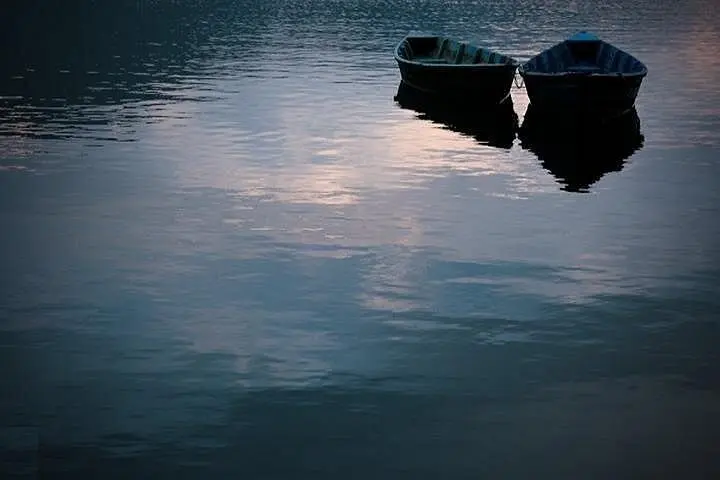
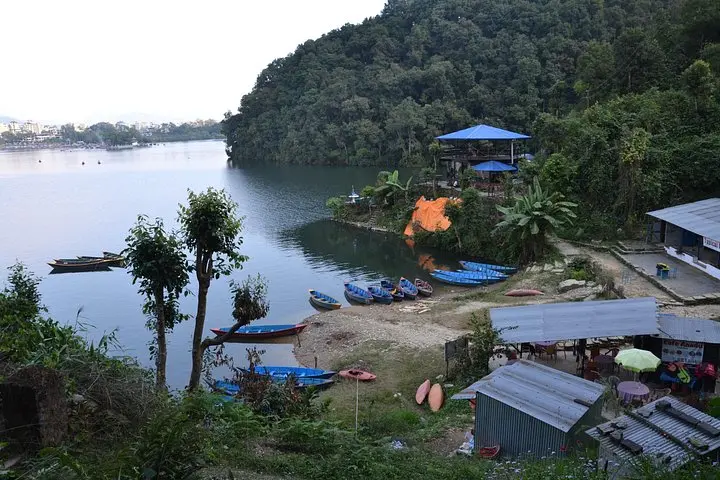
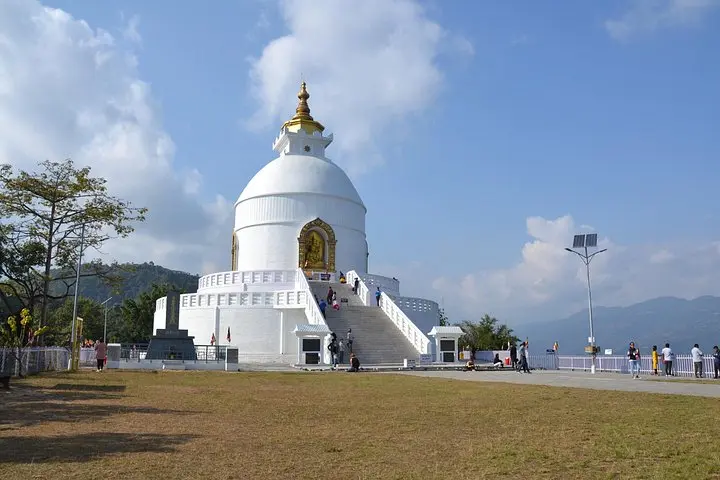
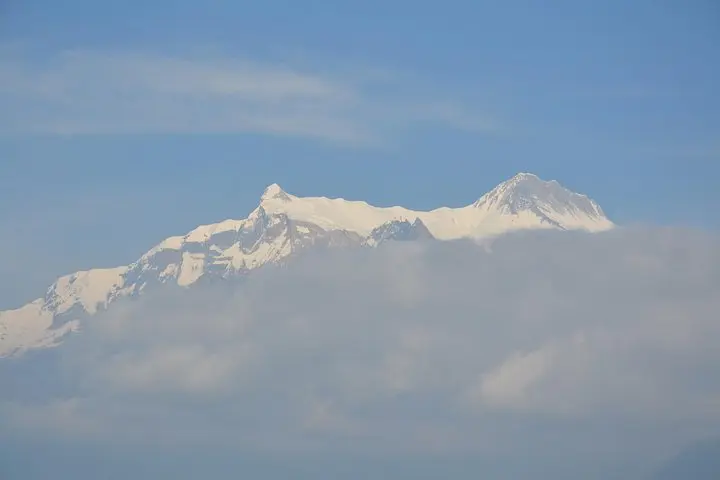
The Kathmandu Valley sits at roughly 1,400 m, its layered history carved by Newar artisans and shaped by tectonic uplift that created the Himalayan backdrop. You’ll move from the UNESCO-listed stupas and palaces—Swayambhunath, Boudhanath, Patan and Bhaktapur—to the Terai plain where Chitwan’s alluvial soil feeds tall sal forests and a network of rivers that dare you to listen for gharial and elephant. In Pokhara, glacial-fed Phewa Lake mirrors the Annapurna massif, a clear geological contrast to the jungle to the south.
Culturally expect a mosaic of Hindu and Buddhist practices, Newari craftsmanship, and regional foods—don’t miss local curd in Bhaktapur and dal bhat between long drives. Timing matters: sunrise at Sarangkot is the clearest window for mountain views; early mornings and late afternoons are best for wildlife sightings in Chitwan.
Practical essentials: drives are long—Kathmandu to Pokhara ~200 km (6–7 hours), Kathmandu to Chitwan ~150 km (4–6 hours)—so bring layers, sun and rain protection, and insect repellent. Elevations are moderate, so altitude sickness is unlikely but hydrate and pace yourself. Guides handle logistics; pack comfortable walking shoes, a small daypack, and local currency for markets and tipping.
Most nationalities require a tourist visa obtained on arrival or online before travel—check current Nepal immigration rules and have passport details ready.
No high-altitude trekking is included; Kathmandu (~1,400 m) and Pokhara (~827 m) are moderate—acute altitude sickness is unlikely but stay hydrated.
Routine vaccines are recommended; also consider hepatitis A, typhoid, and standard travel advice. Carry anti-diarrheal medication and consult a travel clinic for personalized guidance.
Yes—transport is by air-conditioned vehicle and the itinerary notes wheelchair-accessible options, though some temple sites have steps and uneven surfaces.
Attractive Travels and Tours Pvt. Ltd. operates guided outdoor trips and adventures with an emphasis on safety, stewardship, and memorable experiences.
Touch down in Kathmandu and the valley unfolds: prayer flags cross the sky, temple roofs gleam, and the city hums under the foothills of the Himalaya. This nine-day circuit threads three distinct landscapes—Kathmandu’s ancient plazas, the lowland jungle of Chitwan, and Pokhara’s lakeside views—soften the distance between history and wild country.
Touch down in Kathmandu and the valley unfolds: prayer flags cross the sky, temple roofs gleam, and the city hums under the foothills of the Himalaya. This nine-day circuit threads three distinct landscapes—Kathmandu’s ancient plazas, the lowland jungle of Chitwan, and Pokhara’s lakeside views—soften the distance between history and wild country.
The Kathmandu Valley sits at roughly 1,400 m, its layered history carved by Newar artisans and shaped by tectonic uplift that created the Himalayan backdrop. You’ll move from the UNESCO-listed stupas and palaces—Swayambhunath, Boudhanath, Patan and Bhaktapur—to the Terai plain where Chitwan’s alluvial soil feeds tall sal forests and a network of rivers that dare you to listen for gharial and elephant. In Pokhara, glacial-fed Phewa Lake mirrors the Annapurna massif, a clear geological contrast to the jungle to the south.
Culturally expect a mosaic of Hindu and Buddhist practices, Newari craftsmanship, and regional foods—don’t miss local curd in Bhaktapur and dal bhat between long drives. Timing matters: sunrise at Sarangkot is the clearest window for mountain views; early mornings and late afternoons are best for wildlife sightings in Chitwan.
Practical essentials: drives are long—Kathmandu to Pokhara ~200 km (6–7 hours), Kathmandu to Chitwan ~150 km (4–6 hours)—so bring layers, sun and rain protection, and insect repellent. Elevations are moderate, so altitude sickness is unlikely but hydrate and pace yourself. Guides handle logistics; pack comfortable walking shoes, a small daypack, and local currency for markets and tipping.