THE ADVENTURE COLLECTIVE® · Independent discovery and booking for outdoor travel

Ride a cycle rickshaw through Thamel’s crowded lanes and end at the UNESCO-listed Durbar Square. This 2–4 hour guided outing pairs local markets, temple courtyards, and close-up city life with practical stops and a professional guide.
Ride a cycle rickshaw through Thamel’s crowded lanes and end at the UNESCO-listed Durbar Square. This 2–4 hour guided outing pairs local markets, temple courtyards, and close-up city life with practical stops and a professional guide.
You feel the city before you see it: horns, bargaining voices, a swirl of saffron and incense that clings to the air as your cycle rickshaw threads between vendors and tempo buses. The narrow lanes of Thamel open and close like theatre curtains — markets spilling onto sidewalks, street-food stalls frying momos, and guidebook maps folding under the ribs of ancient alleys.
Verified experiences and guided adventures in the surrounding area.
Operated by Himalayan Recreation Treks & Expedition Pvt.Ltd · Kathmandu, Bagmati Province
You feel the city before you see it: horns, bargaining voices, a swirl of saffron and incense that clings to the air as your cycle rickshaw threads between vendors and tempo buses. The narrow lanes of Thamel open and close like theatre curtains — markets spilling onto sidewalks, street-food stalls frying momos, and guidebook maps folding under the ribs of ancient alleys.
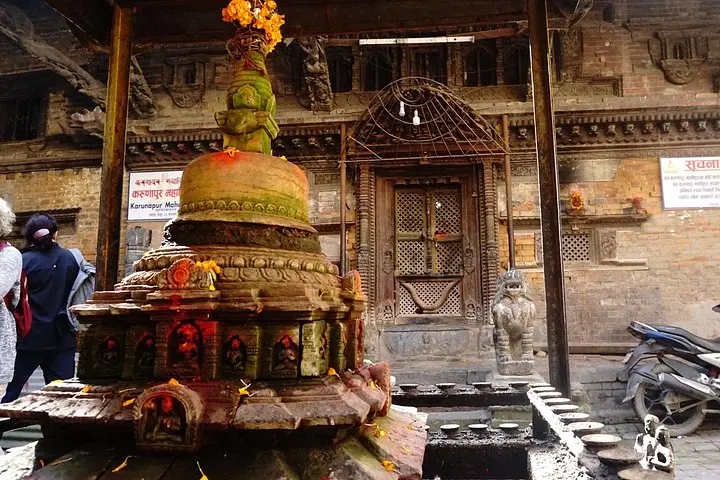
This 2–4 hour tour moves at human pace through Thamel and Ason markets and ends at Kathmandu Durbar Square, the old royal plaza and UNESCO World Heritage site where carved wooden windows and centuries-old palaces recall the Kathmandu Valley’s Newar craftsmanship and medieval courts. Geologically the valley sits at roughly 1,350–1,450 m elevation, shaped by river terraces that fed the city’s trade routes; culturally, the route threads living temples, incense offerings, and bazaar culture that’s remained essential to Kathmandu’s rhythm.
Expect frequent stops: short walks through alleys, a guided look at merchant stalls, and at least one extended pause in Durbar Square to study stone sculptures and courtyard layouts. Hotel pickup and a professional guide are usually included, bottled water is provided, and light traffic can make some stretches slow but revealing.
Practical tips: travel in the cooler morning or late afternoon to avoid midday chaos; keep small cash for purchases and temple donations; wear closed-toe shoes for cobbled courtyards and be ready to step off curbs quickly as traffic flows unpredictably. Respect photography rules at temples, tip your driver, and carry a light layer—the valley’s shade can feel brisk as the sun drops.
Typical duration is 2–4 hours depending on traffic and the pace you choose with your guide.
Yes—this is a gentle, low-impact activity with short walks; infants should sit on a lap as required.
The tour description notes access and stops but park entrance fees vary—confirm with the operator whether any admission is covered.
Guides are commonly English-speaking; confirm language preferences at booking if you need another language.
Himalayan Recreation Treks & Expedition Pvt.Ltd operates guided outdoor trips and adventures with an emphasis on safety, stewardship, and memorable experiences.
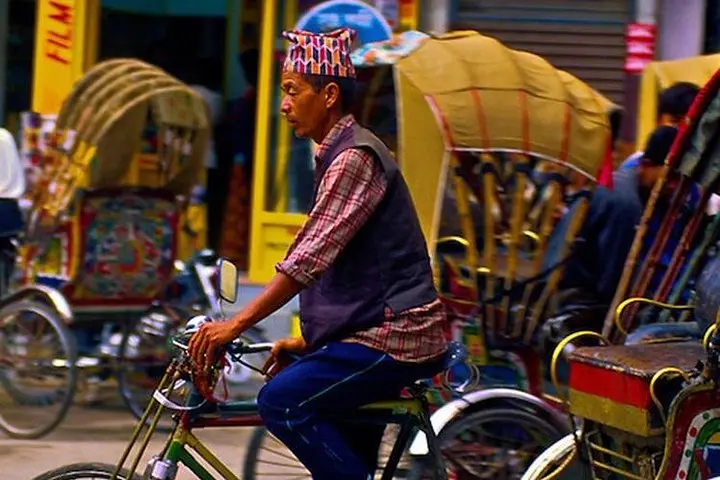
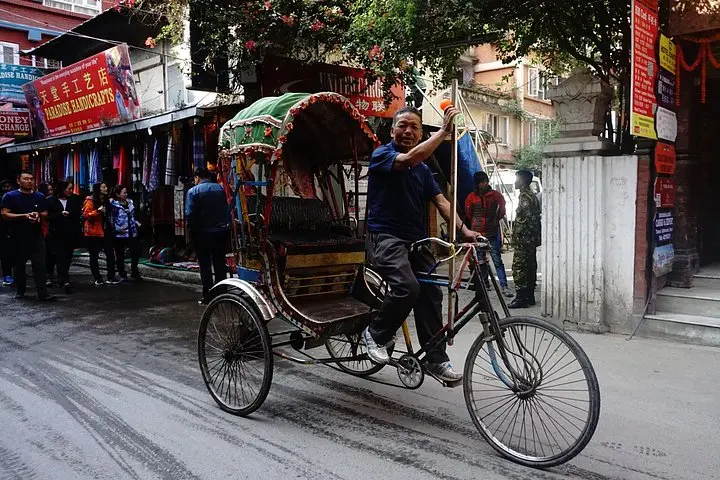
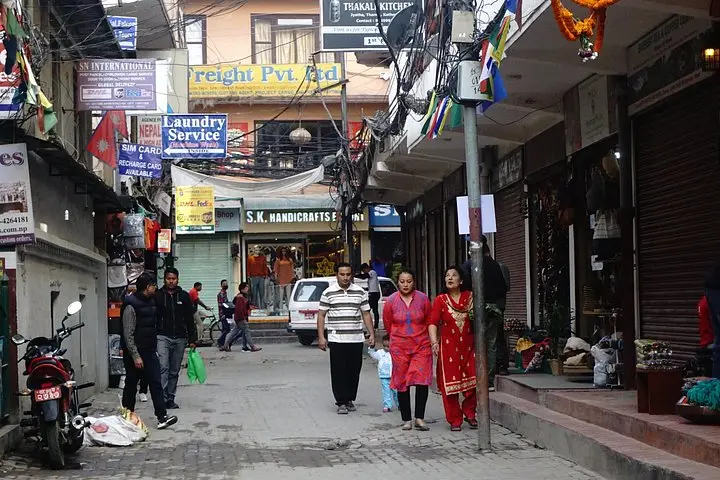
You feel the city before you see it: horns, bargaining voices, a swirl of saffron and incense that clings to the air as your cycle rickshaw threads between vendors and tempo buses. The narrow lanes of Thamel open and close like theatre curtains — markets spilling onto sidewalks, street-food stalls frying momos, and guidebook maps folding under the ribs of ancient alleys.
You feel the city before you see it: horns, bargaining voices, a swirl of saffron and incense that clings to the air as your cycle rickshaw threads between vendors and tempo buses. The narrow lanes of Thamel open and close like theatre curtains — markets spilling onto sidewalks, street-food stalls frying momos, and guidebook maps folding under the ribs of ancient alleys.
This 2–4 hour tour moves at human pace through Thamel and Ason markets and ends at Kathmandu Durbar Square, the old royal plaza and UNESCO World Heritage site where carved wooden windows and centuries-old palaces recall the Kathmandu Valley’s Newar craftsmanship and medieval courts. Geologically the valley sits at roughly 1,350–1,450 m elevation, shaped by river terraces that fed the city’s trade routes; culturally, the route threads living temples, incense offerings, and bazaar culture that’s remained essential to Kathmandu’s rhythm.
Expect frequent stops: short walks through alleys, a guided look at merchant stalls, and at least one extended pause in Durbar Square to study stone sculptures and courtyard layouts. Hotel pickup and a professional guide are usually included, bottled water is provided, and light traffic can make some stretches slow but revealing.
Practical tips: travel in the cooler morning or late afternoon to avoid midday chaos; keep small cash for purchases and temple donations; wear closed-toe shoes for cobbled courtyards and be ready to step off curbs quickly as traffic flows unpredictably. Respect photography rules at temples, tip your driver, and carry a light layer—the valley’s shade can feel brisk as the sun drops.