THE ADVENTURE COLLECTIVE® · Independent discovery and booking for outdoor travel

Explore Kathmandu’s living heritage on a single-day loop through Durbar Square, Pashupatinath, Swayambhunath and Boudhanath. This guided tour blends history, ritual and urban viewpoints with practical tips for respectful visiting.
Explore Kathmandu’s living heritage on a single-day loop through Durbar Square, Pashupatinath, Swayambhunath and Boudhanath. This guided tour blends history, ritual and urban viewpoints with practical tips for respectful visiting.
Dawn in Kathmandu arrives like a low drum: prayer flags tremble on ridgelines while the city exhales smoke and incense. On a full-day sightseeing tour, travelers thread through narrow alleys and broad plazas, stepping down from an air-conditioned vehicle into places where gods, kings and everyday life convene.
Verified experiences and guided adventures in the surrounding area.
Operated by Base Camp Adventure Pvt. Ltd. · Kathmandu, Bagmati Province
Dawn in Kathmandu arrives like a low drum: prayer flags tremble on ridgelines while the city exhales smoke and incense. On a full-day sightseeing tour, travelers thread through narrow alleys and broad plazas, stepping down from an air-conditioned vehicle into places where gods, kings and everyday life convene.
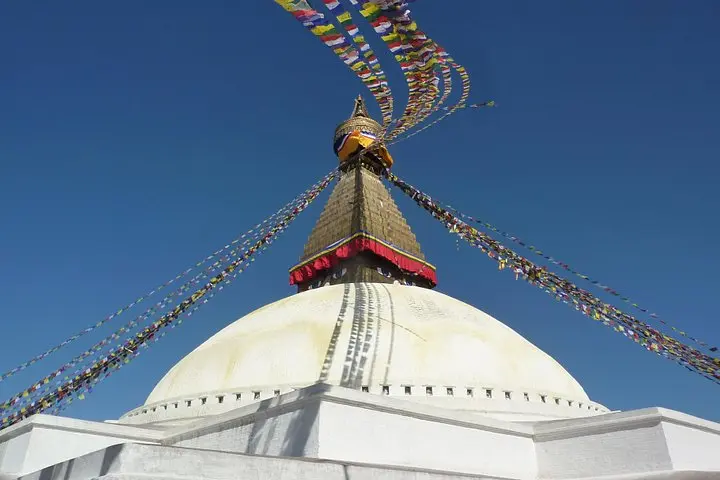
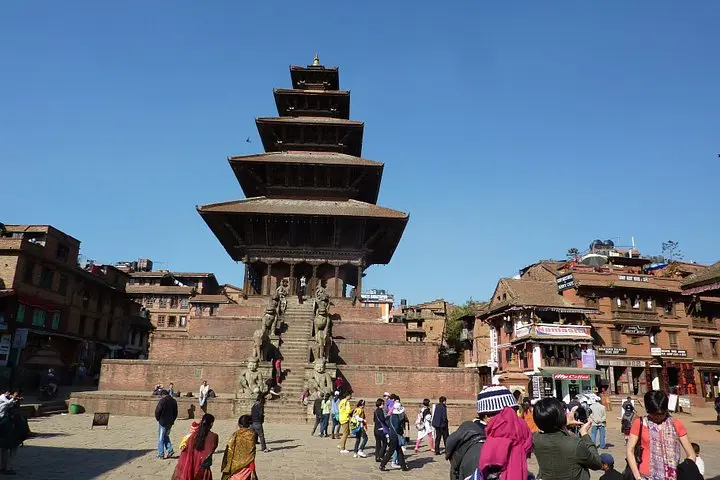
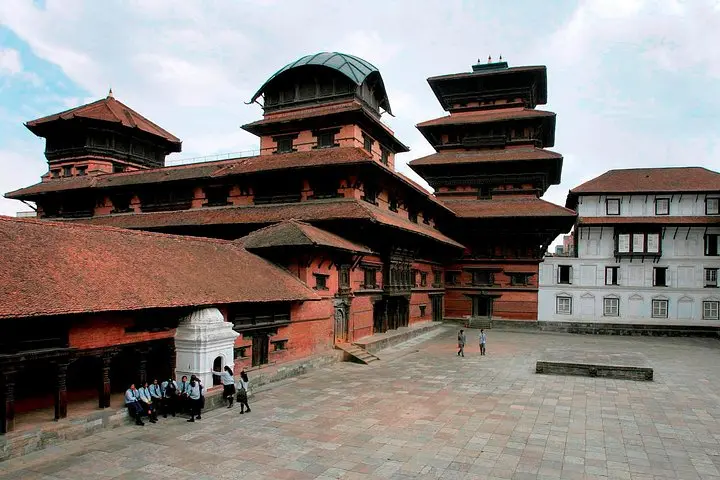
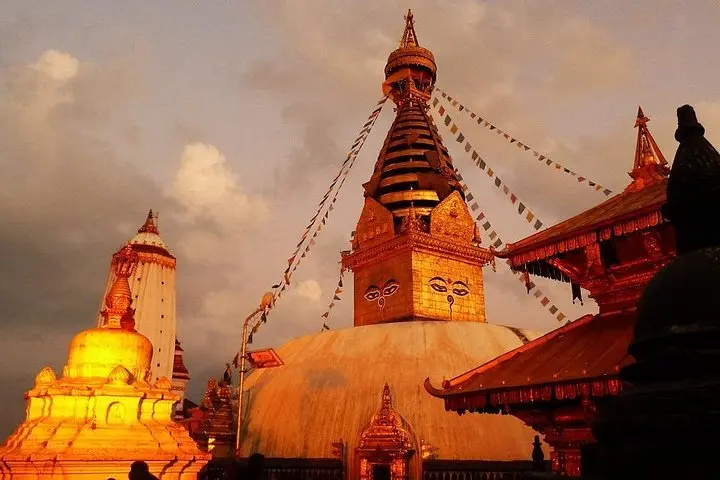
The route is compact but dense with history. Kathmandu Durbar Square, the medieval royal palace complex built from the 12th century onward, presents carved wood and the Kumari’s courtyard; Pashupatinath sits along the Bagmati River, a living Hindu cremation ghat where rituals continue and the river seems to carry prayers downstream; Swayambhunath perches above the valley with alert rhesus macaques and panoramic views; Boudhanath’s vast stupa turns slow circles of devotion beneath Tibetan chortens. Geology here is Himalayan foothills—soft, terraced slopes and a basin that concentrates centuries of human settlement.
Practical guidance: expect 7–9 hours on tour with multiple short walks, stairs at hilltop shrines, and periods of standing. Dress modestly—shoulders and knees covered at religious sites—and carry small bills for donations, tea stops, and photo permissions. Shoes are removed in some temples; a lightweight daypack holds water, sunscreen, and a compact scarf for sudden incense or formalities. The busiest hours are late morning; start earlier to avoid heat and crowds. Guides explain protocols at cremation ghats and quiet behaviors near shrines—observe, photograph respectfully, and follow your guide’s cues. This tour is cultural first, active second: it rewards curiosity, steady walking, and an openness to rituals that still shape Kathmandu’s daily rhythm.
This tour generally does not include site admissions—bring cash for any required fees, or check booking details for inclusions.
Photography is allowed at most exteriors; inside some shrines and at cremation areas it’s restricted—always ask your guide first.
Yes—tour notes list it as easy; however some stairs and active crowds may be challenging for limited-mobility guests.
Most bookings include hotel pickup and drop-off within central Kathmandu—confirm your pickup point when reserving.
Base Camp Adventure Pvt. Ltd. operates guided outdoor trips and adventures with an emphasis on safety, stewardship, and memorable experiences.
Dawn in Kathmandu arrives like a low drum: prayer flags tremble on ridgelines while the city exhales smoke and incense. On a full-day sightseeing tour, travelers thread through narrow alleys and broad plazas, stepping down from an air-conditioned vehicle into places where gods, kings and everyday life convene.
Dawn in Kathmandu arrives like a low drum: prayer flags tremble on ridgelines while the city exhales smoke and incense. On a full-day sightseeing tour, travelers thread through narrow alleys and broad plazas, stepping down from an air-conditioned vehicle into places where gods, kings and everyday life convene.
The route is compact but dense with history. Kathmandu Durbar Square, the medieval royal palace complex built from the 12th century onward, presents carved wood and the Kumari’s courtyard; Pashupatinath sits along the Bagmati River, a living Hindu cremation ghat where rituals continue and the river seems to carry prayers downstream; Swayambhunath perches above the valley with alert rhesus macaques and panoramic views; Boudhanath’s vast stupa turns slow circles of devotion beneath Tibetan chortens. Geology here is Himalayan foothills—soft, terraced slopes and a basin that concentrates centuries of human settlement.
Practical guidance: expect 7–9 hours on tour with multiple short walks, stairs at hilltop shrines, and periods of standing. Dress modestly—shoulders and knees covered at religious sites—and carry small bills for donations, tea stops, and photo permissions. Shoes are removed in some temples; a lightweight daypack holds water, sunscreen, and a compact scarf for sudden incense or formalities. The busiest hours are late morning; start earlier to avoid heat and crowds. Guides explain protocols at cremation ghats and quiet behaviors near shrines—observe, photograph respectfully, and follow your guide’s cues. This tour is cultural first, active second: it rewards curiosity, steady walking, and an openness to rituals that still shape Kathmandu’s daily rhythm.