THE ADVENTURE COLLECTIVE® · Independent discovery and booking for outdoor travel

A three-day circuit from Kathmandu to Chisapani and Nagarkot trades city noise for pine-scented ridgelines and sunrise views over the high Himalaya. Expect full-day hikes over stone steps and village lanes, Tamang culture, and high-ridge vistas best seen at dawn.
A three-day circuit from Kathmandu to Chisapani and Nagarkot trades city noise for pine-scented ridgelines and sunrise views over the high Himalaya. Expect full-day hikes over stone steps and village lanes, Tamang culture, and high-ridge vistas best seen at dawn.
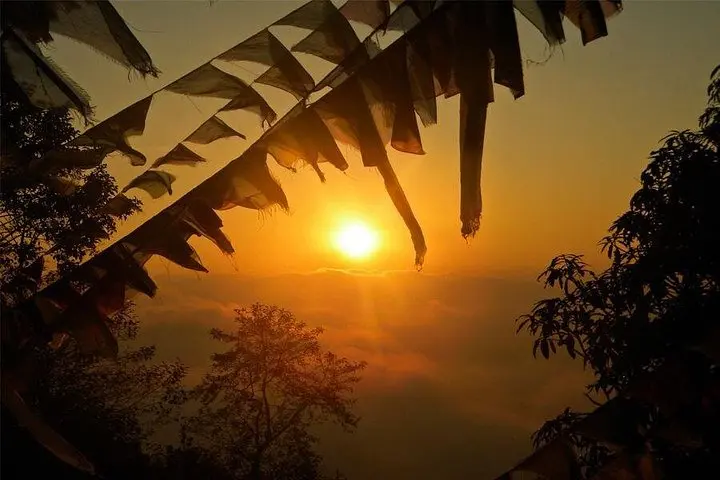
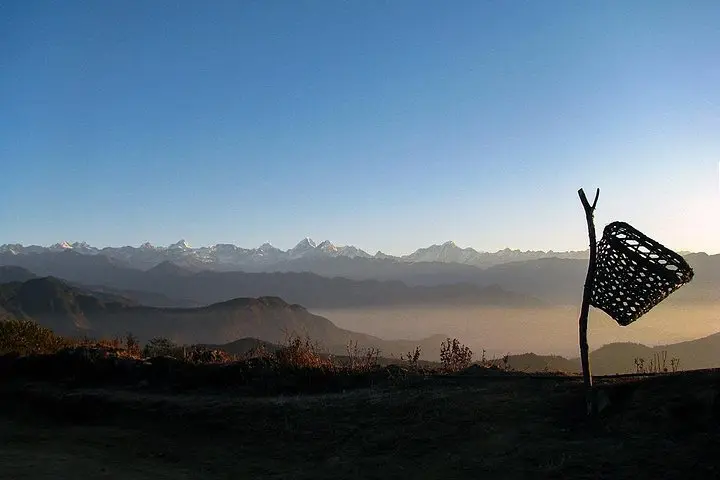
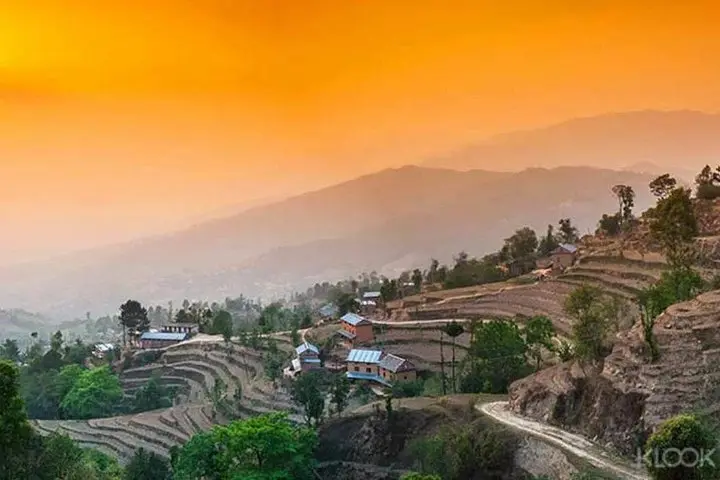
On a cool pre-dawn, you leave Kathmandu's river of horns and prayer flags behind, trading traffic for the narrow ribbon of road that climbs toward Sundarijal. The city fades, replaced by pine-scented air and the tight chatter of birds. By midmorning the trail begins to steepen—stone steps and packed-earth switchbacks that pull you through oak groves and terraced farms. At Chisapani, the ridgeline opens and the mountains become literal: Annapurna, Manaslu and the ragged line of eastern Himalaya push into the sky, demanding a long, clear look.
Verified experiences and guided adventures in the surrounding area.
Operated by Nepal Social Treks and Expedition · Kathmandu, Bagmati Province
On a cool pre-dawn, you leave Kathmandu's river of horns and prayer flags behind, trading traffic for the narrow ribbon of road that climbs toward Sundarijal. The city fades, replaced by pine-scented air and the tight chatter of birds. By midmorning the trail begins to steepen—stone steps and packed-earth switchbacks that pull you through oak groves and terraced farms. At Chisapani, the ridgeline opens and the mountains become literal: Annapurna, Manaslu and the ragged line of eastern Himalaya push into the sky, demanding a long, clear look.
This three-day trek threads natural history and human history across the northern rim of the Kathmandu Valley. Geologically the route sits on uplifted Himalayan foothills of metamorphic gneiss and schist; erosion has carved steep valleys, leaving bench terraces where villages cling. Culturally the trail runs through Tamang villages whose Tibetan-influenced architecture and salt-of-the-earth hospitality feel unchanged by tourism. The itinerary includes Bhaktapur, whose medieval squares and brickwork recall the valley’s importance as a trade and artisan hub long before modern Kathmandu expanded.
You’ll hike from Sundarijal (about 1,305 m) up to Chisapani—roughly 2,200–2,300 m—so expect 900–1,000 m of elevation gain on day one over 10–14 km of mixed trail. Terrain varies: stone staircases, mud-packed singletrack, and occasional paved village lanes. Day two traces sharper ridgelines toward Nagarkot (around 2,175 m) where an early wake-up rewards you with a Himalayan panorama at sunrise and a vantage that stretches across the whole valley.
Practical details are simple but matter: the trek is guided and includes TIMS permits and a porter for every two guests, soft beds in guesthouses, and three breakfasts. Weather shifts fast—mornings can be bone-chilly, afternoons pleasantly warm, and evenings damp with cloud. Footwear with good grip, a waterproof layer, and slow, steady pacing will make the difference between a tiring slog and a memorable climb.
On the cultural side, take time in Tamang settlements to ask about local weaving and seasonal crops; conversation and a cup of milk tea offer far more insight than a hurried snapshot. Keep waste with you; local water points are limited and the region relies on responsible visitors.
For planners: allow 30–60 minutes for hotel pick-up in Kathmandu, carry photocopies of passport details (required for travel), and schedule the trek outside monsoon months if you want uninterrupted mountain visibility. Move deliberately, listen to the forest and wind—this is a short trek, but one that rewards patience with wide, uncompromising Himalayan views.
Yes—a professional guide and porter (one porter per two people) are included in the trip package.
TIMS and other conservation permits are included in the booking; carry ID and passport copy while trekking.
Moderate fitness is sufficient; you should be comfortable hiking 4–6 hours with steady uphill walking and some stair climbs.
Altitudes here peak around 2,200–2,300 m—rarely causing severe AMS, but hydrate, avoid overexertion, and report symptoms to your guide immediately.
Night one is a guesthouse in Chisapani; night two is a 3-star hotel near Nagarkot—basic, clean twin-share rooms with hot meals included.
Autumn (Sept–Nov) and spring (Mar–May) offer the clearest mountain views and comfortable trekking temperatures.
Nepal Social Treks and Expedition operates guided outdoor trips and adventures with an emphasis on safety, stewardship, and memorable experiences.
On a cool pre-dawn, you leave Kathmandu's river of horns and prayer flags behind, trading traffic for the narrow ribbon of road that climbs toward Sundarijal. The city fades, replaced by pine-scented air and the tight chatter of birds. By midmorning the trail begins to steepen—stone steps and packed-earth switchbacks that pull you through oak groves and terraced farms. At Chisapani, the ridgeline opens and the mountains become literal: Annapurna, Manaslu and the ragged line of eastern Himalaya push into the sky, demanding a long, clear look.
On a cool pre-dawn, you leave Kathmandu's river of horns and prayer flags behind, trading traffic for the narrow ribbon of road that climbs toward Sundarijal. The city fades, replaced by pine-scented air and the tight chatter of birds. By midmorning the trail begins to steepen—stone steps and packed-earth switchbacks that pull you through oak groves and terraced farms. At Chisapani, the ridgeline opens and the mountains become literal: Annapurna, Manaslu and the ragged line of eastern Himalaya push into the sky, demanding a long, clear look.
This three-day trek threads natural history and human history across the northern rim of the Kathmandu Valley. Geologically the route sits on uplifted Himalayan foothills of metamorphic gneiss and schist; erosion has carved steep valleys, leaving bench terraces where villages cling. Culturally the trail runs through Tamang villages whose Tibetan-influenced architecture and salt-of-the-earth hospitality feel unchanged by tourism. The itinerary includes Bhaktapur, whose medieval squares and brickwork recall the valley’s importance as a trade and artisan hub long before modern Kathmandu expanded.
You’ll hike from Sundarijal (about 1,305 m) up to Chisapani—roughly 2,200–2,300 m—so expect 900–1,000 m of elevation gain on day one over 10–14 km of mixed trail. Terrain varies: stone staircases, mud-packed singletrack, and occasional paved village lanes. Day two traces sharper ridgelines toward Nagarkot (around 2,175 m) where an early wake-up rewards you with a Himalayan panorama at sunrise and a vantage that stretches across the whole valley.
Practical details are simple but matter: the trek is guided and includes TIMS permits and a porter for every two guests, soft beds in guesthouses, and three breakfasts. Weather shifts fast—mornings can be bone-chilly, afternoons pleasantly warm, and evenings damp with cloud. Footwear with good grip, a waterproof layer, and slow, steady pacing will make the difference between a tiring slog and a memorable climb.
On the cultural side, take time in Tamang settlements to ask about local weaving and seasonal crops; conversation and a cup of milk tea offer far more insight than a hurried snapshot. Keep waste with you; local water points are limited and the region relies on responsible visitors.
For planners: allow 30–60 minutes for hotel pick-up in Kathmandu, carry photocopies of passport details (required for travel), and schedule the trek outside monsoon months if you want uninterrupted mountain visibility. Move deliberately, listen to the forest and wind—this is a short trek, but one that rewards patience with wide, uncompromising Himalayan views.